
Costa Rica Ecolodges
Costa Rica Map
Costa Rica Ecolodges offer visitors lush rainforests, volcanic landscapes, and incredible biodiversity. Visitors can enjoy both the Pacific Ocean and the Caribbean Sea in the same country. Costa Rica officially designated the sloth as their national wildlife symbol. All of our Costa Rica Ecolodges and Resorts offer something unique. Find your favorite lodge below:
Costa Rica Ecolodges And Resorts


Costa Rica Ecotourism
Costa Rica has a population of 5.2 million people (2025 est.) but is one of the smaller countries in Central America. The country is often called the Green Heart of Central America. It is also a pioneer in ecotourism and sustainable travel. With over a quarter of its land protected in national parks and reserves, it offers travelers rainforest hikes, wildlife encounters, volcano views, and pristine beaches. The country is a natural paradise with thrilling adventures. The experiences include ziplining, wildlife observation, and hiking. Costa Rica Ecolodges and resorts can include off the grid rustic accommodations to five star luxury lodges.
Top Destinations Costa Rica
Monteverde Cloud Forest
The reserve is a unique ecosystem with misty cloud forests, orchids and hummingbirds.
Activities:
• Visit the Santa Elena and Monteverde Cloud Forest Reserve – managed by local communities.
• Walk on suspension bridges,
• Go on night hikes and canopy tours.
• Take a birdwatching tour or a coffee tour.
Best time to visit: December – April
Tortuguero National Park
This park is a vast network of canals and rainforest in the northeast of the country, one of the most important and famous nesting areas for sea turtles.
Activities:
• Go kayaking through jungle waterways.
• Book a turtle nesting tour (July-October).
• Take a birdwatching tour.
• Check out Canoe trips through the jungle.
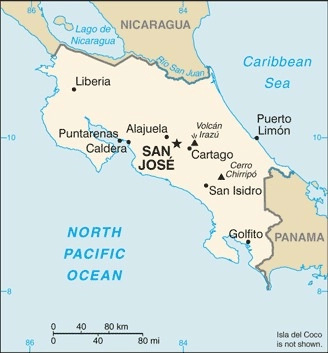 Costa Rica Map
Arenal Volcano and La Fortuna
A Majestic active volcano surrounded by rainforest.
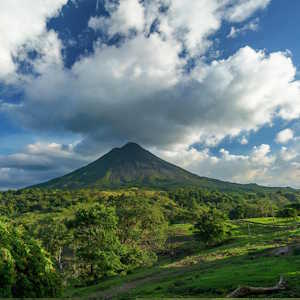
Arenal Volcano and La Fortuna form one of Costa Rica’s most classic destinations. Towering over lush rainforest, the perfectly shaped Arenal Volcano offers hiking trails, hanging bridges, and breathtaking views.
Nearby, La Fortuna is a lively town known for its natural hot springs, waterfalls, and adventure tours. Together, they blend relaxation, wildlife, and adrenaline-an unforgettable experience in the heart of Costa Rica’s nature.
Corcovado National Park and The Osa Peninsula
This park is located in the southern part of the country. This primary rainforest in Central America’s Pacific coastline is a quiet, remote place. Here you will find pure nature – undiscovered and unspoiled. According to the National Geographic, it is “One of the most biologically intense places on Earth”.
Activities
• Jungle trekking, wildlife watching, and sustainable community tours.
• Whale and dolphin spotting in the Gulf of Dulce, and snorkeling.
Cahuita and Puerto Viejo
Cahuita is a Caribbean paradise with coral reefs, mangroves, sloths and jungle trails. Visit the Caribbean Coast to get some Afro-Caribbean vibes and for snorkeling.
Activities
• Visit indigenous Bribri communities.
• Go on a jungle hike.
• Visit Puerto Viejo to get a glimpse of authentic Caribbean culture.
• See manatees and colorful birds at the Gandoca-Manzanillo Wildlife Refuge.
Check out our Eco Guidelines and read how easy it is to reduce your ecological footprint!
Suggestions for a 2 week Sustainable Itinerary in Costa Rica
Week 1 – Rainforest and Volcanoes
- Day 1-2: Arrive in San José, explore local markets.
- Day 3-4: Arenal Volcano (hiking, hot springs, wildlife).
- Day 5-6: Monteverde Cloud Forest (hanging bridges, night tours).
- Day 7: Pacuare River (white-water rafting to an eco-lodge).
Week 2 – Coastlines and Marine Life
- Day 8-9: Tortuguero (canals, sea turtles, kayaking).
Day 10: Fly from Tortuguero to San José, then take another flight to Drake Bay or Puerto Jiménez.
Day 11: Osa Peninsula (Corcovado jungle adventures).
Day 12-13: Manuel Antonio (beaches, snorkeling, monkeys).
Day 14: departure from San José.
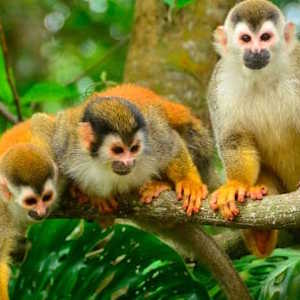
 Spider Monkeys
- Arenal Volcano
Flora and Fauna
Costa Rica has more than 500,000 species of animals and plants and is one of the most biodiverse countries in the world.
Flora – what grows in Costa Rica?
• Giant ceiba and kapok trees: towering trees found in rainforests, often considered sacred.
• Orchids: over 1,400 species, making Costa Rica one of the top orchid hotspots.
• Mangroves: crucial for coastal ecosystems, supporting fish and bird life. Costa Rica has three native species: Red, Black, and White mangrove.
• Beach and Dune Plants: Sea grape, Beach morning glory, and Coconut palms.
• Chocolate and Coffee Plants:
grown sustainably, especially in Monteverde and the Central Valley.
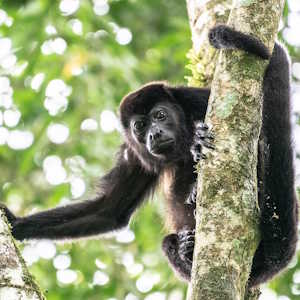 Howler Monkey
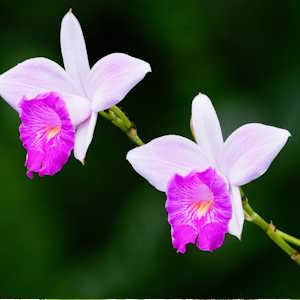 Orchids
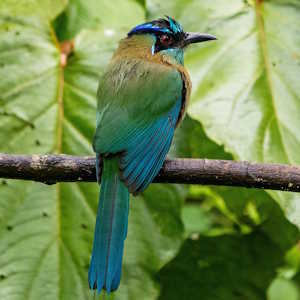 Mammot bird
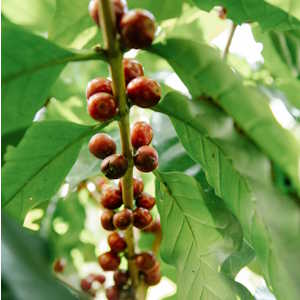 Coffee Beans
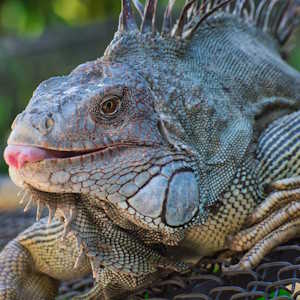 Iguana
 Orchid
Fauna – what animals will you encounter in Costa Rica?
• Mammals: sloths, jaguars, tapirs, anteaters, monkeys (howler monkeys, capuchin monkeys, spider monkeys, squirrel monkeys, Cebidae, and Titi monkeys).
• Reptiles and Amphibians: poison dart frogs, green iguanas, caimans, and basilisk lizards, nicknamed the Jesus Christ lizards.
• Birds: quetzals, scarlet macaws, toucans, hummingbirds and over 900 other species.
• Marine Life: green and leatherback sea turtles, bottlenose dolphins, manta rays, humpback whales, hammerhead and bull sharks, and vibrant reef fish like angelfish and parrotfish.
Small-Scale Nature Conservation Projects
Costa Rica has the slogan “Pura Vida” (pure life) . Not only a lifestyle, but also a respectful way to travel. Let’s go!
Monteverde Cloud Forest Conservation
Programs to preserve the cloud forest and its biodiversity.
Corcovado Foundation
Forest protection and sustainable tourism in the Osa Peninsula.
Reef Conservation Costa Rica
Research and restoration of coral reefs along the Pacific coast..
Projecto Asis La Fortuna
Rescue center in la Fortuna for wildlife such as sloths & toucans.
Environmental Challenges in Costa Rica
Despite Costa Rica’s status as a global leader in sustainability, the country faces several environmental challenges:
- Climate change and biodiversity loss
Rising temperatures and changing rainfall patterns are affecting fragile ecosystems.
Threats to coral reefs due to warming and acidification of the oceans. - Deforestation and habitat loss
Illegal logging and agricultural expansion (especially palm oil and pineapple plantations) threaten rainforests. Ecosystem fragmentation due to infrastructure development. - Illegal hunting and fishing
Endangered species such as sea turtles and jaguars are still being hunted illegally.
Overfishing and destructive fishing methods are affecting marine biodiversity. - Tourism-related impacts
Over tourism in popular areas such as Monteverde and Manuel Antonio is causing pollution and pressure on ecosystems.
Increased waste production and water consumption in tourist hotspots.
Costa Rican Government Policy on Ecotourism and Sustainability
Costa Rica has one of the most progressive sustainability programs in the world:
- They Use Almost 100% renewable energy – the country runs largely on hydroelectric, wind and solar energy.
- Protection of natural areas – more than 25% of the country is protected, with strict legislation for national parks and reserves.
- Ecotourism as a core strategy – strict guidelines for sustainable lodges and eco-certified accommodations.
- National Carbon Neutrality Program – Costa Rica is committed to becoming completely carbon neutral.
- Strong Environmental Laws and Enforcement – illegal deforestation and poaching are actively combated.
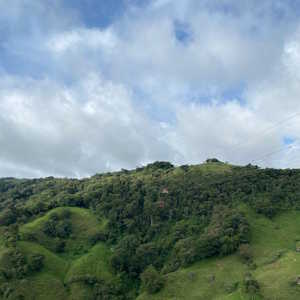 Monteverde Cloud forest
Costa Rica Ecolodges and Travel Safety
Check in advance about the safety in Costa Rica and in the places you plan to visit. You can also consult your country’s official government websites. For American citizens, this is the US Dept. of State’s page on Costa Rica.