
Dominican Republic Eco Lodges
Escape to paradise at Dominican Republic Eco Lodges. These lodges sit in jungles, mountains, and near pristine beaches. Each stay offers unforgettable experiences in harmony with nature. Adventure seekers and relaxation lovers both feel at home here. Scroll down to discover the best eco-friendly retreats. Start planning your Holiday today.
Dominican Republic Eco Lodges and Resorts

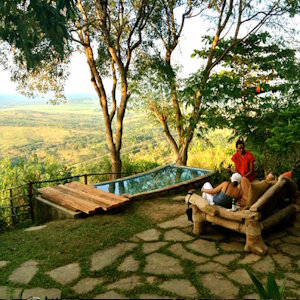
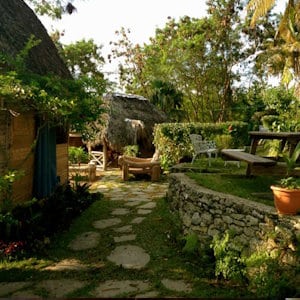
Ecotourism in the Dominican Republic (DR)
The Dominican Republic is famous for beaches and resorts. However, it also holds remarkable biodiversity. Visitors can explore 19 national parks. The country also protects forest reserves, natural monuments, and wildlife refuges. About twenty-five percent of the land and coastline is protected. Conservation plays an important national role.
The Dominican Republic created a Marine Mammal Sanctuary for Humpback Whales in 1962. Thousands of whales migrate here yearly. They seek warm waters along the northern coast. Up to 5,000 whales visit each season.
Tips for Sustainable travel in the Dominican Republic
Choose the greenest options
Guagua’s (minivans) and Caribe Tour buses are the most sustainable option.
Where to stay – sleep in one of the Dominican Republic Eco Lodges.
Activities – support conservation by going to Los Haitises and Jaragua National Parks. Visit Lago Enriquillo, the largest lake in the Caribbean.
Want to explore the Dominican Republic with a small ecological footprint? Check out more than 40 sustainable travel tips!
Best Ecotourism Destinations in the Dominican Republic
The 27 Waterfalls of Damajagua
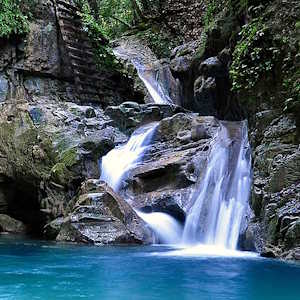
A must see! Visitors can see a series of waterfalls that can be as high as forty-three feet. Each of the falls includes a rock pool at the bottom.
Los Haitises National Park
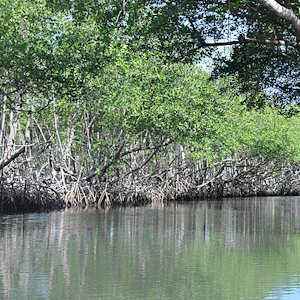
Mangroves, caves with Taíno petroglyphs (created by the indigenous Taino people), and a rich biodiversity.
Bahía de Samaná
One of the best places in the world to spot humpback whales (January-March).
Jaragua National Park
The largest national park in the Dominican Republic, with flamingos and turtles on Playa Bahía de las Águilas.
Lago Enriquillo
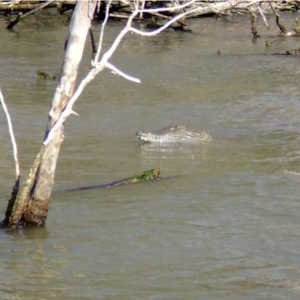
The largest salt lake in the Caribbean, with crocodiles and iguanas.
Pico Duarte
The highest mountain in the Caribbean, perfect for adventurous eco-hikes.
Sierra de Bahoruco National Park
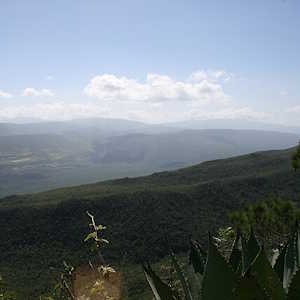
Rainforest, cloud forest and unique birds such as the Hispaniolan trogon.
Isla Saona and Isla Catalina
Protected islands with pristine beaches and coral reefs.
Ebano Verde Scientific Reserve
(Site is in Spanish but I was able to right click my mouse and choose English)
Unique cloud forest with endemic flora and crystal clear rivers. The website is in Spanish but I was able to right click my mouse and choose to translate to English.
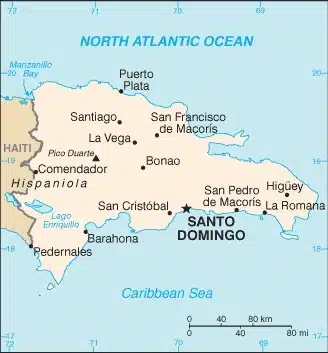 Dominican Republic Map
El Limón Waterfall
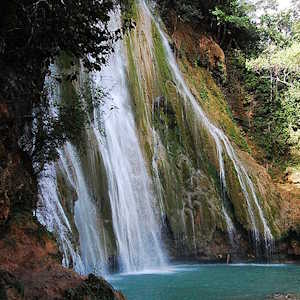
Beautiful waterfall in a lush rainforest, accessible by foot or horseback.
Ojos Indígenas Ecological Park
Private nature reserve with hiking trails and natural lagoons.
Suggestions for a 2 week Sustainable Itinerary in the Dominican Republic
Week 1 – Northeast – Rainforests, Whales and Waterfalls
Day 1-3: Samaná Peninsula (near airport)
• Whale watching (January-March) or snorkeling in Cayo Levantado.
• Hike to El Limón Waterfall.
• Stay in one of the Dominican Republic Eco Lodges.
Day 4-5: Los Haitises National Park
• Boat tours through mangroves and caves.
• Spot birds like frigate birds and pelicans.
• Overnight stay at one of the Dominican Republic Eco Lodges.
Day 6-7: Cabarete and Ebano Verde
• Kitesurfing in Cabarete.
• Hike in Ebano Verde Reserve.
• Stay in one of the Dominican Republic Eco Lodges.
Week 2 – The Southwest – Mountains, salt lakes and pristine beaches
Day 8-9: Pico Duarte and Valle Nuevo
• Hike to the top of Pico Duarte (2-4 days depending on your skills. Campsites available).
• Explore the cloud forest in Valle Nuevo National Park.
Day 10-11: Lago Enriquillo and Sierra de Bahoruco
• Spot crocodiles and iguanas in Lago Enriquillo.
• Visit the coffee plantations and cloud forests of Sierra de Bahoruco.
• Stay in one of the Dominican Republic Eco Lodges.
Day 12-14: Jaragua National Park and Bahia de las Águilas
• Relax on the secluded beach of Bahia de las Águilas.
• Visit the Oviedo Lagoon area with flamingos.
 Lago Enriquillo
- Los Haitises National Park
- El Limon Waterfall
Flora and Fauna of the Dominican Republic
The Dominican Republic is a very biodiverse countr in the Caribbean. You will find rainforests, mangroves, as well as dry forests and coral reefs.
Flora
- Mahogany (national tree).
- Royal Palm.
- Flamboyant Tree (beautiful red flowers).
- Coastal Mangroves.
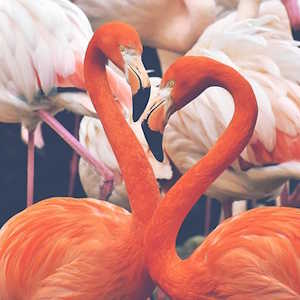 Flamingos
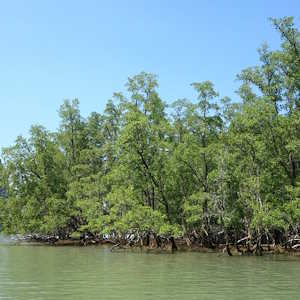 Mangrove swamps
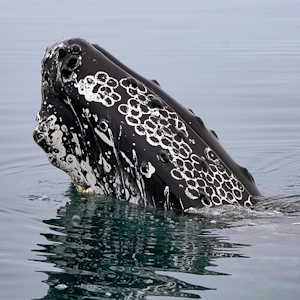 Humpback Whale
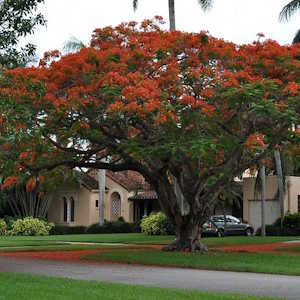 Royal Poinciana
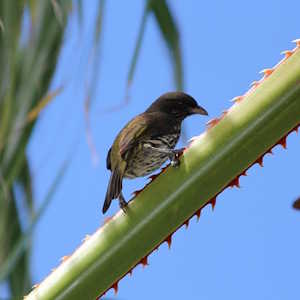 Palmchat
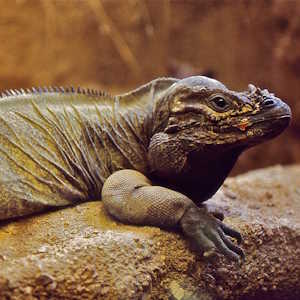 Rhinoceros Iguana
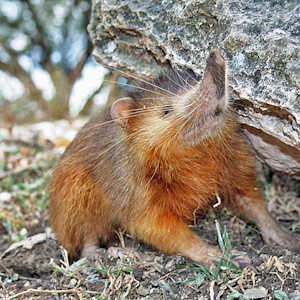 Solenodon
Fauna
- Humpback Whales – annual migration to Samaná Bay (January-March).
- Rhinoceros Iguana – rare endemic iguana.
- Solenodon – also known as the agouta, it is a unique nocturnal animal, related to prehistoric mammals. It’s one of the few venomous mammals on the island. It is endangered and endemic to Hispaniola (Dominican Republic and Haiti).
- American Manatee – endangered species in mangroves and bays.
- Over 300 bird species – including the Palmchat (national bird) and flamingos.
Small-scale Conservation Projects in the Dominican Republic
Ecored Dominicana Is in charge of initiatives to make businesses and tourism greener and more sustainable.
Fundación Grupo Jaragua
Protection of biodiversity in the southwest. They focus on Lago Enriquillo and Jaragua National Park.
FUNDEMAR
(Fundación Dominicana de Estudios Marinos). They work on coral restoration and protection of marine ecosystems.
Turtle Protection Program in Saona and Bayahibe
Conservation of endangered sea turtles.
Reef Check Dominican Republic
Divers and volunteers monitor and restore coral reefs.
Environmental Challenges in the Dominican Republic
- Deforestation and Habitat Loss
Illegal logging and agriculture are expanding into protected areas such as the Sierra de Bahoruco.
Mangroves are disappearing due to tourism and urban development. - Climate Change and Rising Sea Levels
Coral reefs are dying due to warmer waters and pollution.
Floods and hurricanes are becoming more intense, destroying ecosystems. - Pollution and Waste Management
Poor waste management and plastic pollution, especially around tourist beaches.
Water pollution from industry and agriculture. - Tourism and Urban Development
The cause of mangroves disappearing. - Overfishing and Destructive Fishing
Local fish populations such as parrotfish are threatened by overfishing.
Dynamite fishing and bottom trawling (where nets are dragged across the seafloor) damage reefs.
- Damajagua Waterfall
- Sierra de Bahoruco National Park
Government Policy on Ecotourism and Sustainability
Ecotourism now plays an increasing role in tourism policy. The country promotes sustainable accommodation and rainforest conservation. Responsible snorkel tours reduce impacts on marine ecosystems. Visitors should never touch marine animals or corrals. Feeding marine life is also prohibited. Tourists should use reef-safe sunscreen, easy to find. These practices protect coral reefs and marine biodiversity. Key ecotourism initiatives in the Dominican Republic include the following.
- Reforestation projects – programs to replant deforested areas, especially in mountainous areas.
- Protected natural areas – more than 25% of the country consists of protected natural areas.
- Nature and wildlife excursions – sustainable whale watching, bird watching and eco-friendly hikes.
- Plastic ban and waste management – cities and tourist areas are increasingly focusing on less plastic use. Phased ban on plastic straws, bags, and polystyrene.
- Sustainability Policy in Hotels and Resorts – increasing number of eco-certifications and green initiatives.
- Fishing Restrictions and Marine Reserves – restrictions on fishing methods and protected areas such as national parks, wildlife refuges, and marine mammal sanctuaries.
Dominican Republic Eco lodges and Travel safety
Check the safety situation before visiting. Review conditions in the areas you plan to explore. First-hand information is always best. Be cautious with information on social media. Consult official government travel advice. The Canadian Government lists Travel Advisories for the Dominican Republic.
IMAGE CREDITS > El Limon Waterfall. Image by AMartiniouk from Wikimedia C. C. 3.0 > Los Haitises National Park. Image by Starus Wikimedia. C. C. 3.0 > Lago Enriquillo. Image by https://commons.wikimedia.org/wiki/User:Jos1950. Wikimedia C.C. 4.0 > Flamingos. Image by Alexa from Pixabay. Mangroves, Swamps. No author on Pixabay.> Humpback whale. Image by Markus Kammermann from Pixabay. > Flamboyant. Image by WikiImages from Pixabay. > Palmchat, Dulus dominicus. Image by Zoo Snow from Pixabay. Hispaniolan Rhinoceros Iguana. Image by Bernard Dupont. C. C. 2.0 > Hispaniolan solenodon. Image by Seb.Wikimedia. C. C. 3.0 > Damajagua Waterfall, in Puerto Plata. Image by Funcheta. Wikimedia C.C. 4.0 > Hoyo de Pelempito, Sierra de Bahoruco National Park. Image by Eric Carrasco-Nuñez. Wikimedia C.C. 4.0.
Leave a Reply
Want to join the discussion?Feel free to contribute!