
Australia Eco Lodges
Discover the wild beauty of Australia. Stay at one of the unforgettable Australia Eco Lodges. Explore the Outback, rainforests, and coral reefs. Each region offers unique landscapes and wildlife. Visit the Great Barrier Reef for incredible marine life. Explore the ancient Daintree Rainforest in Queensland. Tasmania offers rugged coastlines and pristine wilderness areas.
Australia Ecolodges And Resorts – Lets Go Down Under!

Australia Ecotourism
Australia is a dream destination for ecotourists. Wildlife encounters are common across the country. Enjoy sustainable adventures and breathtaking scenery. Travel responsibly while protecting the environment. Australia Eco Lodges provide the perfect base for exploring this diverse continent. Nature is calling!
• Snorkeling and diving with respect for coral reefs.
• Wildlife safaris.
• Bushwalking and hiking in national parks.
• Aboriginal-guided tours.
• Volunteering in conservation or animal sanctuaries.
The Best Ecotourism Destinations in Australia
Great Barrier Reef and Daintree Rainforest (Queensland)
• UNESCO World Heritage Site.
• Snorkel or dive with sustainable operators.
• Visit the rainforest with Aboriginal guides.
• Stay at Australian Eco lodges in Cape Tribulation.
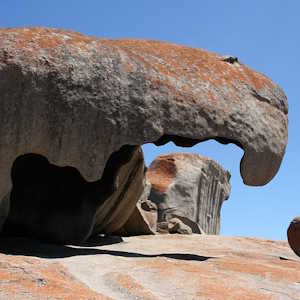
Kangaroo Island (South Australia)
• Rich in wildlife: sea lions, koalas, wallabies.
• Small-scale Australian eco resorts and nature parks.
• Flights or ferry from Adelaide.
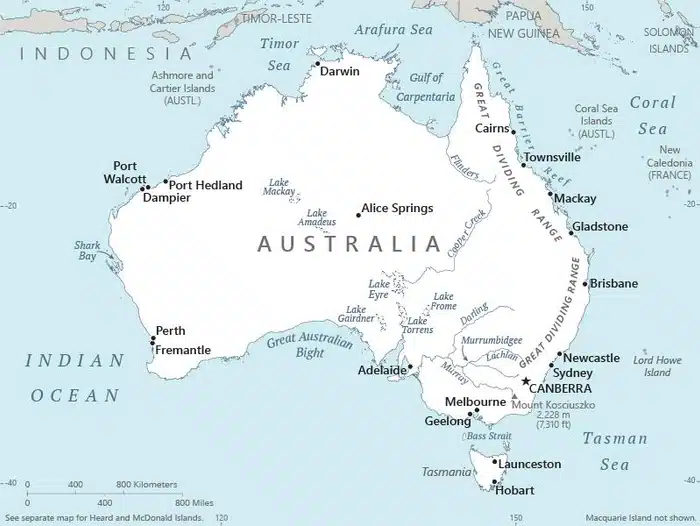 AUSTRALIA MAP
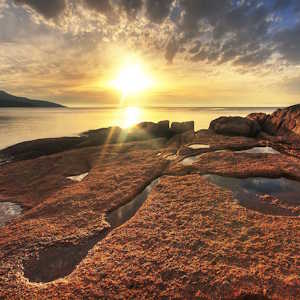
Freycinet National Park and Maria Island (Tasmania)
• Crystal clear water, white beaches, wombats and wallabies.
• No cars on Maria Island – perfect for walking and cycling.
• Tasmania is a leader in sustainable energy: the state is 100% self-sufficient in renewable energy generation.
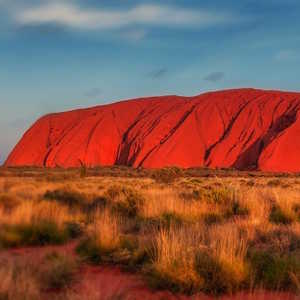
Red Centre and Uluru (Northern Territory)
• Iconic outback, Aboriginal culture.
• Ranger-led walks. Stay at sustainable campsites.
Please respect the sacred land of the Anangu (members of some aboriginal tribes use the name of Anangu to describe themselves).
Blue Mountains (New South Wales)
• Spectacular cliffs, eucalyptus forests, waterfalls.
• Sustainable walking on the Grand Canyon Track or Six Foot Track.
• Good train connections from Sydney.
Suggestions for a 2 week Sustainable Itinerary in
Week 1
Day 1–3: Cairns and Daintree Rainforest (Queensland)
• Eco-excursion to the Great Barrier Reef
• Jungle tour with Aboriginal guide.
• Overnight stay in an Australia eco lodge in Cape Tribulation.
Day 4–5: To Sydney
• A short flight to Sydney is the only realistic option. A train journey from Cairns to Sydney is possible but would take approximately 2 days and 2 nights.
• Explore the city by bike or ferry.
• Overnight stay in an eco-friendly hotel.
Day 6–7: Blue Mountains travelling by train
• Visit Echo Point, Wentworth Falls and bushwalks.
• Stay in an Australia eco lodge or sustainable B&B in Blackheath or Katoomba.
For tips to reduce your ecological footprint, visit our Eco Guidelines
Week 2
Day 8–10: To Kangaroo Island (via Adelaide)
• Ferry from Cape Jervis to the island.
• Small group wildlife tours (that are sustainably oriented).
• Stay in an off-grid eco-retreat.
Day 11–12: Uluru (Red Centre)
• Travel from Kangaroo Island back to Adelaide airport, then take a flight to Yulara (most efficient way).
• Sunset at Uluru, walk around the rock (6.6 miles) or complete a smaller section. Enjoy the scenery!
Day 13–14: Tasmania (Freycinet National Park or Maria Island)
• Short flight to Hobart.
• Hire a bike or go hiking.
• Stay in one of the Australia eco lodges on the east coast or Maria Island.
 Uluru
Uluru- Freycinet Peninsula
- Kangaroo Island
Flora and Fauna
Flora – What Grows In Australia?
- Waratah, iconic Australian bush flower.
- Eucalyptus trees – over 700 species, food source for koalas.
- Banksia and Grevillea – colorful flowers that attract birds.
- Spinifex grass and acacias – essential for the dry interior.
- Red River Gum, Scribbly gum and saltbush, to name a few native species.
 Koala
Koala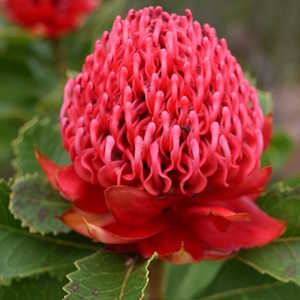 Waratah
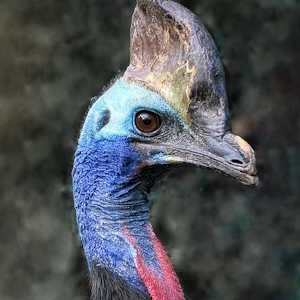 Cassowary
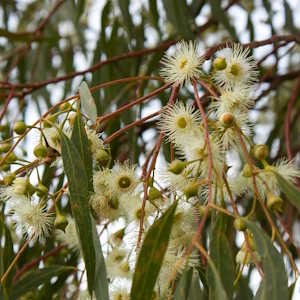 Red River Gum Tree
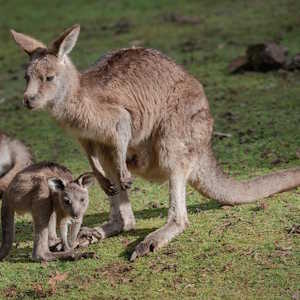 Kangeroo
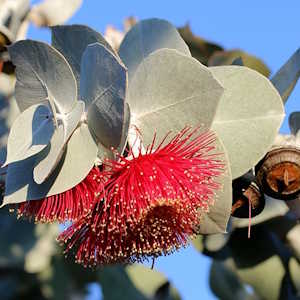 Eucalyptus
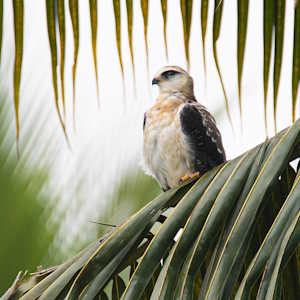 Black-shouldered kite
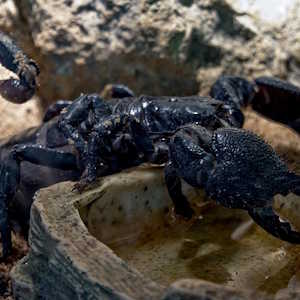 Black Rock Scorpion
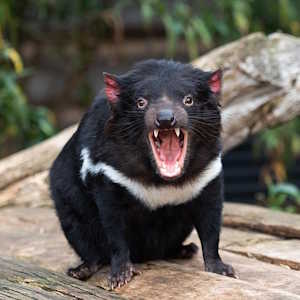 Tasmanian devil
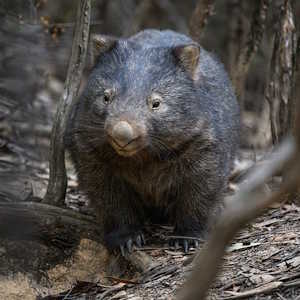 Wombat
Fauna – What Animals Can You Spot in Australia?
- Kangaroos and wallabies – found everywhere, from outback to forest.
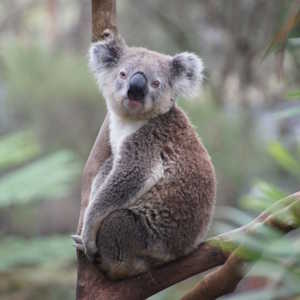
- Koalas – in eucalyptus forests of eastern Australia.
- Wombats – mainly in Tasmania and southeastern states.
- Tasmanian devil – unique to Tasmania.
- Platypus – shy but can be spotted in quiet rivers.
- Cassowary – endangered, prehistoric-looking bird in Queensland’s rainforest.
- Numerous venomous species, which include spiders, scorpions and stingrays.
Small-Scale Nature Conservation Projects
Phillip Island Nature Parks (Victoria)
Sustainably manages the famous penguin parade area.
Restores native vegetation and protects small penguin colonies.
Arid Recovery (South Australia)
Large-scale desert restoration project. They focus on reintroducing extinct species such as the bilby. Volunteers can help with monitoring and field research..
Ningaloo Turtle Program
Volunteer project to protect sea turtles during nesting season. Works with local Aboriginal communities.
Reef Restoration Foundation (Queensland)
Coral nurseries for the restoration of the Great Barrier Reef. As a visitor you can adopt a “coral tree”. This is an artificial structure that encourages coral to attach to and grow.
Environmental Challenges in Australia
- Bushfires
Climate change has made fires more intense and frequent. The Black Summer fire (2019–2020) devastated over 247 million acres of nature. It also killed an estimated 3 billion animals. - Invasive Species
Rabbits, foxes, cats and toads disrupt ecosystems and threaten native species. For example bilbies (extinct but groups are working to bring it back) bandicoots and ground parrots. - Deforestation and Mining
Large areas of forest, particularly in Queensland, are being cleared for agriculture and mining. Habitat loss is the biggest threat to koalas. - Climate Change and Coral Bleaching
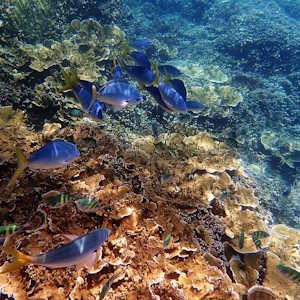
The Great Barrier Reef is suffering from repeated bleaching events. Ocean acidification and rising temperatures threaten marine life and corals. - Water scarcity and pollution
Overexploitation of river systems (such as the Murray-Darling) harms biodiversity.Pesticides and plastic pollution are a growing problem.
- Great Barrier Reef
- Koala
Australian Government Policy on Ecotourism and Sustainability
Several levels of the Australian government support ecotourism. These include federal, state, and territorial governments. They support Ecotourism Australia, an independent non-government organization. Government agencies collaborate with Ecotourism Australia on sustainable tourism initiatives. The organization manages certification for eco-accommodations and tour operators. This program is called the Eco Certification Program.
Certification fees for Australian eco lodges and tours are often high. Small Australia Eco Lodges may not afford this certification. This limitation inspired the creation of our Online Eco Rating Exam. The system helps evaluate eco lodging without expensive third-party inspections. It also helps prevent greenwashing while remaining affordable.
Various levels of the Australian government (federal, state, and territory) support Ecotourism Australia (an NGO who operates independently). Government agencies collaborate with Ecotourism Australia on sustainable tourism initiatives.The NGO manages certification of eco-accommodations and tour operators through the Eco Certification Program. Their fees for Australian eco lodges and tours certification are high. Just keep in mind that the smaller Australia Eco Lodges may not be able to afford this type of certification. This is part of the reason we created our Online Eco Rating Exam. Without a 3rd party visit, this is the best way to help fight “green-washing” and yet be affordable for all eco lodging.
Protected Area Management
Australia protects more than 600 national parks and nature reserves. These protected areas cover about twenty percent of the country’s land. The government often collaborates with Aboriginal communities. Many parks operate under joint management agreements. Examples include Kakadu National Park and Uluru-Kata Tjuta National Park. These partnerships protect both nature and cultural heritage.
Sustainable tourism policy
Australia increasingly recognizes the importance of sustainable tourism. Government policies aim to protect the environment, economy, and local communities. Several initiatives support sustainable tourism development.
Emissions reduction programs help businesses measure and reduce carbon emissions. Other programs conserve natural and cultural heritage. The government promotes sustainable infrastructure. Examples include eco-trails and solar energy systems. Some sensitive natural areas restrict visitor numbers. These measures help protect fragile ecosystems.
Australia Eco lodges and Travel Safety
Check in advance about the safety in Australia and in the places you plan to visit. You can also consult your country’s official government websites. You can use the Canadian Government page on Australia.
IMAGE CREDITS > Black-shouldered kite. Image by shamprakash from Pixabay. > Koala. Kangaroo island. Image by xiSerge from Pixabay. > Waratah. Image by Anyaall from Pixabay.> Eucalyptus leaves. Image by BecBartell from Pixabay. > Red River Gum Tree. Wikimedia. Image by Rexness. https://www.flickr.com/people/25287507@N02. C. C. 2.0. > Kangaroo. Image by Penny from Pixabay. > Common wombat. Image by Penny from Pixabay.
>Tasmanian devil, Marsupial. Image by Penny from Pixabay. > Southern cassowary. Image by Angela from Pixabay. > Scorpio. Image by Foto-RaBe from Pixabay. > Kangaroo island. No author. Pixabay. > Freycinet Peninsula, Tasmania. Image by JJ Harrison. https://commons.wikimedia.org/wiki/User:JJ_Harrison Wikimedia. C. C. 3.0. > Uluru. Image by Walkerssk from Pixabay. > Koala. Image by Martin Str from Pixabay. > Great barrier reef. Image by yuejun gao from Pixabay.
Leave a Reply
Want to join the discussion?Feel free to contribute!