
Mexico Eco Lodges
Discover the rich biodiversity and vibrant culture of sustainable travel with Mexico Eco Lodges! From the lush jungles of Chiapas to the pristine beaches of the Yucatán Peninsula and the cactus-filled deserts of Baja California, Mexico is full of natural wonders. The Golden Eagle is the national symbol of Mexico and appears in the banner above.
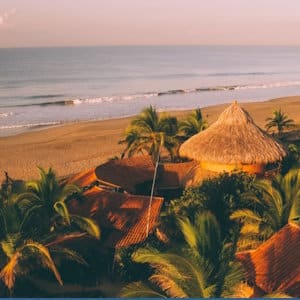
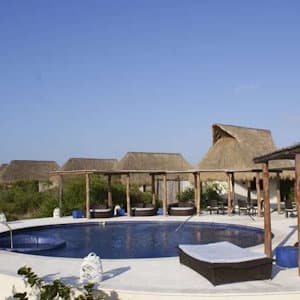
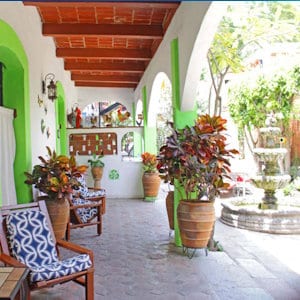
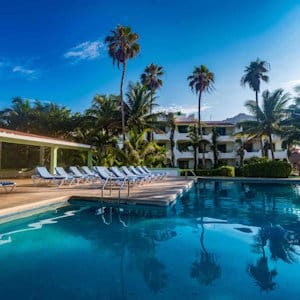
Stay in eco-friendly lodges that support conservation and local communities while providing comfort and authenticity. Most of our Mexico eco lodges and tours are located on the beach. Three of them are located on the Caribbean coast. The Mesoamerican Barrier Reef is just offshore.
Mexico Eco Lodges And Eco Tours

Mexico Ecotourism
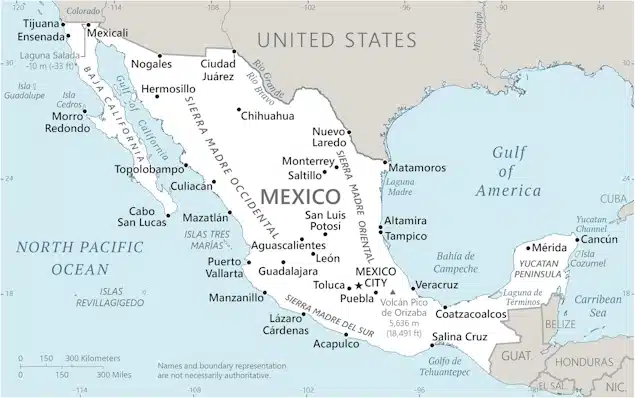
Mexico is one of top 10 countries visited in the world. The country has an area of 1,972,550 km2/761,606 sq. mi. and an estimated population of 22 million people. Mexico is especially known for its rich culture and history. Many archeological sites are dotted all over the country. Lots of tourists also visit Mexico for its tropical climate and beautiful beaches.
Mexico is an ecotourism paradise, with vast rainforests, colorful coral reefs, volcanic landscapes, canyons, and a unique biodiversity. It offers ecotourists an incredible variety of landscapes and wildlife. The possibilities are endless for people who want to combine adventure with nature. The country has numerous protected areas and offers plenty of opportunities for sustainable adventures. With over 180 Nature Reserves and National Parks, Mexico is a great destination for North America ecotourism. Whether you’re exploring ancient ruins, spotting sea turtles, or hiking through cloud forests, Mexico Eco Lodges promise an unforgettable green escape.
The Best EcoTourism Destinations in Mexico
Calakmul Biosphere Reserve, in Campeche
Location: Campeche, southern Yucatán Peninsula.
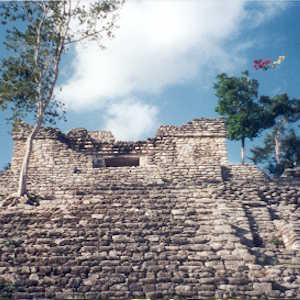
One of the largest protected jungles in Mexico, bordering Guatemala. Home to the largest jaguar population in Mexico. You can visit the iconic ruins of the ancient Mayan city of Calakmul. Eco-activities: jungle trekking, birdwatching, and climbing many Mayan temples overlooking endless forests. Hiking with nature guides and staying overnight in one of the Mexico Eco Lodges are also great options.
 Mexico Map
Sian Ka’an Biosphere Reserve, in Quintana Roo
Location: Yucatán Peninsula, Quintana Roo. A UNESCO World Heritage Site with mangroves, lagoons, and the Mesoamerican Reef. Spot manatees, dolphins, and sea turtles on a kayak or boat tour at Punta Allen.
Isla Holbox, in Quintana Roo
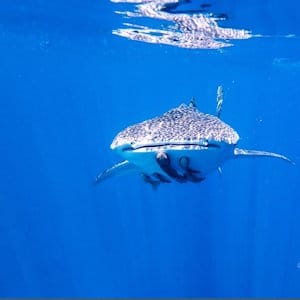
Location: Northern Yucatán Peninsula. A car-free island with pristine beaches and mangroves. Enjoy a relaxed eco-vibe. Famous for swimming with whale sharks that migrate here. You can only do this during the right season (June to September) and under strict ecological guidelines. Sustainable activities: kayaking through mangroves and spotting flamingos. You will find a good selection of Mexico Eco Lodges on the island.
Copper Canyon, Barrancas del Cobre, Chihuahua
Location: Northern Mexico. This spectacular canyon area is deeper and more expansive than the Grand Canyon. Take a sustainable train journey with El Chepe Express through impressive canyons. Stay overnight in one of the Mexico Eco Lodges run by the indigenous Rarámuri community (known for their ultra-marathon running). Sustainable activities: hiking, mountain biking, ziplining, and birdwatching.
Monarch Butterfly Biosphere Reserve, in Michoacán
Location: Central Mexico. The “winter home” to millions of monarch butterflies. They migrate from Canada and the US to these mountain forests each year—a magical phenomenon. Best time to visit: November–March. Sustainable activities: hiking among butterfly filled trees, learning about conservation projects, and supporting sustainable community initiatives.
Suggestions for a 2 week Sustainable Itinerary in Mexico
Week 1 – Yucatán and Chiapas – Rainforests, Cenotes, and Coral Reefs
- Day 1-3: fly into Cancún and travel to Isla Holbox.
Holbox is a car-free island with Mexico eco lodges and protected mangrove areas.
Sustainable activities:
Swim in bioluminescent waters at Punta Cocos.
Kayak through mangroves. You might see flamingos, which are protected.
Travel tip: Take the bus from Cancún to Chiquila and there you take the ferry to Holbox. The trip will take 3.5 to 4.5 hours. - Day 4-5: Sian Ka’an Biosphere Reserve (UNESCO World Heritage Site).
One of the largest protected natural areas in Mexico, with dense jungle, lagoons, and reefs.
Sustainable activities:
Take a non-motorized boat trip through mangroves to spot crocodiles, dolphins, and birds.
Snorkel in the Mesoamerican reef. Be sure to hire a sustainable tour operator.
Travel tip: travel by ferry from Holbox to Chiquila. In Chiquila take the bus to Tulum. In Tulum you can book a tour or take a taxi to Sian Ka’an. - Day 6-7: Calakmul Biosphere Reserve (wild jungle and ruins).
Mayan ruins in the middle of the jungle. Travel tip: take a bus from Tulum to Chetumal and from there take a bus to Xpujil. In Xpujil take a taxi to Calakmul. You can also take the Tren Maya! Stay in one of the Mexico Eco Lodges in the neighborhood of Calakmul. With some luck you might spot a jaguar or a macaw.
Sustainable activities: watch the sunrise from the top of the temple pyramids. Enjoy wildlife spotting: monkeys, toucans, and many other animals!
Week 2 – Palenque and Chiapas – Waterfalls, Rainforests, and Indigenous Culture
- Day 8-10: Palenque and Lacandón Jungle (Mayan Temples and Primary Rainforest).
A mix of ancient ruins and pristine jungle.
Sustainable activities:
• Explore Palenque ruins with an eco-guide.
• Enjoy kayaking and jungle hikes.
• Take a minibus to the waterfall of Agua Azul.
Stay in one of the Mexico Eco Lodges.
Travel tip: Take the bus from Xpujil to Palenque. - Day 11-14: San Cristóbal de las Casas and Cañón del Sumidero (Indigenous culture and nature)
A colorful colonial city surrounded by mountains and indigenous villages.
Sustainable activities:
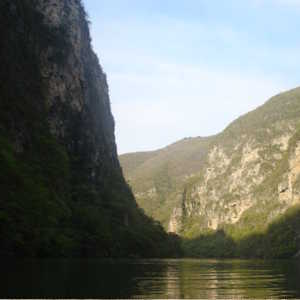
A day trip to Sumidero Canyon from San Cristobal de las Casas is a popular excursion that includes a boat ride through the canyon and a visit to the magical town of Chiapa de Corzo (spotting crocodiles, vultures, and caves).
Visit indigenous villages such as San Juan Chamula.
Go on Fair Trade coffee and cacao tours.
Travel tip: Take a night bus from Palenque to San Cristóbal as a sustainable alternative to flying. The bus trip will take 7 to 8 hours. Fly to Cancun or Mexico-city to catch your flight back home.
 Meso American Barrier Reef
- Calakmul archaeological site
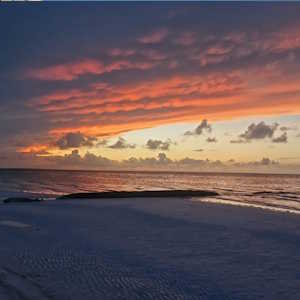
- Isla Holbox Sunset
- Canyon de Sumidero
Flora and Fauna in Mexico
The country is home to about 10% of all known species on Earth! Thanks to its enormous geographical variety, from tropical rainforests and deserts to mountain ranges and coral reefs, you’ll find an incredible diversity of plants here. Besides that, Mexico has a world-class biodiversity, from jaguars and whales to quetzals and flamingos.
Flora – what grows in Mexico?
Rainforests and Tropical Vegetation, in Southern Mexico (Chiapas, Yucatán, Campeche, and Oaxaca).
• Important plants: Kapok tree (Ceiba pentandra) – a sacred tree of the Mayans.
• Mahogany and ebony trees – widely used in furniture production.
• Orchids – 1,200 species, including the famous vanilla orchid.
Deserts and Dry Ecosystems, in Northern Mexico (Sonora, Chihuahua, and Baja California).
• Key Plants: Saguaro cactus (Carnegiea gigantea) – the iconic giant cactus of the Sonoran Desert.
•Agave plant – the source of tequila and mezcal.
• Ocotillo – a tall, spiky plant that blooms red.
Mountain Forests and Pine Forests, in Central Mexico (Michoacán, Puebla, Mexico City, and Jalisco).
• Key Plants: Pine-encino forests – a mix of pines and oaks.
• Oyamel-fir trees (Abies religiosa) – essential for the monarch butterfly.
• Maguey (Agave americana) – used for pulque, a traditional Mexican drink.
Mangroves and Coastal Vegetation, in Yucatán and Baja California (Gulf of Mexico, Caribbean Coast, and Baja California).
• Key Plants: Red and black mangroves – protect coastlines from erosion.
• Seagrass meadows – crucial for sea turtles and manatees.
• Palm trees, such as coconut palm.
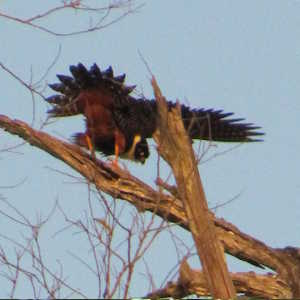 Bat Falcon
 Bougainvillea
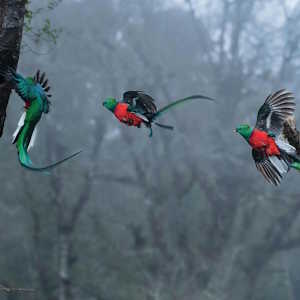 Quetzals
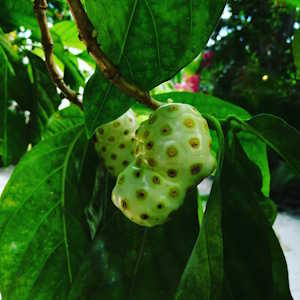 Noni
Noni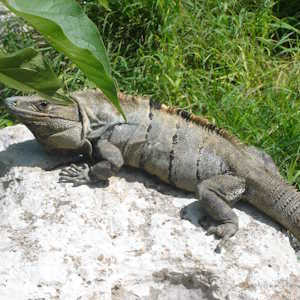 Iguana
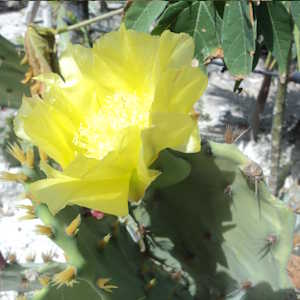 Cactus
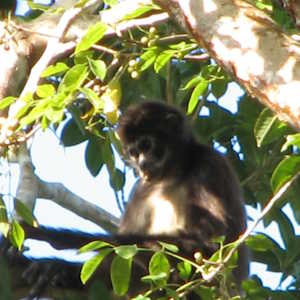 Spider Monkey
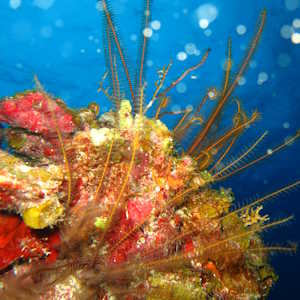 Coral
Coral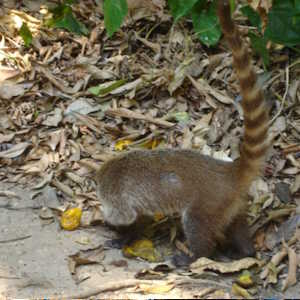 Tejon
Tejon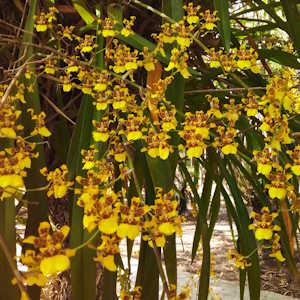 Orchids
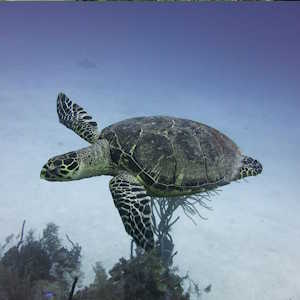 Turtle
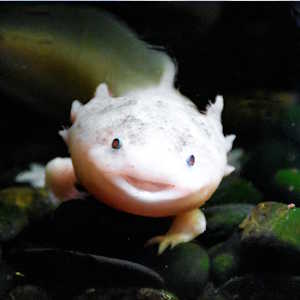 Axolotl
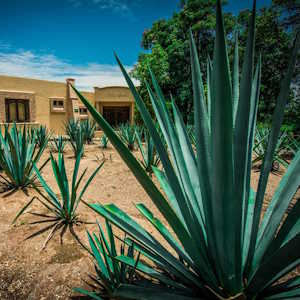 Agave Cactus
Fauna – what animals can you see in Mexico?
• Large Mammals. Jaguar (Panthera onca) near threatened– lives in the rainforests of Yucatán and Chiapas.
• Baird’s tapir (Tapirus bairdii) – endangered but found in southern Mexico, at the base of the Yucatan Peninsula in the state of Campeche.
• Gray wolf (Canis lupus baileyi) – one of the rarest wolf species in the world. It is currently the subject of a captive breeding and reintroduction program to restore wild populations in Mexico.
Marine Life and Coral Reefs (Baja California, Yucatán, Quintana Roo, and the Gulf of Mexico).
• Key Species: Whale sharks (Rhincodon typus) – swim around Isla Holbox and the Gulf of California.
• Humpback whales – Baja California is one of the best places to spot them.
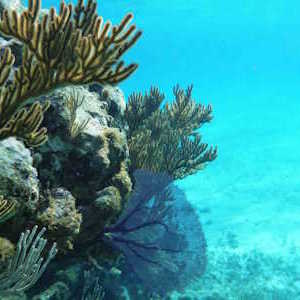
• Mesoamerican Coral Reef – the second-largest reef in the world, rich in colorful fish and turtles. The reef stretches along the coasts of four countries – Mexico, Belize, Guatemala and Honduras.
Birds of Mexico.
• Quetzal (Pharomachrus mocinno) near threatened – the sacred bird of the Mayans, found in Chiapas.
• Pink flamingos (Phoenicopterus ruber) – they breed in the mangroves of Celestún.
• Macaws (Ara macao, Ara militaris) – endangered parrot species in the jungle.
Reptiles and Amphibians.
• Saltwater crocodile (Crocodylus acutus)-live in mangroves and swamps.
• Axolotl (Ambystoma mexicanum)– a unique salamander-like animal found only in Xochimilco, Mexico City.
• Green sea turtle (Chelonia mydas) – lays eggs on beaches along the Pacific and Caribbean coasts.
Insects and Butterflies.
• Monarch butterfly (Danaus plexippus) – migrates to the forests of Michoacán every year.
• Mexican giant beetle (Dynastes grantii) – one of the largest beetles in the world.
• Bees (and hummingbirds) – essential for pollinating plants, such as the vanilla orchid.
Small-Scale Nature Conservation Projects
There are many small-scale conservation projects working on sustainable solutions in Mexico.
Monarch Butterfly Conservation Program, in Michoacán
Location: Monarch Butterfly Biosphere Reserve.
Works with local farmers to protect forests for butterflies.
Promotes ecotourism to generate income without deforestation.
Vaquita Conservation Program, in Baja California
Location: Gulf of California.
Protects the critically endangered vaquita porpoise.
Collaborates with fishermen to reduce bycatch.
Maya Ka’an Sustainable Tourism, Quintana Roo
Location: Riviera Maya (near Sian Ka’an Biosphere Reserve).
Promotes small-scale, community-based ecotourism.
Provides income for local Mayan communities.
Mangrove and Coral Restoration in the Caribbean
Location: Quintana Roo, the Mesoamerican Coral Reef.
Mangrove restoration projects (natural storm protection).
Coral restoration through reef nurseries.
Environmental Challenges in Mexico
Tourism is the second most important source of income. Over 20 million visitors come annually to Mexico. This has created a lot of jobs. Unfortunately, there is also a downside to this. Mass tourism is also responsible for many ecological problems in the country. One of the most obvious examples is Cancun. From a small fishing village, it has been rapidly converted into an international resort destination. Mangroves are a natural habitatat for many species. Huge areas of mangroves have been destroyed to construct big hotels in Cancun as well as Playa del Carmen and Tulum. Other Environmental threats:
- Deforestation and Illegal Logging
Approximately 250,000 hectares/965 miles of forest are destroyed each year.
Causes: agriculture (mainly cattle ranching and avocado farming), mining, and illegal logging.
Areas affected: Yucatán, Chiapas, Oaxaca, and Michoacán. - Climate Change and Extreme Weather
Droughts, hurricanes, and temperature increases threaten ecosystems.
Coral reefs and mangroves are affected by rising sea levels. - Water Pollution and Overexploitation of Water Resources
Rivers and lakes are polluted by industry and agriculture (pesticides and heavy metals).
Sargasso algae, with its origin in polluted water in the Amazon area of Brazil, is washing ashore at Caribbean beaches.
Water shortages are a problem in urban areas and dry regions.
The Mesoamerican coral reef is damaged by waste and chemicals. - Biodiversity Loss and Illegal Hunting
The illegal trade in exotic animals and plants is also a major problem.
The jaguar and axolotl are threatened with extinction. The vaquita porpoise is on the brink of extinction.
A recent report from the International Committee for the Recovery of the Vaquita shows that only ten are left.
Government Policy on Ecotourism and Sustainability
- Cancun Hotel Zone
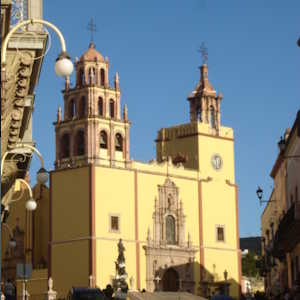
- Basílica Colegiata de nuestra señora de Guanajuato
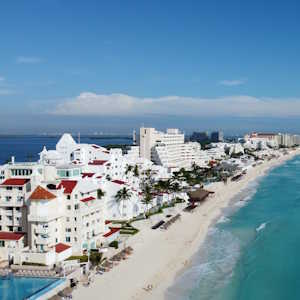
The Mexican government seems eager to protect the environment. Over the past 20 years, many new laws have been passed, and initiatives and programs to promote sustainability and ecotourism have been implemented. Various regions throughout the whole country have been declared protected areas. The government has applied environmental legal restrictions on construction projects. Investors are also encouraged to build small-scale Mexico eco lodges, and the prices of solar panels in Mexico have dropped.
Mexico is making strides in sustainable tourism, but there is still a lot of work to be done. In some regions like Quintana Roo, big hotel chains and cruise companies can degrade ecosystems, pollute air and water, and divert tourism income away from local communities—unless they are strictly regulated and shift to sustainable practices. Enforcement of the law is a big challenge.
Mexico Eco lodges and Travel Safety
Be sure to check in advance about the safety in Mexico and in the places you plan to visit. You can also consult your country’s official government websites. For American citizens, it is the US Department of State’s page on Mexico.
IMAGE CREDITS > Agave americana. Image by Efrain Hernandez from Pixabay. > Sunset Holbox. Image by Jair Flores > Coral & Turtle. Images by Catherine Giroux – Gypsea Divers Mahahual > Quetzal. Image by Jonnathan Marin from Pexels. > Axolotl. Image by Artem Lysenko. > Tejon, Iguana. Images by Carolina van Santvoord. > Spider Monkey, Bat Falcon, Orchids, and Calakmul. Images by Diane Lalonde, Rio Bec Dreams. > Bougainvillea, Flower Cactus, Noni, Palenque, Sumidero Canyon, Basilica Guanajuato. Images by Carolina van Santvoord. > Cancun Hotel Zone. Image by Anton Lukin from Pixabay
Leave a Reply
Want to join the discussion?Feel free to contribute!