
Indonesia Eco Lodges
Explore the natural wonders of the archipelago with Indonesian Eco Lodges, your gateway to sustainable travel in paradise! From the lush rainforests of Sumatra and Kalimantan to the pristine beaches of Bali and Flores, Indonesia is a dream destination for ecotourists. Discover rare wildlife like orangutans and Komodo dragons. Or dive into vibrant coral reefs or immerse yourself in rich local cultures. These Indonesian eco lodges offer unforgettable experiences and support conservation and local communities.
Indonesia Eco Lodges – The Emerald of the Equator
Indonesian Ecotourism
Ecotourism in Indonesia is all about conservation, local communities and small-scale experiences. The country has thousands of islands with unique ecosystems. Popular ecotourism activities include:
• Volcanic hiking, in Mount Bromo and Ranjani volcanoes.
• Wildlife watching (orangutans in Sumatra and Borneo).
• Diving and snorkeling, in Raja Ampat, Komodo, and Wakatobi.
• Ecological jungle treks, in Kalimantan, and Papua.
• Community-based tourism (villages in Flores, Sumba, and Bali).
There are a growing number of Indonesian Eco Lodges and local guides. There are also more projects where tourism actively contributes to conservation and income for residents.
Tips for Sustainable Travel in Indonesia
Take your waste back with you on remote islands where there is no waste management.
Avoid animal tourism, no interaction with wild animals. This causes stress, injury, or long-term damage to the animals, even if they appear “happy” or “tame”.
For eco-conscious travelers who want to keep their ecological footprint as small as possible, have a look at our Eco guidelines.
The Best EcoTourism Destinations in Indonesia
Tangkahan, in North Sumatra
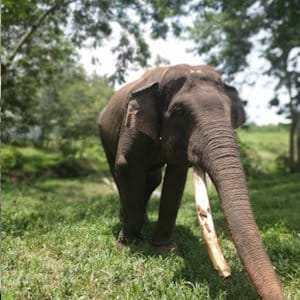
• Jungle eco-village, famous for elephant ecotourism (no rides, please).
• Jungle walks, hot springs, and tubing.
• Collaboration between locals and rangers.
Gunung Leuser National Park, in Sumatra
• Habitat for the endangered orangutan.
• Trekking from Bukit Lawang.
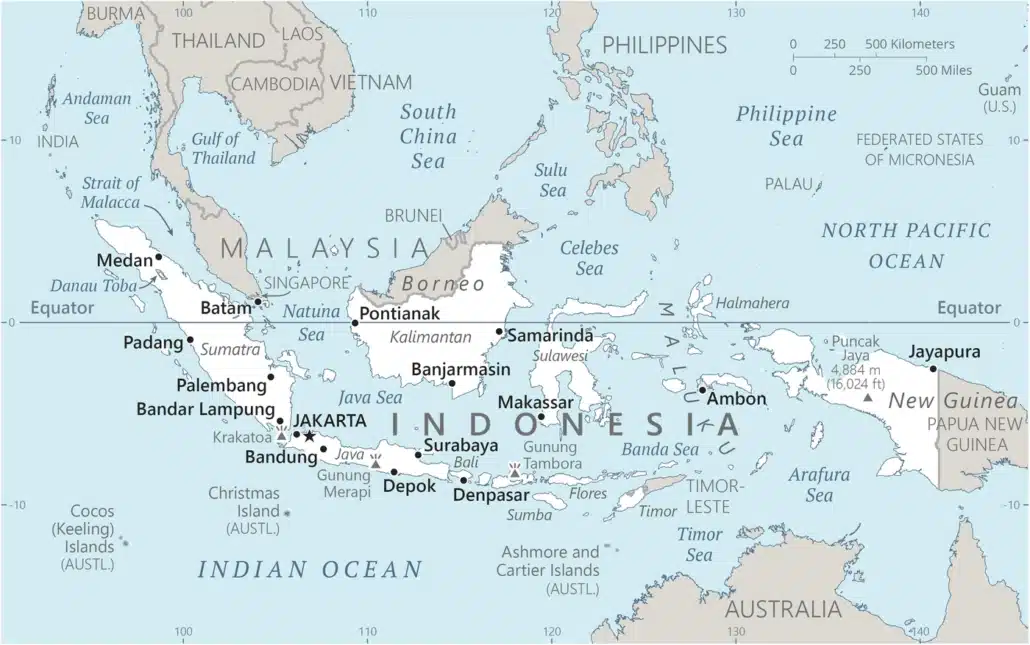 Indonesia Map
West Bali National Park
• Very quiet and protected nature.
• Snorkeling, jungle walks, and bird watching.
Menjangan Island, in Bali
• Protected marine reserve.
• Very good snorkeling and diving location, with sustainable accommodations.
Flores and Komodo National Park
• Ecologically responsible visit to the Komodo dragons.
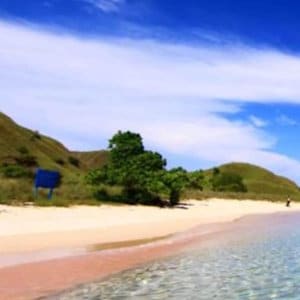
• Sustainable diving around Kanawa or Labuan Bajo.
Raja Ampat in West Papua
• Untouched nature and the richest coral reefs in the world.
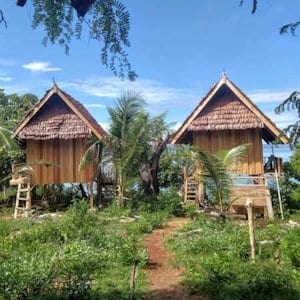
• Indonesia Eco Lodges on remote islands.
Togean Islands in Sulawesi
• Pure Island feel with small eco-resorts.
• Diving, snorkeling, kayaking, and local culture.
Sumbawa and Sumba
• Two different islands, each authentic and not known by many tourists.
• Community-based tourism and small-scale ecolodges.
Suggestions for a 2 week Sustainable Itinerary in Indonesia
Week 1
Day 1–3: Bukit Lawang in Sumatra
• Orangutan trekking in Gunung Leuser National Park.
• Spend the night in an Indonesia eco lodge along the river.
Day 4–6: Tangkahan
• Tubing, and jungle walks.
• Visit a sustainable elephant sanctuary (no tourist shows).
Take a domestic flight to Bali.
Week 2
Day 7–8: West Bali National Park and Menjangan Island
• Snorkeling in a protected reef.
• Spend the night in an Indonesian eco lodge on the edge of the park.
Day 9–11: Flores – Labuan Bajo
• Dive/snorkel trip to Komodo National Park.
• Visit sustainable initiatives and fishing villages.
Day 12–14: Raja Ampat (optional) or Togean Islands (more accessible)
• Stay at an eco-accommodation on a remote island.
• Snorkeling, mangrove tours, and interacting with locals.
 Raja Ampat
- Bali
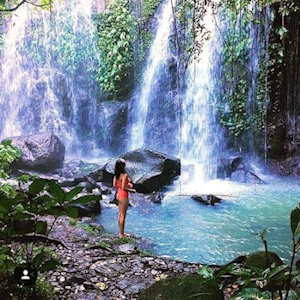
- Tumpak Sewu Waterfall on Java
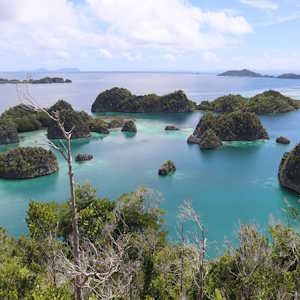
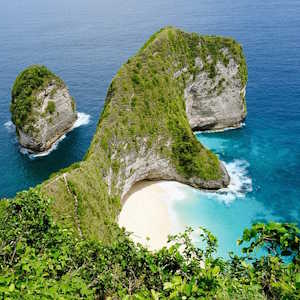
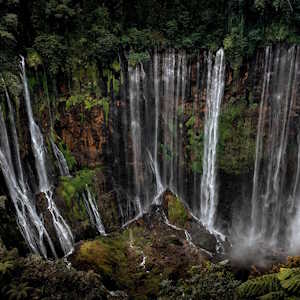
Flora and Fauna in Indonesia
Indonesia is one of the 17 megadiverse countries in the world. It lies on the border of the Asian and Australian biogeographic zones (the so-called Wallace Line). This makes for unique flora and fauna.
Flora – What Grows In Indonesia?
• Tropical rainforests in Borneo, Sumatra, and Papua.
• Mangroves and swamp forests.
• Coral reefs – Indonesia has part of the Coral Triangle. This area has the highest marine biodiversity in the world.
• Special plants such as the rafflesia (largest flower in the world) and Amorphophallus titanum (“corpse flower”).
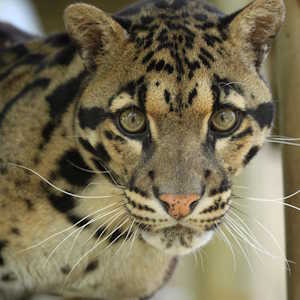 Cloud Leopard
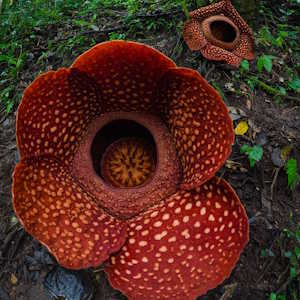 Rafflesia Arnoldii
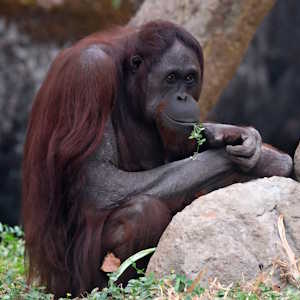 Orang Oetang
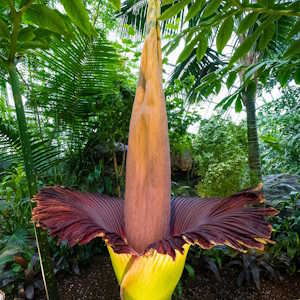 Amorphophallus Titanum-largest flower in the world
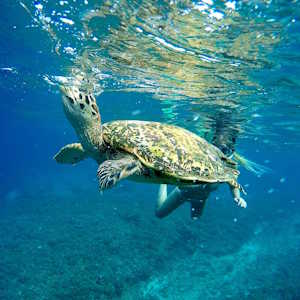 Sea Turtle
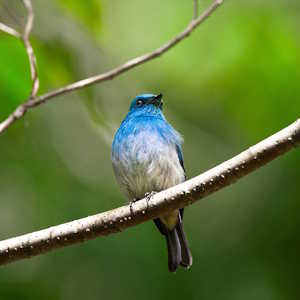 Blue Bird
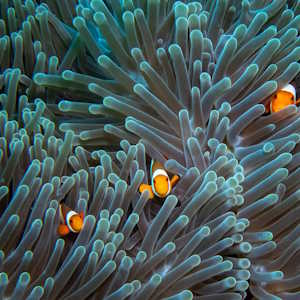 Magnificent Sea Anemone
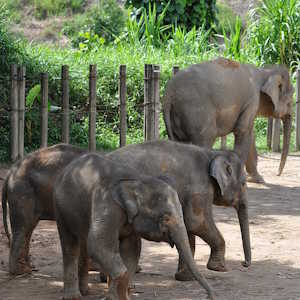 Pygmy Elephant
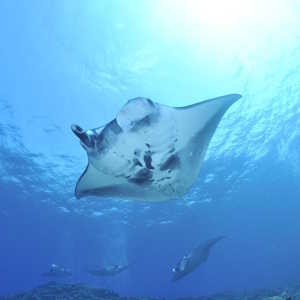 Manta Ray
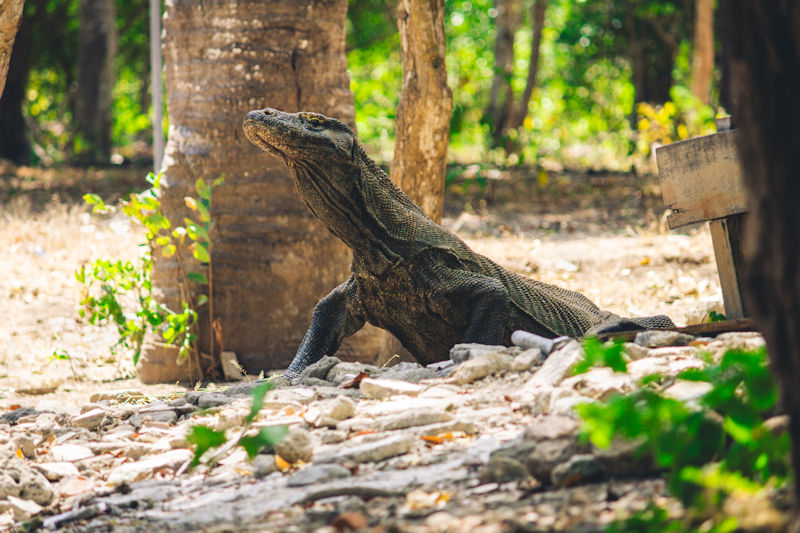 Komodo Dragon
Fauna – What Animals Can You See In Indonesia?
• Orangutan – found in Sumatra and Borneo, in Kalimantan.
• Komodo dragon – found in Komodo, Rinca and Flores. They are also found on the smaller islands of Gili Motang and Gili Dasami within Komodo National Park.
• Clouded leopard and pygmy elephants in Borneo, tarsiers, and cuscus.
• Over 1,700 bird species, including Papua birds of paradise.
• Whales, dolphins, manta rays and sea turtles in the coral-rich waters.
Small-Scale Nature Conservation Projects
Orangutan Information Centre (OIC)
• Location: North Sumatra
• Works on reforestation and rehabilitation of orangutans.
• Also offers education and community ecotourism.
The Orangutan Project does great work to help orangutans. We donate regularly.
Yayasan Penyu Bali – Turtle Sanctuary
• Location: Bali
• Protects sea turtles and safely returns eggs to the wild.
• Works with volunteers and educational programs.
Raja Ampat Homestay Association
• Locally run homestays around the islands of Raja Ampat.
• Protects reefs, limits tourist flows, and provides income to local people.
Friends of the National Parks Foundation
• Location: Borneo and Nusa Penida
• Forest rehabilitation, species reintroduction, and education.
• Volunteer projects and sustainable village development.
Environmental Challenges in Indonesian
- Deforestation and palm oil plantations
Indonesia is one of the largest palm oil producers in the world. Millions of hectares of rainforest have been lost due to these plantations.
This threatens species such as the orangutan, the Sumatran tiger, rhinoceros, and elephants. - Illegal logging and mining
This often occurs in protected areas or places where indigenous people live.
Causes soil erosion, loss of biodiversity and water pollution. - Overfishing and coral bleaching
Dynamite fishing and illegal fishing practices damage coral reefs.
Climate change is causing coral bleaching, including in Raja Ampat. - Plastic pollution
Large amounts of plastic in rivers, seas and on beaches.
Indonesia is one of the largest contributors to plastic pollution in the sea but is acting to resolve this. In 2018, the Presidential Decree established the National Action Plan for Marine Debris. The goal: a 70% reduction in plastic waste in the ocean by 2025. Current reductions nearing 40–42% are significant and indicate that the strategy is on track. Though continued efforts are essential — especially to address challenges such as gaps in waste collection, funding limitations, and the need for enhanced enforcement. - Increasing tourism without regulation
This is especially true in Bali, Komodo and Gili Islands. This increased tourism puts pressure on ecosystems and water use.
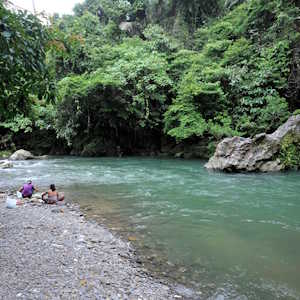
- Tangkahan Buluh River
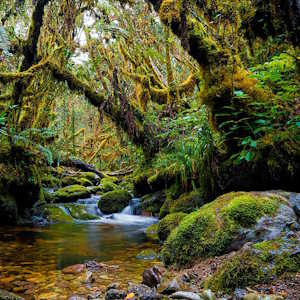
- Gunung Leuser National Park
Indonesian Policy on Ecotourism and Sustainability
The Indonesian government recognizes the potential of ecotourism to combine sustainable development and nature conservation. Some measures below:
• Sustainable tourism programs (supported by the Ministry of Tourism and Creative Economy).
• Focus on community-based tourism, renewable energy and waste management.
• Focus on restoring degraded areas and better managing existing plantations.
• National policy for ‘Geoparks’ and World Heritage sites such as Komodo, Gunung Leuser and Toba Lake Geopark.
• Plastic reduction policy – ban on plastic bags in some regions such as Jakarta and Bali.
However: implementation is often challenging due to corruption, weak enforcement and local interests.
Our blogs about Indonesia
Indonesia Eco Lodges and Travel Safety
Check in advance about the safety in Indonesia and in the places you plan to visit. The Canadian Government has Travel Advisories for Indonesia.
IMAGE CREDITS > Banner Indonesia Eco Lodges. Java Volcano. Image by Kanenori from Pixabay. > Bali. Image by Trung Khong from Pixabay.> Raja ampat. Image by wasis wibowo from Pixabay.> Tumpak Sewu Waterfall. Java. Image by Timur Kozmenko from Pixabay.> Cloud leopard. Image by Danny Nicholson from Pixabay. > Rafflesia Arnoldii. Batang Palupuah, West Sumatra. Image by Maizal Chaniago. Wikimedia C.C. 4.0.> Orangutan. Image by hartono subagio from Pixabay. > Amorphophallus titanium. Image by gkgegk from Pixabay. > Sea turtles. Image by dronepicr. Wikimedia C. C. 2.0. > Blue Bird. Image by Kanenori from Pixabay.
> Magnificent Sea Anemone (Radianthus magnifica) uploaded from iNaturalist. (c) portioid, some rights reserved (CC BY-SA). Wikimedia CC BY-SA 4.0. > Pygmy Elephants. Borneo. Image by shankar s. Wikimedia C. C. 2.0. > Manta Ray. Image by Masako Uchida from Pixabay. > Reptile, Komodo dragon, Lizard image. Image by Patrick Wieler from Pixabay. > Gunung Leuser National Park. Image by Ganjarmustika1904. Wikimedia C.C. 4.0. > Buluh river, Tangkahan, Sumatra. Image by Nomo michael hoefner / http://www.zwo5.de Wikimedia C. C. 3.0
Leave a Reply
Want to join the discussion?Feel free to contribute!