
Micronesia Eco Lodges
Escape to a hidden gem of the Pacific. Stay at one of the enchanting Micronesia Eco Lodges. This island region offers pristine coral reefs and ancient cultural sites. Visitors explore lush jungles and vibrant marine ecosystems. Micronesia is perfect for ecotourists seeking low-impact adventures. Dive with manta rays or explore mangrove forests. Learn from local communities about island traditions. Micronesia Eco Lodges provide excellent bases for exploring the region. Sustainable tourism supports conservation efforts across the islands. Paradise awaits—naturally! Micronesia Map
Micronesia Eco Lodges – Located in a Hidden Gem in the Pacific
Micronesia Ecotourism
Micronesia consists of hundreds of small islands spread across four independent states: Federated States of Micronesia (FSM), Palau, Marshall Islands and parts of Kiribati. The region is rich in unspoiled nature, traditional cultures and biodiversity. Ecotourism in Micronesia is small but growing, and focuses on:
• Sustainable diving and snorkeling (especially in Chuuk, for wreck diving and Palau/locally known as Belau, also for diving).
• Community-based tourism: staying in villages or with families.
• Walking in rainforests and along waterfalls.
• Wildlife tours (such as turtle spotting or bird watching).
My Time in Micronesia – by the Founder
Micronesia offers some of the world’s best diving. I know this from personal experience. I lived on Guam for a number of years. I also visited nearby islands. Divers should not miss Micronesia. Palau is especially famous for sharks and deep reef walls. The marine life is remarkable. I saw huge fish, giant clams, and colorful coral reefs. During one dive, sixteen blacktip sharks circled below me. The experience was thrilling. I carefully turned around and swam back toward my dive partner.
I bought a wooden storyboard in Palau. It came from a workshop at the local prison. Prisoners worked outside and visitors could walk among them. This was during the 1980s.
Chuuk is another world-class dive destination. It is famous for World War II wreck diving. Many wrecks lie deep underwater. Divers should prepare for challenging dives. I was fortunate to be a divemaster. I had also completed most of my instructor training.
I lived on Guam for around 4 years in the 1980’s. By Lise Tyrrell, Founder. You can read more about me on the about Us page.
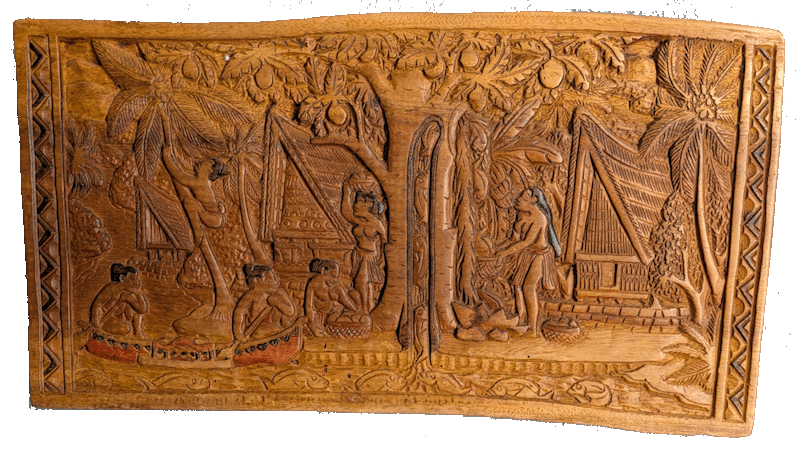 Wooden story board at the local prison in Palau – Micronesia.
The Best EcoTourism Destinations in Micronesia
Palau
• Eco-label: Palau Pledge (sustainable tourism policy). We love the school kid’s pledge!
• Activities: kayaking, snorkeling, sea turtle projects, and cultural village visits.
Pohnpei (FSM)
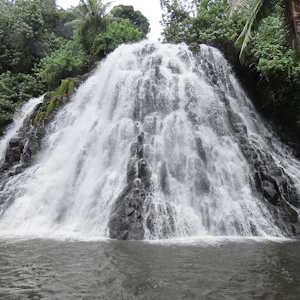
• Must-see: Nan Madol (UNESCO), Kepirohi Waterfall, rainforest.
• Community-based ecotourism.
• Activities: hiking, birdwatching, and experiencing cultural traditions.
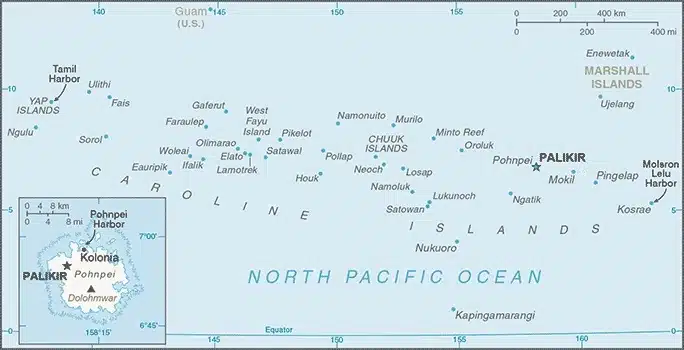 Micronesia Map
Kosrae (FSM)
• Must-see: Lelu Ruins, Menke Forest Trail, Blue Hole.
• Sustainable diving and coral conservation.
• Activities: wreck diving and mangrove excursions.
Suggestions for a 2 week Sustainable Itinerary in Micronesia
Week 1
- Day 1: arrive in Koror, near the airport – stay at one of the Micronesia Eco Lodges.
- Day 2: kayak through the mangroves and Rock Islands.
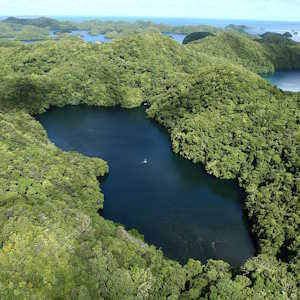
- Day 3: snorkeling in Jellyfish Lake and Long Beach. I did that, it was pretty awesome and they don’t sting!(Lise)
- Day 4: visit Ngardmau Waterfall and traditional villages.
- Day 5: free day – optional: diving, eco-touring or birdwatching.
- Day 6: arrive and relax at one of the Micronesia Eco Lodges.
- Day 7: visit Nan Madol – historical ruins.
Flight from Palau to Pohnpei (Federated States of Micronesia). Nauru Airlines offers a direct flight or you can do a stopover via Guam or Yap on United Airlines.
Week 2
- Day 8: hike to Kepirohi and Liduduhniap waterfalls.
- Day 9: traditional cultural experience in a local village.
- Day 10: snorkeling and sustainable fishing with local guides. Domestic flight to Kosrae (FSM).
- Day 11: arrive and stay at one of the Micronesia Eco Lodges.
- Day 11: arrive and stay at one of the Micronesia Eco Lodge
- Day 12: dive or snorkel in the Blue Hole, famous dive spot or enjoy the reef.
- Day 13: hike in the Menke Forest and visit Lelu Ruins.
- Day 14: relax on the beach.
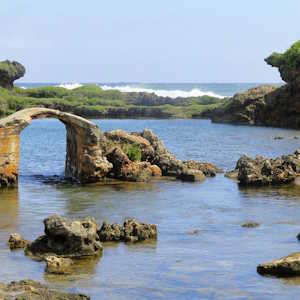
 Guam
Guam- Kepirohi Waterfall
- Jellyfish Lake
Flora and Fauna
Flora – What Grows in Micronesia?
• Tropical rainforest: on islands such as Pohnpei and Kosrae, you’ll find lush jungles full of ferns, orchids, wild ginger, and pandanus trees.
• Mangroves and swamps: these ecosystems are important for biodiversity and coastal richness.
• Coastal vegetation: coconut palms, breadfruit trees, banana plants, and taro dominate many islands.
• Medicinal plants: indigenous knowledge of plant use is still very much alive! You will find it especially in the outer islands. Some of these are Noni (Morinda citrifolia), Kava (Piper methusticum), and Turmeric (Curcuma longa).
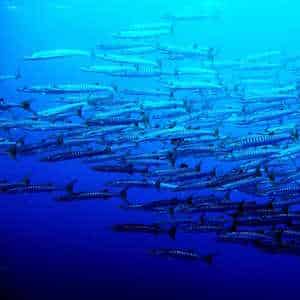 Diving at Palau
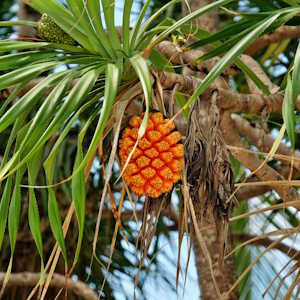 Pandanus tree
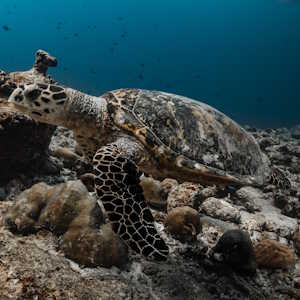 Hawksbill sea turtle
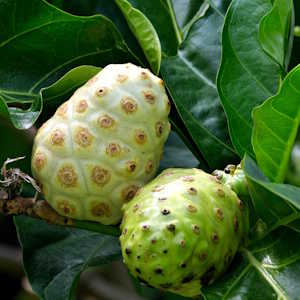 Noni
Noni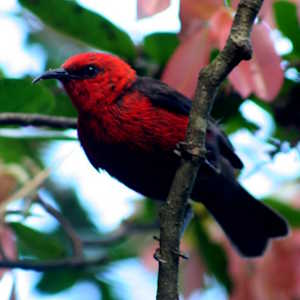 Honey Eater
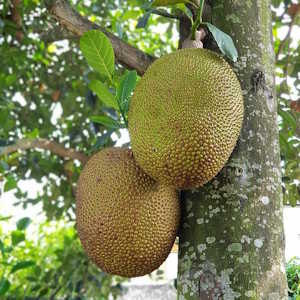 Breadfruit
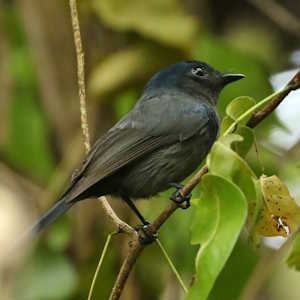 Pohnpei Flycatcher
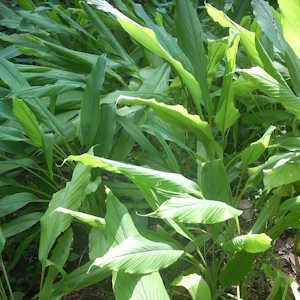 Curcuma longa
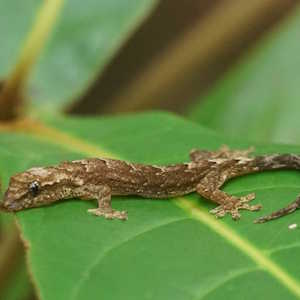 Mourning Gecko
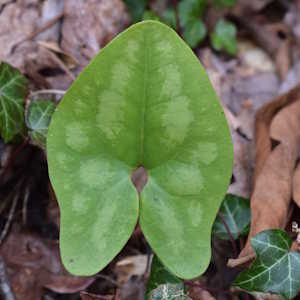 Wild ginger leaf
Fauna – What Animals Can You Spot in Micronesia?
Although land animals are limited by the size of the island, the region is biologically unique:
Birds – endemic species:
- White-fronted ground dove
- Chuuk monarch
- Micronesian imperial pigeon
- Micronesia myzomela
- Pohnpei flycatcher
- Chuuk flycatcher.
Other birds there include: the Pohnpei lorikeet, Palau fruit dove, Kosrae starling, and a number of migratory birds.
Reptiles and amphibians
• Lizards include the emerald tree skink, monitor lizards, an introduced species.
• There are many kinds of geckos including the Mourning Gecko, Pacific Dtella, and Asian House Gecko. • Some skinks can also be found, including Pacific Bluetail Skink and Boettger’ Emo Skink.
• Sea turtles include the Green Turtle (Chelonia mydas) and hawksbills (critically endangered).
Marine life
• The Coral reefs are among the richest in the world, with thousands of species of fish, sharks, rays, turtles, and marine mammals.
• Chuuk Lagoon is a top destination for wreck diving, what it’s primarily known for, in a reef-rich environment.
• Palau is an incredibly rich reef environment to dive, as well as a rich marine life environment.
Small-Scale Nature Conservation Projects
Palau Conservation Society (PCS)
Works with communities on marine conservation, sustainable tourism and environmental education.
Yap Community Action Program (YapCAP)
They manage mangrove and coastal ecosystems together with villagers.
They focus on traditional agriculture and food security.
Kosrae Conservation and Safety Organization (KCSO)
They manage protected fishing areas,
They work on reforestation and train ecotourism guides.
Pohnpei Watershed Conservation
Projects with a focus on reforestation.
Protection of drinking water sources like surface water, groundwater, and rainwater. For example the watersheds of Nanpil and Enipein are crucial for (drinking) water supply.
And Incorporation of indigenous knowledge in rainforest conservation.
Environmental Challenges in Micronesia
Micronesia faces several ecological challenges, despite its remote location:
- Climate change and sea level rise
Many islands are low-lying – a direct threat to villages, coastal ecosystems and agriculture of flooding.
Salinization of agricultural land and drinking water is becoming more common. - Coral bleaching and ocean acidification
Higher Sea temperatures are bleaching reefs are causing marine life to lose their habitat.
Pollution and destructive fishing practices such as blast fishing also threaten the reefs. - Invasive species
Rats, snakes and non-native plants disrupt local ecosystems. They threaten birds and agriculture.
This is especially a problem on islands with endemic species (such as Kosrae and Yap). - Uncontrolled tourism development
Tourism is relatively small-scale. But development puts pressure on ecosystems (mangroves, reefs and freshwater sources).
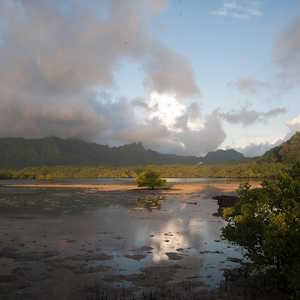
- Kosrae
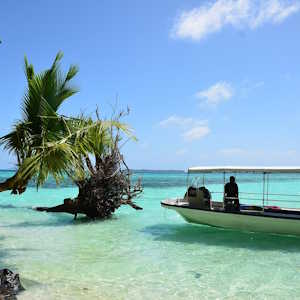
- Palau
Sustainability Policy and Ecotourism of Micronesian Government
Joint regional initiatives between the four independent states:
• Micronesia Challenge (2006): ambition to effectively protect 30% of coral reefs and 20% of forest areas. Supported by local governments and international partners.
• Blue Prosperity Micronesia: focuses on sustainable fisheries, maritime management and ecotourism.
Palau:
• Palau Pledge: mandatory promise from tourists to respect nature.
• Ban on reef-damaging sunscreens.
• Large areas of the ocean are protected as marine reserves.
FSM (incl. Pohnpei, Kosrae, Chuuk, Yap):
• Ecotourism is actively promoted.
• Emphasis on community-based ecotourism, such as guides and homestays.
• Local regulations for fisheries management and conservation.
Micronesia Eco Lodges and Travel Safety
Check in advance about the safety in Micronesia and in the places you plan to visit. You can also consult your country’s official government websites. The Canadian Government has Travel Advisories you can check out.
IMAGE CREDITS > Kepirohi Waterfall. Image by Uhooep. Wikimedia C.C. 4.0. > Jellyfish Lake on Eil Malk Island, Palau. Image by Lukas. Wikimedia C. C. 2.0. > Palau beach Image by JAY PARK from Pixabay. > Guam. Free for use on pixabay. Kosrae. Image by Geoffrey Rhodes. Wikimedia C. C. 2.0. > Breadfruit tree. Image by Self Defense Keychain from Pixabay. > Wild ginger. Image by Jan Haerer from Pixabay.
Pandanus tree. Image by ??????? from Pixabay. > Noni. Image by hartono subagio from Pixabay. > Curcuma longa. Image by Manojk. Wikimedia C. C. 3.0. Palau fauna. Image by kuriharazusa from Pixabay. Micronesian Myzomela (Myzomela rubratra). Image by Peter. Wikimedia. C. C. 2.0. Pohnpei Flycatcher in Nan Madol, Pohnpei Island. Image by thibaudaronson. Wikimedia C.C. 4.0. Mourning Gecko (Lepidodactylus lugubris). Image by Tim. Wikimedia C.C. 4.0. > Hawksbill turtle. Image by Franziska Stier from Pixabay
Leave a Reply
Want to join the discussion?Feel free to contribute!