
Philippines Eco Lodges
Discover the natural wonders of the islands with Philippines Eco Lodges. They are your perfect base for an unforgettable, sustainable adventure! From Palawan’s lush rainforests to Siargao’s crystal-clear waters. As well as Luzon’s volcanic landscapes, the Philippines offers ecotourists a rich blend of biodiversity and cultural heritage. Whether you’re snorkeling in coral reefs or hiking to hidden waterfalls, Philippines Eco Lodges promise a truly green getaway.
Philippines Eco Lodges And Resorts
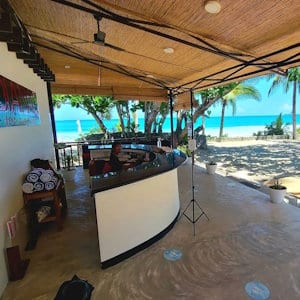
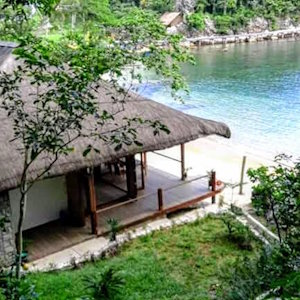

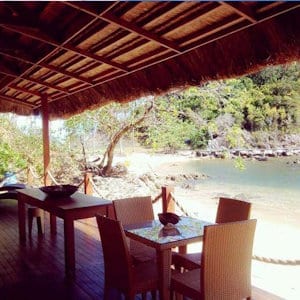
Ecotourism in the Philippines
The Philippines consists of over 7,600 islands. It boasts impressive biodiversity and a growing ecotourism sector. Ecotourism is becoming increasingly important here. It combines conservation with community development. Numerous initiatives connect tourists with local communities and protect natural areas.
Popular forms of ecotourism include:
- Hiking and wildlife tours in national parks such as Mount Apo and Northern Sierra Madre.
- Snorkeling and diving in marine reserves such as Tubbataha Reefs and Apo Island.
- Birdwatching in areas like Candaba Swamp or Olango Island.
Best Ecotourism Destinations in the Philippines
Palawan
Highlights: Puerto Princesa Subterranean River, El Nido municipality, Bacuit Archipelago.
Features: sustainable tour operators, strict environmental regulations, and marine protected areas.
Bohol
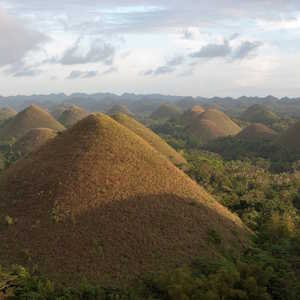
Highlights: Tarsier Sanctuary, Loboc River, and Chocolate Hills, named that because the grasses on the hills turn a chocolate brown in the dry season.
Features: community-based eco-projects, nature parks, and protected areas.
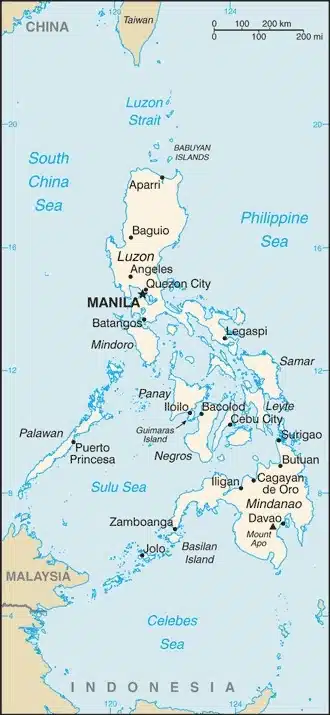 Philipinnes Map
Siquijor
Highlights: waterfalls, mangrove forests, and coral reefs.
Features: quiet, small-scale tourism, and local sustainability efforts.
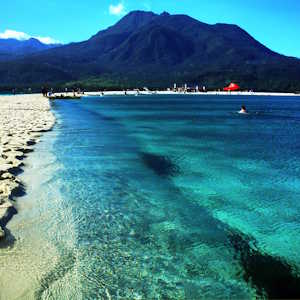
Camiguin
Highlights: volcanic landscapes, waterfalls, and hot springs.
Features: small-scale island tourism, nature parks, and eco lodges.
Northern Luzon Heroes Hill National Park
Highlights: Banaue rice terraces, Sagada caves, and forests.
Features: cultural heritage and nature conservation go together here.
Suggestions for a 2 week Sustainable Itinerary in the Philippines
Week 1
Day 1–3: Manila (Arrival — Culture, and Eco-Museum).
- Explore Intramuros, Manila’s 16th-century walled city, on foot or by bike tour.
- Overnight in one of the Philippines eco lodge.
Day 4–6: Bohol — Quickest to fly but you can also take the ferry.
- Go diving or snorkeling with local NGO’s.
- Visit the Tarsier Sanctuary and take a tour on the Loboc River.
Week 2
Days 7–9: Siquijor — Many ways to travel.
- Explore waterfalls, mangroves, and participate in a beach clean-up.
Days 10–12: Palawan (El Nido or Port Barton) Take a flight or ferry.
- Enjoy sea kayaking, reef snorkeling, and island hopping.
Days 13–14: return to Manila.
 Camiguin island
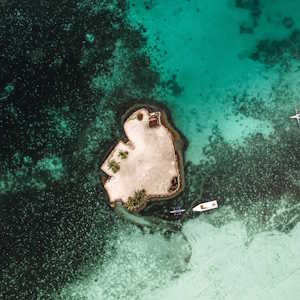
- Bohol
Flora and Fauna
The Philippines is a varied hotspot with many endemic species.
Flora – What Grows In the Philippines?
- Endemic Flora: Rafflesia philippensis, Dipterocarp trees, Philippine teak (critically endangered). As well as Katmon, and Molave.
- Threatened or Endangered Species: Almaciga, Yakal, Mangkono, and Tindalo.
- Economically and ecologically Important Plants: Coconut palm, Banaba, Mangroves and Bamboo species.
- Narra (Pterocarpus indicus) is the National tree of the Philippines.
- Medicinal plants and traditional medicinal herbs are widespread. Some examples that are recognized both in folk medicine and by the Department of Health (DOH). These include Lagundi which is used coughs, asthma, and colds. Sambong is used for kidney stones, urinary tract infections, and as a diuretic. Tsaang Gubat helps against stomach pains, diarrhea, and as a mouthwash for gum problems.
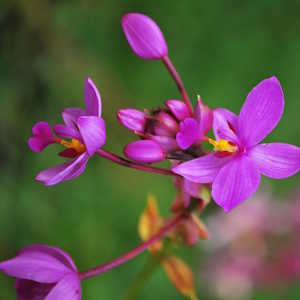 Ground orchid
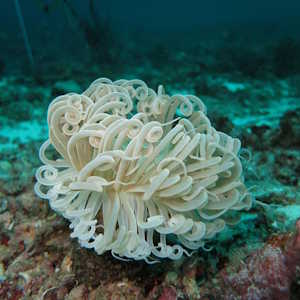 Anemone
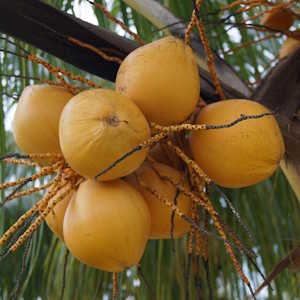 Coconut palm infrutescence
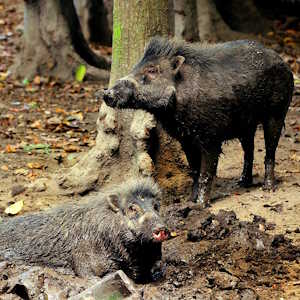 Visayan Warty Pigs
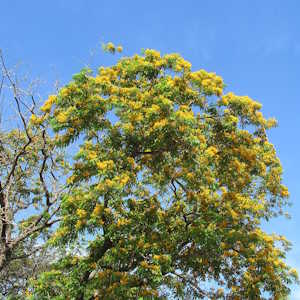 Pterocarpus indicus
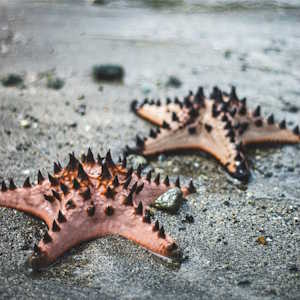 Starfish
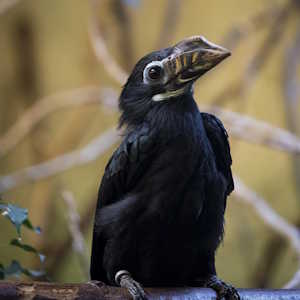 Tariktik-horn bird
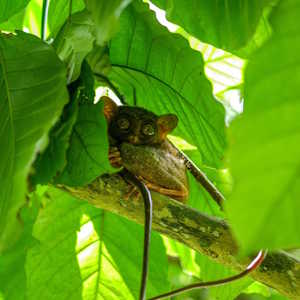 Tarsier
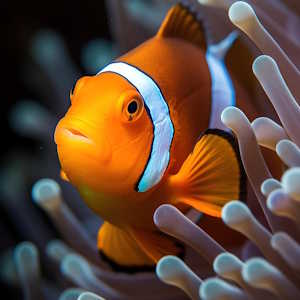 Clownfish
Fauna – What Animals Can You See In the Philippines?
Small-Scale Nature Conservation Projects
Here are inspiring projects where ecotourists are welcome or can contribute:
Tarsier Conservation Area
Location: Bohol
Focus: conservation of Philippine tarsiers, education, and small-scale ecotourism.
Note: created by local conservationists, not a commercial zoo.
Apo Island Marine Sanctuary
Location: The Province of Negros Oriental.
Focus: community management of the protected reef.
Note: an example of successful marine conservation by local fishermen.
The Mabuwaya Foundation
Location: Luzon
Focus: protects the critically endangered Philippine crocodile.
Note: works with villages for habitat protection and ecotourism.
Danjugan Island
Location: The Province of Negros Oriental.Management: island managed by The Philippine Reef and Rainforest Conservation Foundation.
Activities: sustainable tourism, environmental education, and nature research. They offer some overnight options.
Environmental Challenges in the Philippines
- Deforestation
Causes: illegal logging, mining, and agricultural expansion.
Impact: only about 23% of the original forests remain intact. - Coral Bleaching and Destruction of Marine Ecosystems
Causes: climate change, overfishing, dynamite fishing, and tourism.
Impact: only 1% of coral reefs are still in “excellent” condition. - Plastic Pollution
Fact: The Philippines is among the top 3 countries contributing to ocean plastic.
Reason: poor waste infrastructure plays a major role. - Climate Change
Impacts: more and heavier typhoons, rising sea levels, and degradation of ecosystems. - Mining
Impact: large-scale mining damages biodiversity, rivers, and communities.
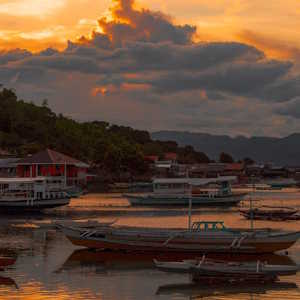
- Sunset Philippines Port
- Chocolate Hills
Philippines Policy on Ecotourism and Sustainability
Positive Steps:
- National Ecotourism Strategy (NES): focuses on sustainable tourism development, biodiversity protection, and community involvement.
- Biodiversity Management Bureau (BMB): dedicated to biodiversity conservation.
Challenges:
- NGOs and communities often play a bigger role than the government.
- Enforcement is often weak, especially at the local level.
- The influence of large corporations and corrupt practices are obstacles.
Philippines Eco Lodges and Travel Safety
We recommend that you always check the safety situation in the country you want to visit. Be careful with information you find online. You can also consult your country’s official government website. The Canadian Government has Travel Advisories on the Philippines.
IMAGE CREDITS > Philippines Bohol Image by Victor Jr Jomoc from Pixabay. > Coastline of Camiguin island. Image by justDONQUE. Wikimedia C. C. 2.0. > Tarsus at Bohol. Image by giulianabencovich from Pixabay. > Ground orchid, Image by Mark Miller from Pixabay. > Anemone, Soft coral, Image by Arhnue Tan from Pixabay.> Coconut palm. Image by Fernando Hernandez from Pixabay. > Visayan Warty Pigs. Image by Shukran888. Wikimedia C.C. 4.0. > Pterocarpus indicus. Image by Zarate123 Wikimedia C.C. 4.0. > Starfish. Image by John Cedrick Bermudez from Pixabay. > Tariktik-horn bird. Penelopides panini. Image by Bruno from Pixabay. > Tarsier. Image by Philipp from Pixabay. > Clownfish. Image by VirgoStudio from Pixabay. > Port. Sunset. Image by Dmitriy Groshikov from Pixabay. Bohol Hills, Chocolate Hills, Central Visayas, Philippines. Image by Vyacheslav Argenberg. Wikimedia C.C. 4.0.