
Jamaica Eco Lodges
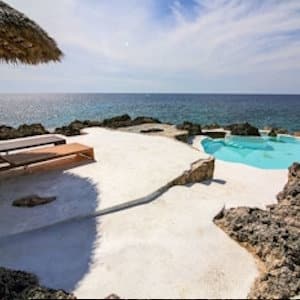
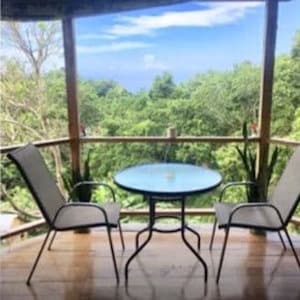
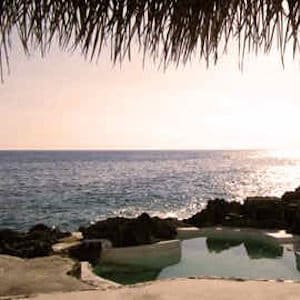
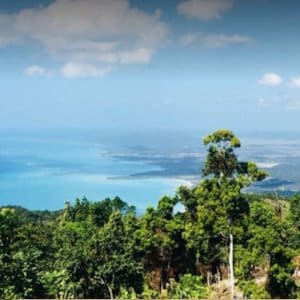
Immerse yourself in the vibrant Caribbean spirit, and stay at one of the beautiful Jamaica Eco Lodges. Jamaica offers much more than beaches and reggae. It is also an exciting ecotourism destination. Many eco-friendly activities are available across the island. Nature lovers will find endless opportunities.
Jamaica Ecolodges And Resorts
Jamaica Ecotourism
One of the motto’s in Jamaica is “Out of many, one people”. This stems from the varied backgrounds of the people that settled there. African slaves were brought in to work the plantations. The slaves were emancipated in 1838. After that, Chinese and Indian citizens were brought in as indentured servants to serve the plantations. Nowadays there is a mixture of African, European, Chinese, Indian, Hakka and mixed-race minorities.
Jamaica has long stretches of white sandy beaches and nice reefs for snorkeling or scuba diving. The country also has an African influence worth experiencing. Sustainability is moving to the forefront because so many tourists visit and can be hard on the ecosystems. This is what we like to see and encourage. When you visit, please do your part to promote sustainability by the choices you make in lodging.
Explore lush rainforests and tropical landscapes. Swim beneath crystal-clear waterfalls. Hike the famous Blue Mountains. Visit organic coffee farms in the highlands. Jamaica Eco Lodges support conservation and local communities.
Tips for Traveling Sustainably in Jamaica
Choose Jamaica eco lodges and green hotels and use sustainable transport, for example, the Knutsford Express (long-distance buses). Don’t forget to check our 40+ Tips for Traveling Sustainable in Jamaica.
The Best EcoTourism Destinations in Jamaica
It takes typically 14 to 16 hours to drive around Jamaica. While it can be done in 2 days, it’s much more fun to plan a few days more to explore the island and enjoy the scenery. Most of Jamaica eco lodges are located on the coast.
Blue and John Crow Mountains National Park
• UNESCO World Heritage Site with misty forests, waterfalls and unique flora and fauna.
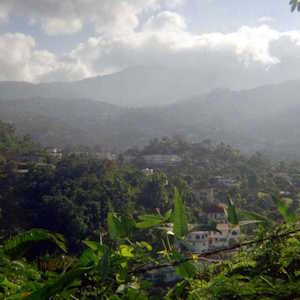
• Hike to the top of Blue Mountain Peak (2,256 meters/7,402 feet) for breathtaking views.
• Visit sustainable coffee farms like Rocksteady Mountain Coffee Farm.
Great Pedro Bluff is located within The Treasure Beach area.
• Small-scale, sustainable fishing village with Jamaica eco lodges. Supports nature conservation and education.
• Discover pristine beaches and local community projects.
• Unique place to see hummingbirds and other birds up close.
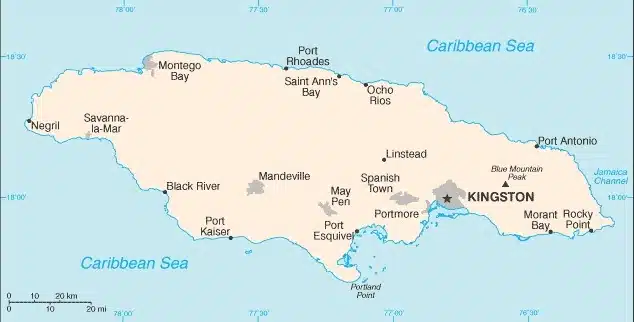 Jamaica Map
Holywell Recreational Park
• Cool mountain rainforest in the Blue Mountains.
• Perfect for camping and hiking along eco-trails.
Dunn’s River Falls.
Is one of Jamaica’s best known attractions. The falls are 600 feet/183 meters tall. Rock ledges provide a series of stairs so that it’s easier to access the top.
Rio Grande
Bamboo rafting on the Rio Grande, a sustainable way to explore nature.
Oracabessa Bay where the James Bond Beach is located
• Eco-projects such as Oracabessa Bay Turtle Project (turtle conservation).
• Sustainable snorkeling and diving in the coral reefs.
Cockpit Country
• Karst landscape, distinctive, with caves, rare plants and rivers.
• Ideal for caving, hiking and birdwatching.
• Protected area.
Black River
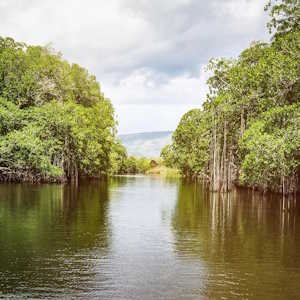
Black River Safari to spot mangroves and crocodiles.
Suggestions for a 2 week Sustainable Itinerary in Jamaica
Week 1
Day 1-3: Kingston and Blue and John Crow Mountains National Park
• Explore Hope Botanical Gardens.
• Visit an organic coffee plantation.
• Hike Blue Mountain Peak, located in the most south-eastern part of the park.
Day 4-6: Portland Parish and East Coast of Jamaica
• Snorkel at Boston Bay or Winifred Beach.
• Visit Reach Falls and swim in natural pools located there.
Week 2
Day 7-9: Cockpit Country and Black River
• Hike and birdwatch in Cockpit Country.
• Explore the Black River and mangroves in the river by non-motorized-boat.
Day 10-12: Oracabessa and North Coast of Jamaica
• Volunteer at the Oracabessa Bay Turtle Project. Find them on Social Media.
• Kayak through mangroves.
Day 13-14: Rocklands Bird Sanctuary
• Visit Rocklands Bird Sanctuary and feed hummingbirds.
 Blue Mountains
- Black River
Flora and Fauna
Jamaica has a unique biodiversity with many endemic species. This includes different birds, the non-venomous Jamaican Boa, the Jamaican Iguana and others.
Flora – what grows in Jamaica?
- Mahogany, bamboo and palm trees are widespread.
- Jamaican orchids and hibiscus are striking flowers found in Jamaica.
- Guanabana (soursop) and ackee grow on the island and are used locally in food dishes.
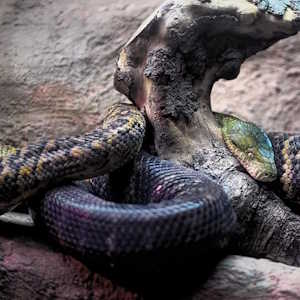 Jamaican Boa
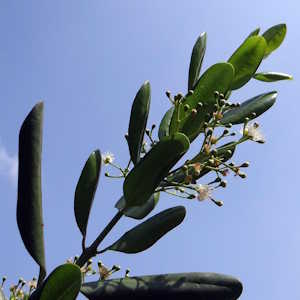 Pimiento sarangib
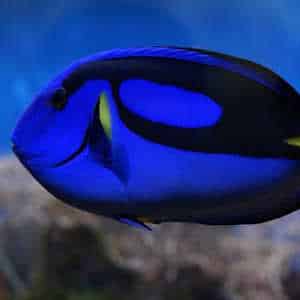 Surgeonfish
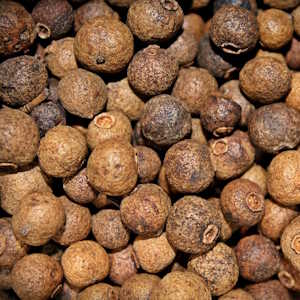 Pimiento
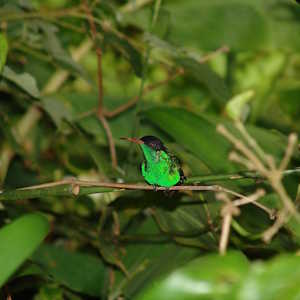 Doctors bird
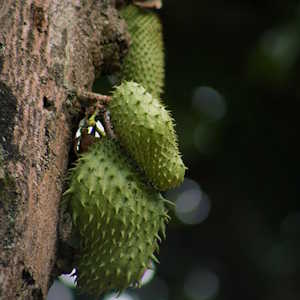 Guanabana
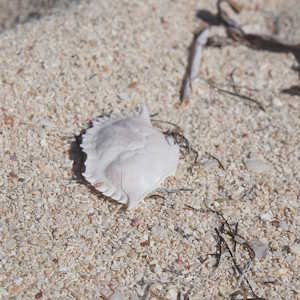 Crab shell
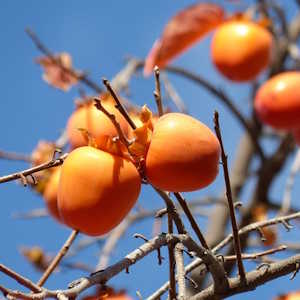 Lignum Vitae Fruit
Fauna – what animals can you spot in Jamaica?
- Jamaican hutia/Jamaican coney (Geocapromys brownii – a rare rodent only found on the island.
- Surgeonfish and parrotfish – important species for the marine ecosystem.
- Jamaican boa – a non-venomous snake that helps maintain ecosystem balance.
- Doctor Bird/The red-billed streamertail (Trochilus polytmus) – Jamaica’s national bird.
- Crocodiles in the Black River and sea turtles along the coasts.
Examples of Small-scale Conservation Projects in Jamaica
Want to make a positive impact on the environment and local communities during your trip? Here are some ways you can get involved:
Oracabessa Bay Turtle Project
• Tourists can help protect sea turtles: nest monitoring, beach cleaning, and releasing baby turtles.
• See link above in sustainable itinerary.
• Best time: May – October (nesting season).
Rocklands Bird Sanctuary
• Protects Jamaica’s native birds, including the pennant-tailed hummingbird.
• Offers ecotourism activities such as bird watching and educational tours.
• Contribute to bird research and habitat conservation.
• Help feed the rare Doctor Bird (Waitertail Hummingbird).
Boscobel Marine Sanctuary
• Sandals Foundation work closely with sustainable projects.
• Local fishermen work with the project to promote sustainable fishing.
• Participate in reef restoration and marine conservation.
• Help with the release of young fish and reef cleaning.
• Eco-snorkeling or scuba diving opportunities with educational programs.
Jamaica Conservation and Development Trust
• Manages and protects the Blue and John Crow Mountains.
• Organizes reforestation projects and sustainable tourism.
Environmental Challenges in Jamaica
Jamaica’s natural environment is threatened by several environmental issues, these include:
- Illegal Hunting and Endangered Species
The Jamaican boa and moderately large rodent, the hutia, are threatened by habitat loss and the illegal trade. Overfishing (parrotfish, conch, lobster, and various snapper species) is depleting marine biodiversity. - Deforestation
The Blue Mountains and Cockpit Country are vulnerable areas because of mining, deforestation, and agricultural expansion.
Illegal logging and agriculture are expanding, causing forests to disappear. - Coral Reef and Marine Pollution
Uncontrolled coastal development and overtourism are damaging coral reefs.Chemicals from sunscreens and agriculture are damaging marine life. - Climate Change and Natural Disasters
Jamaica is prone to hurricanes and droughts, which are damaging ecosystems. Rising sea levels are threatening beaches and mangroves. - Plastic Waste and Pollution
High levels of litter and lack of proper waste management. Microplastics end up in the ocean, killing marine animals.
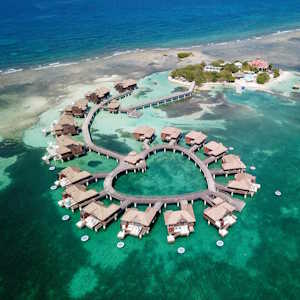
- Ocean hotel in Jamaica
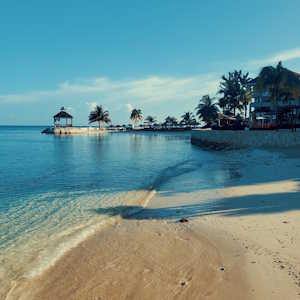
- Beach front in Montego Bay
Government of Jamaica Ecotourism and Sustainability Policy
Jamaica is taking steps towards more sustainable tourism policies:
- Protected Areas and National Parks
Blue and John Crow Mountains National Park and Cockpit Country are given additional protection. This is done through a combination of legal frameworks, conservation efforts, and community engagement.
Marine Protected Areas (MPAs) protect coral reefs and marine life. - National Development Jamaica
National Development plan for sustainable and inclusive development. - Sustainability Initiatives in Tourism
The government is promoting Jamaica eco lodges and sustainable travel options.
Key Elements of Jamaica’s Sustainable Tourism Program are Green Certification Programs like Green Globe, EarthCheck and Green Key. - Plastic and Styrofoam Ban
Since 2019, plastic bags, straws and Styrofoam containers have been banned to reduce pollution. - Climate Policy and Sustainable Energy
Investing in solar and wind energy to reduce dependence on fossil fuels.
Jamaica Eco Lodges and Travel Safety
Check in advance about the safety in Jamaica and in the places you plan to visit. You can also consult your country’s official government websites. The Canadian Government has a Travel Advisory for Jamaica/
IMAGE CREDITS > Blue Mountains. Image by Bz3rk at wts Wikivoyage. C. C. 3.0. > Black River. Met mangrove Image by Peter Kaul from Pixabay. > Jamaican boa. Image by Angela from Pixabay. > Pimento. Image by Kati from Pixabay. > Jamaica pepper. Image by Bishnu Sarangi from Pixabay. > Pallet surgeonfish. Image by M W from Pixabay.> Doctors bird. Image by Peggy und Marco Lachmann-Anke from Pixabay.> Guanábana. Image by Marco Montoya from Pixabay. > Crab shell, Beach. Image by Brian Gibbs from Pixabay. > Hotel in the ocean. Image by Gianluca Ferro from Pixabay. Beach front in Montego Bay. Image by 12510kid from Pixabay. > Lignum vitae. Image by Marc Pascual from Pixabay.
Leave a Reply
Want to join the discussion?Feel free to contribute!