
Brazil Eco Lodges
Brazil Eco Lodges are top destinations for South America Ecotourism and nature travel. The country protects vast rainforests, wetlands, waterfalls, as well as tropical coastlines. The Amazon rainforest hosts varied biodiversity and the Pantanal offers some of the best wildlife viewing. Travelers can stay in eco-lodges deep in nature. These lodges combine comfort, conservation, and authentic local experiences.
Brazil Eco Lodges And Resorts
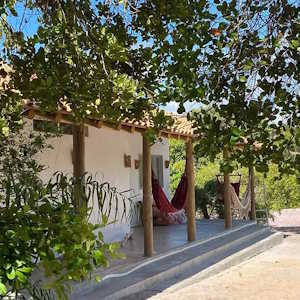
 Samaya Corumbau Bungalow
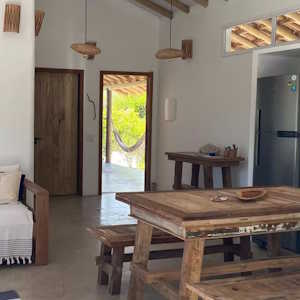
- Samaya Corumbau bungalow inside
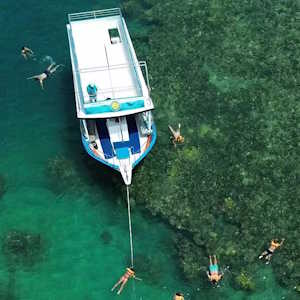
- Snorkel Tour in Corumbau
Brazil Ecotourism
Brazil Eco Lodges provide immersive access to the country’s most spectacular ecosystems. Many lodges operate in remote natural areas such as the Amazon, Pantanal, and Atlantic Forest. They focus on sustainability and conservation. Solar energy, local food, and responsible waste management are common practices.
Guests can explore forests, rivers, and wetlands with expert naturalist guides. Activities include wildlife watching, canoe trips, birding, and rainforest hikes. Monkeys, macaws, and river dolphins are often seen. Less like to be seen are jaguars (endangered). Many lodges support local communities and conservation programs. Staying at a Brazil Eco Lodge allows travelers to experience nature responsibly while protecting biodiversity.
Brazil Top Destinations
Amazon Rainforest (Amazonas, Pará, Rondônia and Acre)
The largest rainforest in the world with incredible biodiversity. Highlights are:
• Wildlife-spotting: pink river dolphins, jaguars (rarer), sloths, and toucans.
• Boat trips on the Amazon and Rio Negro.
• Visits to indigenous communities (e.g. Tucano and Yanomami)
• Nature reserve Mamirauá, a Sustainable Development Reserve.
Pantanal (Mato Grosso and Mato Grosso do Sul)
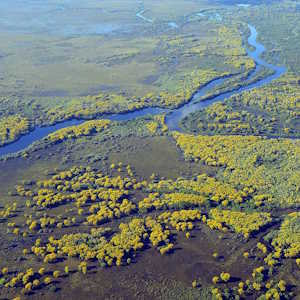
The largest wetland in the world and the best place to see jaguars in the wild. The highlights are:
• Jaguar and anaconda spotting in Porto Jofre.
• Boat rides and horseback riding through swamps.
• Encounters with capybaras, caimans and giant otters.
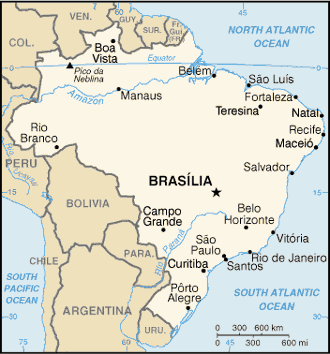 Brazil Map
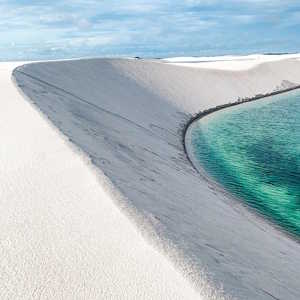
Lençóis Maranhenses
Location: Maranhão – northeastern Brazil
“A surreal landscape of dunes and lagoons”.
Highlights:
• Swimming in crystal clear lagoons among white sand dunes.
• Visiting the Parque Nacional dos Lençóis Maranhenses.
• Sandboarding near and kayaking on the Preguiças River. Because it is a National Park with fragile dunes, sandboarding is restricted in many areas to protect the landscape.
Chapada dos Veadeiros
Location: Goiás – Cerrado Savanna
Unique savanna landscapes, crystal clear waters and biodiversity.
Highlights:
• Hiking through Cachoeira Santa Bárbara and Vale da Lua (lunar landscape).
• Exploring the Cerrado, one of the oldest ecosystems in the world.
• Spotting giant anteaters, toucans and wolves.
Fernando de Noronha
Location: Pernambuco – Atlantic Ocean
An archipelago paradise with protected natural areas and marine life.
Highlights:
• Snorkeling and spotting sea turtles and dolphins at Baía do Sancho in a responsible manner.
• Diving coral reefs with colorful tropical fish.
• Beaches with limited visitor numbers for conservation.
• Strict sustainability requirements: tourists pay an ecotax.
Suggestions for a 2 week Sustainable Itinerary in Brazil
Brazil is so big that it is impossible to avoid traveling by plane. This route uses Cuiabá as a central hub, which offers good flight connections between the North and South. The focus is on the three most iconic and logically connected biomes: the Amazon, the Pantanal, and Iguazu Falls.
Week 1 – Urban Nature and deep Jungle
- Day 1: Arrive in Rio de Janeiro. Walk the Botanical Garden to see over 6,000 species of tropical plants.
- Day 2: Hike in Tijuca National Park. It is the world’s largest urban rainforest. Spot monkeys and colorful toucans.
- Day 3: Visit Sugarloaf Mountain at sunset. Enjoy panoramic views of the Atlantic Forest meeting the sea.
- Day 4: Fly from Rio de Janeiro to Manaus. Transfer by boat to a remote Amazon Eco Lodge.
- Day 5: Canoe through Igapós (flooded forests). Look for pink river dolphins and prehistoric-looking Hoatzin birds.
- Day 6: Take a guided jungle hike. Learn about medicinal plants like Andiroba and Guaraná.
- Day 7: Visit a local Caboclo community. Learn about sustainable rubber tapping and rainforest life.
Week 2 – Wildlife Safari and The Great Waters
- Day 8: Fly from Manaus to Cuiabá. Drive the Transpantaneira highway, a famous dirt road for spotting wildlife.
- Day 9: Take a boat safari in Porto Jofre. This is the best place on Earth to spot Jaguars in the wild.
- Day 10: Explore the wetlands on horseback or foot. Spot Giant Anteaters, Capybaras, and hundreds of Hyacinth Macaws.
- Day 11: Enjoy a sunrise birdwatching tour. The Pantanal has over 600 bird species.
- Day 12: Fly from Cuiabá to Foz do Iguaçu. Relax at your eco-lodge near the park entrance of Iguaçu Falls.
- Day 13: Explore the Brazilian side of the falls for panoramic views. Visit the Parque das Aves to see rescued tropical birds.
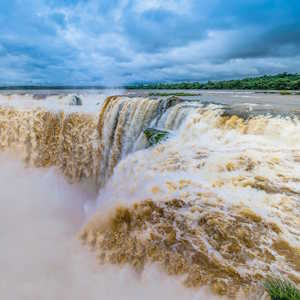
- Day 14: Cross to the Argentine side to stand above the Devil’s Throat for a great view of Iguazu Falls. Depart from Foz do Iguaçu to Iguaçu airport.
- Lençóis Maranhenses National Park
- Iguazu Devils throat
- Sugarloaf Mountain

Flora and Fauna
Flora – What Grows In Brazil?
- Brazil Nut Tree (Bertholletia excelsa). This giant Amazon tree produces Brazil nuts and supports complex rainforest ecosystems.
- Kapok Tree (Ceiba pentandra). A towering rainforest tree with huge buttress roots and important habitat value. In Brazil it is know as “Queen of the Forest.”
- Rubber Tree (Hevea brasiliensis). This Amazon species produces natural latex used to make rubber.
- Jacaranda brasiliana. A tropical tree famous for its striking purple flowers.
- Pau-Brasil (Paubrasilia echinata). Brazil’s national tree once used for red dye and now protected.
Medicinal Plants:
- Guaraná (Paullinia cupana). An Amazon plant whose seeds contain natural caffeine and medicinal compounds.
- Jaborandi (Pilocarpus spp.). A medicinal plant used in treatments for eye conditions.
- Andiroba (Carapa guianensis). Rainforest oil from this plant works as a natural insect repellent.
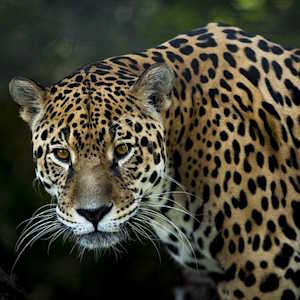 Jaguar
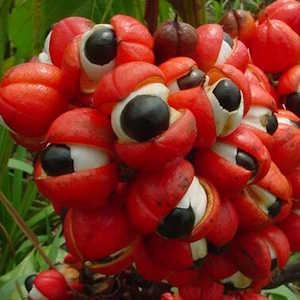 Paullinia Cupana
 Pink River Dolphin
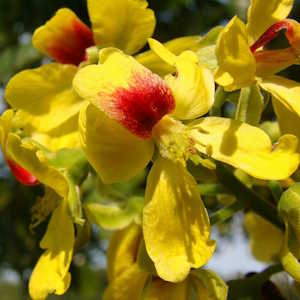 Paubrasilia Echinata
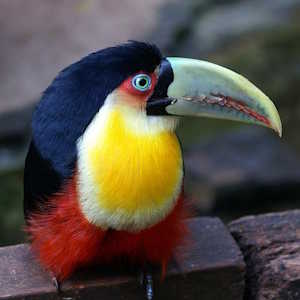 Toucan
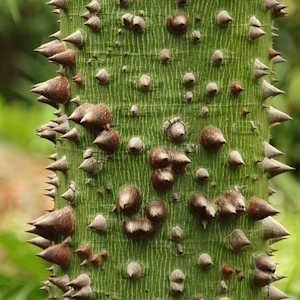 Kapok Tree
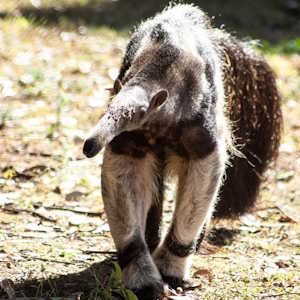 Giant Anteater
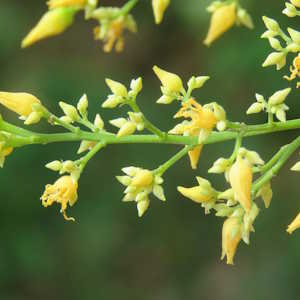 Rubber Tree Leaves
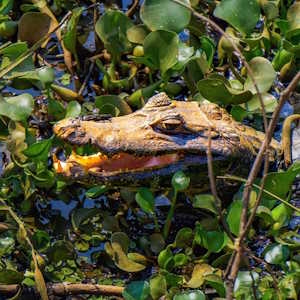 Caiman in the Pantanal
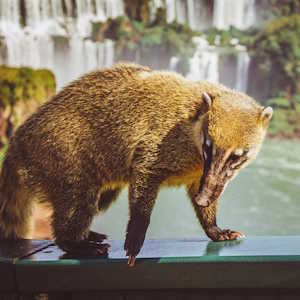 Coati at Iguazu Waterfall
Fauna – What Animals Can You Spot In Brazil?
Mammals
- Jaguar (Panthera onca). Listed as vulnerable in Brazil. The largest predator in the Americas and a highlight of Pantanal wildlife safaris.
- Capybara (Hydrochoerus hydrochaeris). The world’s largest rodent often seen near rivers and wetlands.
- Giant Anteater (Myrmecophaga tridactyla). A unique insect-eating mammal with a long snout and bushy tail.
- Amazon River Dolphin (Inia geoffrensis). A pink freshwater dolphin that lives in the Amazon river system.
- Sloth (Bradypus spp.). A slow tree-dwelling mammal that spends most of its life in rainforest canopies.
Birds
- Hyacinth Macaw (Anodorhynchus hyacinthinus). The largest flying parrot and a spectacular sight in the Pantanal.
- Harpy Eagle (Harpia harpyja). A powerful rainforest eagle that hunts monkeys and sloths. It is endangered in Central America.
- Toco Toucan (Ramphastos toco). An iconic tropical bird known for its large colorful beak.
Small-Scale Nature Conservation Projects
Small conservation initiatives play an important role near many Brazil Eco Lodges. They protect wildlife, restore forests, and support local communities. Travelers can often visit these projects during eco-tours.
Instituto Terra
This inspiring project restores degraded Atlantic Forest in southeastern Brazil. Millions of native trees have been planted. Wildlife is slowly returning. The project shows how restoration works in practice. They also educate people and work on sustainable rural development.
Projeto TAMAR
Projeto TAMAR protects endangered sea turtles along Brazil’s coastline. Scientists monitor nesting beaches and educate local communities. Visitors near many coastal Brazil Eco Lodges can learn about marine conservation.
Onçafari Jaguar Conservation
Onçafari works to protect jaguars and maned wolves in the Pantanal. The organization also supports research, habitat protection, and wildlife tourism. Many eco lodges collaborate with this project. Their aim is to conserve biodiversity.
Instituto Arara Azul
This project protects the endangered Hyacinth Macaw in the Pantanal. Researchers monitor nests and protect habitat. Their work helped increase macaw populations in recent decades. They promote environmental conservation.
Environmental Challenges in Brazil
Even with strong conservation efforts, several environmental threats affect ecosystems near many Brazil Eco Lodges.
- Deforestation
Large areas of rainforest are cleared for agriculture and cattle ranching. Habitat loss threatens biodiversity and increases carbon emissions. - Illegal Mining
Gold mining damages rivers and forests. Mercury pollution harms wildlife and Indigenous communities. - Wildfires
Forest fires destroy ecosystems and release large amounts of carbon. Drier conditions increase fire risk. - Illegal Wildlife Trade
Poaching and wildlife trafficking threaten rare birds, reptiles, and mammals. - Climate Change
Rising temperatures and shifting rainfall patterns affect rainforest stability, wetlands, and coastal ecosystems.
- Pantanal Wetlands
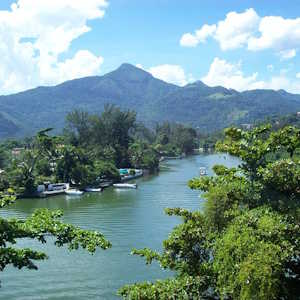
- Barra de Tijuca
Brazil’s Policy on Ecotourism and Sustainability
Brazil actively promotes sustainable tourism and conservation. Many policies support nature protection and responsible travel. These policies directly benefit Brazil Eco Lodges and ecotourism operators.
National System of Conservation Units (SNUC)
Brazil created a network of protected areas across the country. National parks and reserves protect biodiversity while allowing responsible tourism activities.
ARPA Program – Amazon Region Protected Areas
ARPA is one of the world’s largest conservation programs. It protects millions of hectares of rainforest and supports sustainable tourism initiatives. Many Amazon eco lodges operate within these protected landscapes.
Brazilian Ecotourism and Sustainable Tourism Policies
The Ministry of Tourism promotes responsible tourism development. Programs encourage conservation, community participation, and sustainable lodging practices.
Atlantic Forest Restoration Pact
This long-term initiative restores large areas of the Atlantic Forest. Reforestation supports biodiversity and sustainable tourism opportunities near many Brazil eco lodges.
Brazil Eco Lodges and Travel Safety
Before booking your Brazil Eco Lodges, check the safety situation in the country and in the areas you plan to visit. If you get some first-hand information, great, but do some fact-checking. Not everything you read on social media channels is true.
You can also consult your country’s official government website. The Canadian Government Travel Advisories for Brazil.
IMAGE CREDITS > Sugarloaf Mountain. Image by Jose Guertzenstein from Pixabay. > Iguaza Devil’S Throat. Image by Heiko Behn from Pixabay.> Maranhenses national park. Image by Glauco Glauco from Pixabay.> Toucan. Image by Monika Neumann from Pixabay. >Kapok tree. Image by meineresterampe from Pixabay. >Hevea brasiliensis. Rubber tree. Image by Vinayaraj. Wikimedia C.C. 4.0 > Caiman in Pantanal. Image by Leonardo Inglesi from Pixabay.
> Coati at Iguazu waterfalls.Image by José Joey from Pixabay. > Jaguar. Image by Nicolás from Pixabay.> Paullinia cupana. Image by AnitaFortis. Wikimedia C.C.3.0. > Pink river dolphin (Inia geoffrensis). Image by Diogo Luiz. Wikimedia C.C.4.0. > Paubrasilia echinata. Image by Mauroguanandi. Wikimedia Public domain. > Pantanal. Image by Jose Sabino from Pixabay. Giant Anteater. Image by Nicolette Villavicencio. > Barra de Tijuca. Image by farfallacomunicacao0 from Pixabay
Leave a Reply
Want to join the discussion?Feel free to contribute!