
Thailand Eco Lodges
Embrace the spirit of sustainable travel with Thailand Eco Lodges! From Chiang Mai’s misty mountains, Khao Sok’s tropical rainforests, and the Andaman Sea’s serene islands, Thailand offers ecotourists a paradise of landscape and adventure. Stay in eco-friendly lodges whether you’re spotting elephants, exploring mangroves, or immersing yourself in local traditions.
Thailand Ecolodges And Resorts
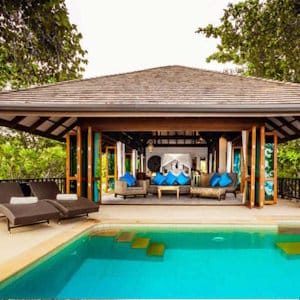


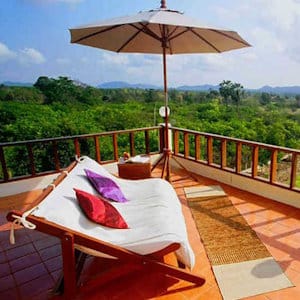
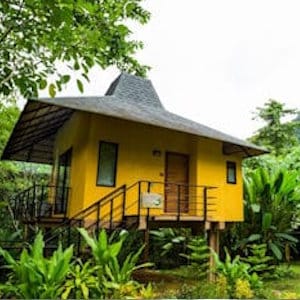
Ecotourism in Thailand
Thailand is a true paradise for nature lovers and ecotourists. The country has a growing ecotourism industry. The industry focuses on preserving biodiversity and supporting local communities. Numerous initiatives allow for sustainable travel and lodging. These include community-based tourism (CBT), wildlife sanctuaries, organic farms, and nature parks. Adventure awaits kayaking through mangroves, jungle trekking with local guides, or volunteering on elephant conservation projects.
Sustainable Travel in Thailand – Tips
- The night train to Chiang Mai is a classic, and much more environmentally friendly than flying.
- Choose homestays or Thailand eco lodges as lodging.
- Wear appropriate clothing in villages and temples. It is not appropriate to show too much skin.
- Find more tips on our Sustainable Travel Tips page.
To see our Eco Lodges and Tours please go here: Sustainable Lodges-Tours
Thailand Top Destinations
Chiang Mai and Chiang Rai, in Northern Thailand
Activities: community-based tourism, jungle trekking, and permaculture farms.
Eco-tips: visit the Elephant Nature Park (an elephant sanctuary without rides). Alternatively, stay with local Karen or Lahu communities.
Mae Hong Son
Description: remote and unspoiled, ideal for nature lovers.
Activities: hiking, hot springs, and caves.
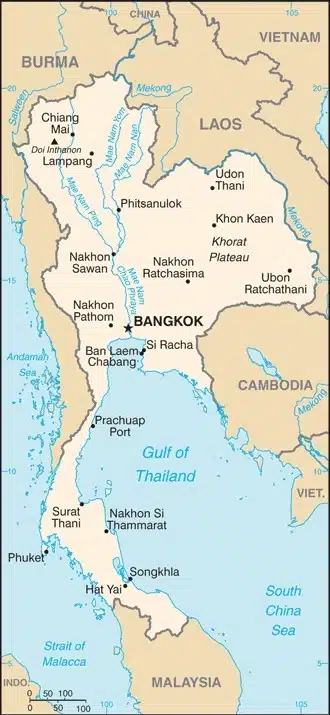 Thailand Map
Khao Sok National Park – Located Inland in the southern part of Thailand.
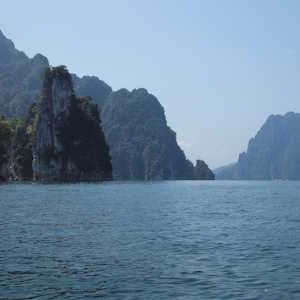
Activities: canoeing, wildlife spotting (gibbons, hornbills), and overnight on an eco-raft on Cheow Lan Lake.
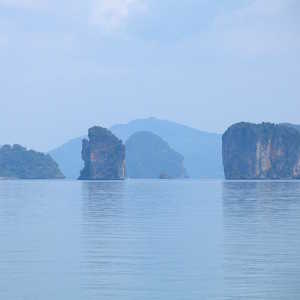
Koh Yao Noi and Koh Yao Yai. Located between Phuket and Krabi
Description: quiet islands with small-scale Thailand eco lodges.
Activities: biking and kayaking through mangroves.
Ko Chang and Ko Mak, in the Eastern Gulf of Thailand
Description: more laid-back and relaxed than the popular islands.
Eco-tips: go on diving projects, visit an organic farm, or walk in the mangroves.
Travel Tip: take the ferry to get from Ko Chang to Ko Mak.
Suggestions for a 2 week Sustainable Itinerary in Thailand
Week 1
Day 1–3: Chiang Mai
Visit street markets and temples.
Rent a bike to explore the area.
Stay at a permaculture farm or one of the Thailand eco lodges.
Day 4–5: Mae Hong Son, in Northern Thailand
Go jungle trekking with guides from the Karen community.
Stay in a traditional wooden hut and eat local meals.
Day 6–7: Khao Sok National Park
Stay in a floating eco lodge on Cheow Lan Lake.
Guides will take you on boat and jungle trips.
Week 2
Day 8–10: Koh Yao Noi
Enjoy kayaking, cycling, and visiting local communities.
Stay in a small-scale eco-resort.
Day 11–14: Ko Mak or Ko Chang
Activities include snorkeling, mangrove walks, and yoga.
Overnight stay in a wooden bungalow on the beach.
Flora and Fauna in Thailand
Flora – What Grows In Thailand?
Thailand has an enormous diversity of plants due to its different climate zones.
- Trees and Forest
Dipterocarpus alatus (Yang Na) – dominant in tropical rainforests; valuable timber tree.
Tectona grandis (Teak) – endangered native hardwood prized for its durability.
Hopea odorata (Ta Khian) – large rainforest tree, endangered in some regions. Dalbergia cochinchinensis (Siamese Rosewood) – highly endangered due to illegal logging. - Medicinal and Useful Plants
Zingiber officinale (Ginger) – widely used in traditional Thai medicine.
Curcuma longa (Turmeric) – antiseptic and anti-inflammatory properties. - Ornamental and Flowering Plants
Ratchaphruek (Cassia fistula) – Thailand’s national flower; has golden blossoms.
Jasminum sambac, also called Mali, widely grown – symbolic in Thai culture.
Hibiscus rosa-sinensis – popular flower; also, for medicinal uses.
 Leopard
 Curcuma longa
 Asian Elephant
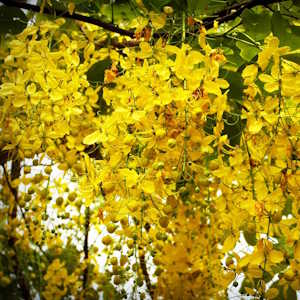 Ratchaphruek Cassia fistula
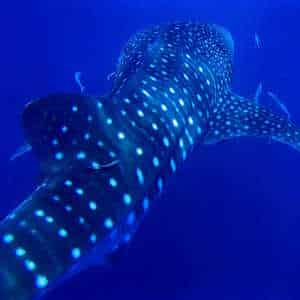 Whale Shark
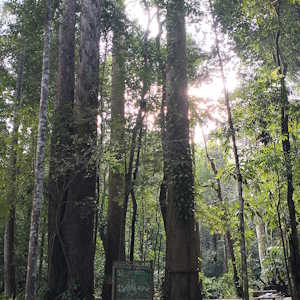 Ta-khian trees
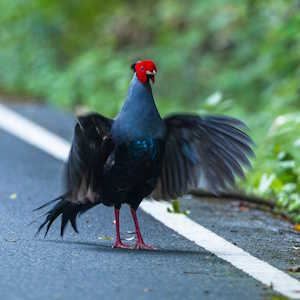 Siamese Fireback
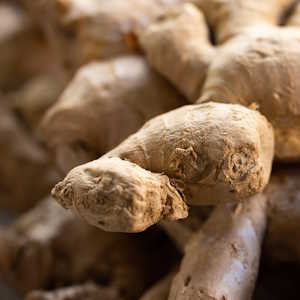 Ginger
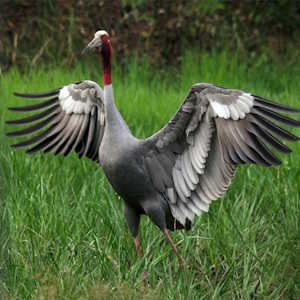 Sarus Crane
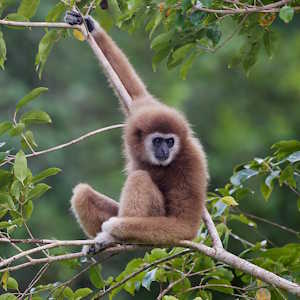 White-handed Gibbon
Fauna – What Animals Can You See In Thailand?
Thailand is rich in animal species. Tourists might see:
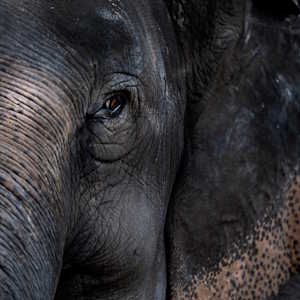
- Asian elephants (endangered) are most often found in reserves and protected parks.
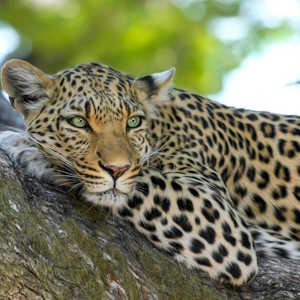
- Tigers, leopards, and bears. They are mostly found in the Western Forest Complex.
- Gibbons, langurs, and other monkey species.
- A rich underwater world in the Andaman Sea (coral reefs, sea turtles, and whale sharks).
- Special birds (such as hornbills and the Siamese Fireback).
Small-Scale Nature Conservation Projects
Here are inspiring projects where ecotourists are welcome and can contribute:
Elephant Nature Park Chiang Mai
Description: a well-known ethical sanctuary for rescud elephants.
Focus: rehabilitation without rides or shows; pure observation.
You can sign up to prepare their food and feed them.
GVI Thailand, Phang Nga
Focus: nature conservation (sea turtles, coral restoration, marine animal monitoring).
Partnerships: works with local fishing communities and schools.
Koh Mak Low Carbon Island Project
Focus: a local community committed to green energy, waste separation, and protection of coral reefs around the island.
Love Wildlife Foundation, in Bangkok and outlying areas
Focus: committed to the protection of endangered species and educational projects on wildlife trade. You can find them on Facebook if you have an acccount.
Environmental Challenges in Thailand
Thailand is under pressure. The main threats are:
- Wildlife trade: poaching and the illegal trade in exotic animals remain major problems, despite stricter laws. This is due to a combination of systemic, economic, and cultural factors. There is a high demand for exotic pets, traditional medicines, rare plants, and animal parts. Also, there are border and market control issues, and enforcement challenges.
- Deforestation: illegal logging and agricultural expansion (such as palm oil and rubber plantations) which cause the loss of primary forest.
- Overtourism: mass tourism in places like Phuket, Koh Phi Phi, and Maya Bay has led to coral bleaching, pollution, and erosion.
- Water pollution: this is due to plastic waste, agricultural chemicals, and poor waste management.
- Climate change: rising temperatures, changing rainfall patterns, and more extreme storms affect vulnerable ecosystems.
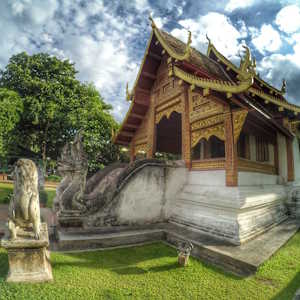
 Chiang mai Sanctuary
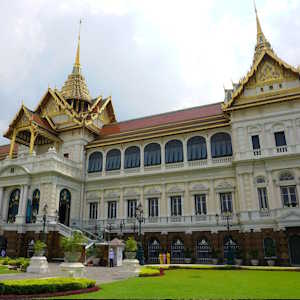
- Thailand Royal Palace
Thailand Policy on Ecotourism and Sustainability
Thailand’s government actively promotes ecotourism and sustainability through a mix of national strategies and local initiatives. The Tourism Authority of Thailand (TAT) leads efforts like the “7 Greens” campaign, which encourages eco-friendly travel behavior across transportation, attractions, communities, and services. The goal is to balance tourism growth with environmental protection and community benefits.
Thailand is investing in low-carbon travel options such as electric vehicles, eco-certified accommodations, and train travel. The government also partners with universities and NGOs to develop sustainable tourism standards and train local stakeholders.
In national parks and marine areas, Thailand has introduced visitor caps, seasonal closures, and bans on single-use plastics to protect ecosystems. A well-known example is the temporary closure of Maya Bay, which allowed for coral reef recovery.
The country also supports community-based tourism (CBT). This enables rural villages to offer eco-experiences while preserving cultural heritage. Certified CBT communities receive technical support and promotion.
The Thai Responsible Tourism Association works closely with local communities. They offer community-based tourism training, support for Thailand eco lodges, and carbon-neutral volunteer trips.
The government program EEE (Environmental, Economic, and Engagement) rating system. This unique rating framework helps assess the influence of tourism activities on the environment as well as the local communities, providing transparency for travelers and a benchmark for businesses.
Thailand Eco Lodges and Travel Safety
We recommend that you always check the safety situation in the country and in the areas you plan to visit beforehand. Be careful with information you find online. Not everything you read on social media channels is true.
You can also consult your country’s official government website. The Canadian Government has a Travel Advisory for Thailand.
IMAGE CREDITS > Khao sok National park. Image by Vyacheslav Argenberg. Wikimedia C.C. 4.0. > Limestone formations Koh Yao Noi island. Image by Vyacheslav Argenberg. C.C. 4.0 .> Leopard. Image by Michael Siebert from Pixabay.> Curcuma longa. Image by Corey Ryan Hanson from Pixabay.> Asian Elephant. Image by Guillermo Riera from Pixabay.> Ratchaphruek (Cassia fistula). No author. Pixabay.> Whale shark. Image by Alain BERGER from Pixabay.> Ta-khian trees (Hopea odorata). Near the Na Muaeng Waterfall. Image by Per Meistrup. Wikimedia C.C. 4.0.> Siamese Fireback. Image by Francesco Veronesi. Wikimedia C. C. 2.0.> Ginger. Image by Engin Akyurt from Pixabay.> Sarus Crane. Image by Tucky Piyapong. https://www.pexels.com/@tucky-piyapong-133048/.> White-handed Gibbon (Hylobates lar), Kaeng Krachan National Park. Image by JJ Harrison ([email protected]). Wikimedia C. C. 3.0.> Chiang mai. Sanctuary image. Image by Sarawut Supakwong from Pixabay.>
Leave a Reply
Want to join the discussion?Feel free to contribute!