
Kenya Eco Lodges and Tours in Your Safari Destination
Get ready to experience wild beauty, stunning wildlife, savannahs, mountains, and coastlines while staying at one of our Kenya Eco Lodges! Kenya is nowadays a top ecotourism destination in Africa. The country is not only famous for its safari parks and iconic animals, but also for its growing commitment to ecotourism. The Pride of Africa certainly applies to Kenya when it comes to nature. Explore Kenya Eco Lodges below and find the perfect place to connect with nature and support conservation.
Kenya Eco Lodges and Resorts
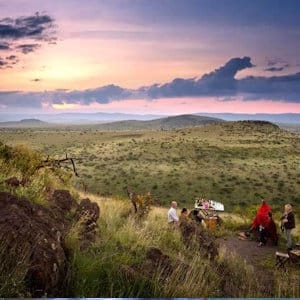
Many Kenya eco lodges work closely with local communities and conservation groups to protect nature and promote sustainable travel.


Ecotourism in Kenya
Kenya is one of the pioneers of African ecotourism. The country is strongly committed to conservation and community-based tourism. What makes ecotourism in Kenya special?
• Community conservancies: local communities manage nature reserves, such as in Laikipia and Samburu.
• Eco-lodges: many accommodations run on alternative energy, recycled water, and work together with local people.
• Sustainable safaris: small-scale, with respect for animals and ecosystems.
Organizations like Ecotourism Kenya promote sustainable practices in the tourism sector.
Flora & Fauna in Kenya
Kenya is located at an ecological crossroads of savannah, rainforest, mountain ranges and coast. Its biodiversity is incredibly rich.
Fauna
• Big Five: lion, leopard, buffalo, elephant, rhino.
• Grevy’s zebra, gerenuk, oryx, wild dogs. All are endangered but the gerenuk, which is near threatened.
• Birds: >1,100 species, including flamingos in Lake Nakuru and birds of prey in Rift Valley.
• Marine life: off the coast of Mombasa and Lamu: sea turtles, dolphins, coral reefs.
Flora
• Savanna: acacias, baobabs and grasses.
• Kenya’s only tropical rainforest is Kakamega Forest. Located in Western Kenya, the forest is home to diverse flora, including over 380 plant species.
• Mountains: Afro-alpine flora is found in high altitudes on Mount Kenya. You will find species like giant groundsels and lobelias, some of them endemic to the region.
• Coastal vegetation: mangroves, tropical plants, coconut palms.
Top Ecotourism Destinations in Kenya
A trip to Kenya offers the perfect mix of wildlife, local culture and sustainability.
Masai Mara National Reserve and Community Conservancies
• Masai Mara National Reserve is best known for being the northernmost point of the Great Migration, a massive, cyclical movement of over 2 million wildebeest, zebras, Thomson’s gazelles, and eland between Tanzania’s Serengeti and the Masai Mara in Kenya.
• Neighboring community conservancies such as Olare Motorogi offer more sustainable, less crowded safari experiences.
• Eco lodges run on alternative energy, for example on solar, and work in partnership with the Maasai.
Laikipia Plateau
• Home to rare and endangered species such as the black rhino and Grevy’s zebra.
• Managed by local communities and eco-organizations.
• Many small-scale, luxury Kenya eco lodges.
Mount Kenya National Park
• UNESCO World Heritage Site, with tropical rainforest, mountain forests and glaciers.
• Popular for trekking, birdwatching and staying in eco-campsites.
• Endemic plants and spectacular views.
Lake Naivasha and Crater Lake
• Bird paradise (including pelicans and fish eagles).
• Cycling and walking safaris among giraffes and zebras in Hell’s Gate National Park.
• Sustainable lodges on the shores of the lake.
Kakamega Forest
• Last remnant of tropical rainforest in East Africa.
• Unique flora, butterflies and monkey species (black-and-white colobus monkeys, blue monkeys, red-tailed monkeys, and the endangered De Brazza’s monkey).
• Great for hiking, ecological education using local guides.
Coastal Region: Watamu and Lamu
• Coral reefs, mangroves and sea turtles at Watamu Marine National Park.
• Lamu is car-free, cultural and perfect for slow travel.
• Eco-resorts offer sea turtle conservation and snorkeling trips.
Suggestion for a 2-week Sustainable Itinerary in Kenya
Week 1
Day 1–2: Nairobi
• Visit David Sheldrick Wildlife Trust (elephant orphanage) and Giraffe Centre.
• Stay at one of the Kenya eco lodges in the area.
Day 3–5: Masai Mara Conservancy
• Go on safari with local guides in a community conservancy.
• Stay at one of the Kenya eco lodges in the area.
Day 6–7: Lake Naivasha and Hell’s Gate National Park
• Cycle among zebras and giraffes.
• Boat trip on Lake Naivasha.
• Stay at one of the Kenya eco lodges in the area.
Week 2
Day 8–10: Mount Kenya National Park
• Hike or multi-day hike with local guide.
• Visit a permaculture farm or sustainable mountain camp.
• Stay at one of the Kenya eco lodges in the area.
Day 11–12: Kakamega Forest
• Hike with local nature guides, learn about medicinal plants.
• Stay in on eof the Kenya eco lodges, a local guesthouse or research center.
Day 13–14: Watamu Coastal Region
• Relax by the ocean, snorkel, visit a marine reserve.
• Volunteer at sea turtle projects (e.g. Local Ocean Conservation).
If you want to know how to reduce your ecological footprint in Kenya, check out our page with more than 40 sustainable travel tips.
Ecological Threats in Kenya
Deforestation
– Especially in areas such as the Mau Forest Complex – crucial for water catchment – ??much of the forest has been lost to logging, agriculture and settlements. (The Mau Forest acts as a “water tower” – capturing, storing, and slowly releasing rainwater. It forms the headwaters of at least 12 major rivers. These rivers supply water to millions of people, support hydropower, agriculture, and wildlife ecosystems across Kenya, Tanzania, and even into Uganda.
Human-animal conflict
– Due to population growth and agricultural expansion, human activity is increasingly encroaching on wildlife areas, leading to conflicts between local communities and wildlife such as elephants and lions.
Climate change
– Increased droughts, irregular rains and failed harvests threaten not only people, but also ecosystems such as wetlands and savannas.
Poaching and illegal wildlife trade
– While there has been much improvement in this area, the demand for ivory, horns and exotic pets continues to pose a threat to endangered species. This improvement is largely due to government interventions, along with strong support from conservation organizations and local communities
Plastic pollution
– Plastic waste is a growing problem, especially in urban areas and tourist hotspots, despite the ban on plastic bags since 2017.
Government Policies on Ecotourism and Sustainability
Kenya was one of the first African countries to seriously embrace ecotourism. Key policies and initiatives include:
– National Tourism Blueprint (2018-2030): focuses on sustainability, community-based tourism and conservation.
– Kenya Ecotourism Policy (via Kenya Tourism Board & Ecotourism Kenya): accredited eco-accommodations are awarded a Bronze, Silver or Gold Eco-Rating.
– Ban on single-use plastics in national parks and reserves (from June 2020): a major step in protecting natural areas from pollution.
– Promoting community-based tourism (CBT): local communities receive training, resources and access to tourism revenues.
Examples of Small-scale Conservation Projects
David Sheldrick Wildlife Trust (Nairobi)
– World-renowned elephant orphanage that takes in orphaned elephants, raises them and releases them back into the wild. You can visit or adopt them from a distance.
Lewa Wildlife Conservancy (Laikipia)
– Conservation project for black rhinos, Grevy’s zebras and elephants. They work closely with local Samburu communities.
Mwaluganje Elephant Sanctua (near Mombasa)
– Community-driven project where farmers make land available for elephant corridors in exchange for tourism revenue.
Watamu Marine Association
– Works to protect coral reefs, turtles and manatees, and reduce plastic pollution. Volunteers are welcome.
Chyulu Hills REDD+ Project (part of Maasai Wilderness Conservation Trust)
– A climate project that uses carbon credits to support forest management and Maasai communities.
Kenya Eco Lodges and Travel safety
Check in advance about the safety in Kenya and in the places you plan to visit. You can also consult your country’s official government websites. For American citizens, this is the US Dept. of State’s page on Kenya.
Leave a Reply
Want to join the discussion?Feel free to contribute!