
Iceland Eco Lodges
Experience the raw beauty of nature with Iceland Eco Lodges, your gateway to one of the world’s most awe-inspiring ecotourism destinations. From geothermal landscapes and cascading waterfalls to black sand beaches and glaciers, Iceland offers unforgettable adventures in pristine wilderness. Our eco lodges embrace sustainability, local culture, and environmental care. They provide the perfect base for exploring volcanoes, spotting puffins or whales, and soaking in natural hot springs—all while treading lightly on this magical island’s fragile ecosystem.
Iceland Eco Tours
Check out our highly recommended tour
Iceland Ecotourism
Iceland relies almost completely on renewable energy (geothermal and hydroelectric power), which dramatically reduces the environmental footprint of both daily life and tourism. This almost total use of renewable energy contributes to their leadership in sustainability. The government and many local businesses are actively committed to protecting nature and engaging visitors responsibly. Some characteristics of ecotourism in Iceland are:
- Small groups and local guides: many tours are offered on a small scale and with respect for nature and culture.
- Sustainable accommodation: consider Iceland eco lodges, farm stays, and guesthouses. For bigger sustainable lodgings you can consider those with environmental labels such as the Nordic Swan. Please note that their fees are very expensive for smaller establishments.
- Respect for environmental laws: strict rules apply to off-trail hiking, camping, waste disposal, and wildlife viewing.
Popular eco-activities:
- Glacier hikes and ice caving (with certified guides).
- Hot springs and geothermal baths.
- Sustainable whale-watching tours from Húsavík. See our listing: Elding Adventure at Sea, which is a sustainable operation.
- Hiking in national parks like Þingvellir and Skaftafell.
Flora and Fauna of Iceland
Due to the cool climate, Iceland’s flora is limited but unique:
- Lichens and mosses cover lava fields and rocks. They are crucial for the ecosystem.
- Arctic and alpine flowers: such as the purple Icelandic bellflower (Campanula rotundifolia), mountain poppy, and saxifrage.
- Dwarf birches and willows: these are low shrubs that form forests in sheltered valleys.
- Tundra vegetation: in the highlands, you’ll find peat plants and herbs that can withstand extreme cold.
Wildlife of Iceland
Although Iceland has few native land mammals, its wildlife is impressive thanks to its bird and marine life.
Marine life:
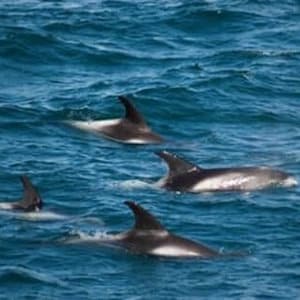
- Whales and dolphins: Humpback whales, minke whales, and orcas can be seen, especially around Húsavík and Snæfellsnes.
- Seals are often seen on peninsulas or in the fjords.
- Atlantic salmon and trout live in rivers and lakes. They are important to Icelandic food culture.
Birds:
- Puffins are the most popular birds in Iceland. You can see them from May to August in numerous locations across the country.
- The Gyrfalcon is Iceland’s national animal. It symbolizes power, royalty, and freedom in Icelandic sagas and mythology.
- Terns, razorbills, skuas, and ptarmigan.
- Large populations of waterfowl such as swans and ducks live in the wetlands.
- Lake Mývatn Nature Reserve is a birding paradise where you can see Red-throated loon, Barrow’s goldeneye, Eurasian Wigeon, Greater scaup, Harlequin Duck, Common scoter, Northern shoveler, Great Northern Diver, Red-throated loon, Horned Grebe, Arctic Tern, and the Red-necked Phalarope.
Land mammals:
- Icelandic horse: a strong breed with unique gaits.
- Icelandic fox (Arctic fox): the only native land mammal.
- Reindeer: found in the east, especially around Egilsstaðir.
Top Ecotourism Destinations in Iceland
Here are five of the best ecotourism destinations in Iceland. We selected them for their exceptional nature, biodiversity, sustainable tourism offerings, and the opportunity to travel responsibly:
Þingvellir National Park
This is a UNESCO World Heritage Site where the North American and Eurasian tectonic plates are drifting apart.
Sustainable activities: hiking over lava fields and through fissures, and snorkeling in Silfra, a fissure with crystal-clear meltwater. Please follow the marked trails to protect fragile vegetation.
Mývatn and Surroundings, in North Iceland
This is one of the best birdwatching spots in Europe, with rare duck species and a unique ecosystem.
Sustainable activities: birdwatching, relaxing in the natural Mývatn Nature Baths, and hiking around pseudo craters. These craters were formed by gas explosions when boiling lava flowed over cool, wet surfaces. The craters themselves are not magma-producing volcanic vents. Plan your visit in spring or summer for the most bird activity.
Borgarfjörður Eystri, in East Iceland
This is a peaceful region with pristine mountains, puffins, and beautiful hiking trails away from mass tourism.
Sustainable activities: long-distance hiking, birdwatching, and supporting local arts and crafts.
Skaftafell in Vatnajökull National Park
Part of Europe’s largest protected area, you’ll find glaciers, waterfalls, and alpine flora here.
Sustainable activities: glacier hikes with certified guides. Check out the educational visitor center, which has information on Skaftafell’s natural features and recreational options in the nearby area.
Westfjords – Hornstrandir Nature Reserve
This is one of Iceland’s most remote and rugged regions. Nature reigns supreme here.
Sustainable activities: minimum-impact hikes, during which you might spot birds and Arctic foxes. The area is only accessible by boat and is suitable for experienced hikers.
Hornstrandir Nature Reserve is one of Europe’s last true wilderness areas—remote, protected, and virtually untouched by modern infrastructure. Hornstrandir offers very basic lodging. So don’t expect to find luxury escapes, glamping domes, or one of the Iceland eco lodges you might find elsewhere.
Suggestion for a 2-week Sustainable Itinerary in Iceland
Day 1–2: Reykjavik
- Explore the capital, Reykjavik, on foot or by electric scooter.
- Visit the Perlan Museum (with an exhibition on ecosystems).
- Stay at one of the Iceland Eco lodges in or near Reykjavik.
Day 3–4: Þingvellir National Park, a key part of the Golden Circle Route, located in southwestern Iceland
- The park combines unique geology with a rich history, as Iceland’s first parliament was located here.
- Take a sustainable excursion to Gullfoss Waterfall and Geysir.
- Here you can spot the harlequin duck and the northern diver.
Day 5–6: South Coast – Vik and Skógar
- Visit the black sand beaches of Reynisfjara.
- Hike to Skógafoss Waterfall.
- Stay at one of the Iceland eco lodges.
Days 7–8: Skaftafell and Jökulsárlón Glacier Lagoon
- Hike in Vatnajökull National Park.
- Kayak or take a sustainable boat, i.e. in a non power boat with a sustainable tour guide, trip on the lagoon.
- Spend the night at a local guesthouse with a sustainability certificate.
Days 9–10: East Fjords – Seyðisfjörður
- This is a peaceful region with fjords, fishing villages, and abundant birdlife.
- Visit art shops and choose between a wide variety of Icelandic product design, art crafts, and clothing design. Hike in Borgarfjörður Eystri.
Days 11–12: Mývatn and Surroundings
- Explore the pseudo craters and lava fields.
- Birdwatching. You can see many duck and goose species.
- Bathe in the natural Mývatn Nature Baths.
Days 13–14: Return to Reykjavik via Hraunfossar and Deildartunguhver
- Visit sustainable geothermal projects.
- Hike along the lava waterfalls.
- Stay at one of the Iceland Eco lodges in or near Reykjavik.
Tips for Ecotourists in Iceland:
- Travel outside the peak season (May–June or September).
- Avoid driving off-road, as it damages the fragile moss landscape.
- Consider the Icelandic Bus Passport for some routes. These passports are designed to be a convenient and low-cost way to see the country, particularly for those who prefer not to drive or rent a car). You can also rent an electric car.
Check out 40 or more sustainable travel tips and read how easy it is to reduce your ecological footprint!
To see our Hotels and Tours please visit Iceland eco lodges and Tours
Ecological Threats in Iceland
Increasing Tourism and Overloading Vulnerable Nature
- The explosive growth of tourism since 2010 has led to path erosion, ecosystem disruption, waste problems, and vegetation damage.
- Popular sites such as Gullfoss, Skógafoss, and Reynisfjara are under heavy strain because of over tourism.
Climate Change
- Glaciers (such as Vatnajökull and Langjökull) are rapidly retreating.
- Temperature changes also affect flora and fauna. Seabird populations like puffins are increasingly facing food shortages.
Threat to Renewable Energy vs. Nature Conservation
- Iceland uses almost exclusively geothermal and hydroelectric power, which is sustainable.
- However, dams and geothermal installations can disrupt unique ecosystems, as seen with the construction of the Kárahnjúkar Dam. It does this via habitat destruction. Initially by flooding a large untouched area of habitat. But it also leads to river flow changes which have an impact on wildlife. These are just to name some of the ways it disrupts the local ecosystems and habitats.
Invasive Species and Biodiversity Loss
- The original vegetation was largely destroyed by early colonizers, mostly Norse Vikings, overgrazing by sheep, and logging.
- Reforestation with non-native species can put pressure on local biodiversity.
Icelandic Government Policy Measures
National Strategy for Sustainable Tourism (2020–2030)
Tourism must contribute to the well-being of residents, nature, and the economy. The focus is on not to overwhelm resources with too many tourists, making sure visitors are distributed throughout the area instead of congested in one area, more local ownership, and greener infrastructure.
Protected Areas and National Parks
Iceland is actively expanding protected areas, including Vatnajökull National Park, now a UNESCO World Heritage Site. There are stricter regulations on access and trails. Camping regulations are also being implemented to protect nature.
Tourist Site Protection Fund
This fund finances projects such as the construction of sustainable hiking trails, restrooms, and parking spaces at sensitive locations. It’s financed directly from tourism. A portion of the departure tax / airport tax is allocated to this fund.
Green Steps Initiative
Government agencies are required to integrate sustainability into their daily work (energy, waste, and transport). Tourism companies are encouraged to certify themselves with labels such as Vakinn, Nordic Swan Ecolabel Nordic Swan Ecolabel (a tough Ecolabel assigned to goods and services for Nordic countries), and FEE Green Key (available in 90 countries, a fee is charged). Vakinn is the official quality and environmental certification system. It was launched in 2012 and is managed by the Icelandic Tourist Board. Certification includes both quality and environmental criteria. They don’t charge a fee to join but the companies that audit the sites do.
Sustainable Vehicles
The government promotes electric vehicles and public charging infrastructure. Electric driving is made attractive through tax breaks and subsidies.
Examples of Small-Scale Conservation Projects in Iceland
SEEDS Iceland – Volunteers for Environmental and Cultural Projects
This is one of the most well-known volunteer organizations in Iceland. They organize projects around hiking trail restoration, waste collection (coastal cleanups), and sustainable lifestyle and environmental education. International volunteers of all ages can participate. You will usually stay in a group with other volunteers. The accommodation provided in the countryside usually consists of municipality or community houses, sport centers, guest houses or forest lodges where volunteers sleep in shared rooms with showers and cooking facilities available.
Icelandic Forestry Association (located at the Skógræktarfélag Íslands)
Iceland has lost much of its original forest due to deforestation and erosion. These projects help restore native vegetation and capture carbon. Volunteers can help plant trees, maintain forests, or set up educational projects about reforestation. To volunteer, contact a local forestry association (e.g., Skógræktarfélag Reykjavíkur).
Fuglavernd – The Icelandic Society for the Protection of Birds
This organization is committed to protecting Icelandic bird species and their habitats. They manage reserves for puffins, terns, and wading birds. Volunteer work is not always available, but they sometimes need help with fieldwork, observations, or maintenance of bird areas.
Ocean Missions – Arctic Coastline Clean-Up
These small-scale sail expeditions focus on beach cleanups in remote areas, plastic pollution research (they study how plastic pollution impacts coastal landscapes and ocean life), education, and conservation. This is perfect for adventurous volunteers with an interest in the ocean and sustainability. You’ll live and work together at sea aboard a traditional sailing ship.
The Environment Agency of Iceland
They coordinate volunteers in Icelandic national parks (such as Þingvellir and Vatnajökull) for hiking trail maintenance, environmental education for visitors, and the protection of fragile ecosystems. Volunteering mainly takes place in the summer. Advance registration is required through partner organizations such as SEEDS or WWOOF (Worldwide Opportunities on Organic Farms, a network that connects volunteers with organic farms and smallholdings around the world).
Iceland Eco Lodges and Travel Safety
Check in advance about the safety in Iceland and in the places you plan to visit. You can also consult your country’s official government websites. For American citizens, this is the U.S. Department of State’s page on Iceland.
Leave a Reply
Want to join the discussion?Feel free to contribute!