
Australia and Oceania Ecotourism
Australia and Oceania Ecotourism offers a rich tapestry of natural and cultural experiences across diverse destinations. From Australia’s iconic outback and the Great Barrier Reef to New Zealand’s pristine national parks and Maori heritage, the region is a paradise for eco-conscious travelers. Fiji and Micronesia enchant with vibrant coral reefs and community-based marine conservation, while Papua New Guinea invites you to explore untouched rainforests and deep-rooted tribal traditions. Together, these destinations champion sustainable tourism, biodiversity protection, and respectful cultural exchange, making Australia and Oceania a leading region for authentic, low-impact ecotourism adventures.
Australia and Oceania Eco lodges and Ecotours
Check out our complete overview of all our Australia and Oceania Ecolodges and Ecotours or click on the links below for Ecolodges and Tours in each country.
Overview and Highlights
Australia and Oceania are havens for ecotourism, offering a blend of ancient landscapes, Indigenous cultures, and globally significant biodiversity. The region is home to lush rainforests, volcanic islands, coral reefs, and alpine peaks. You will encounter wildlife that is found nowhere else on Earth.
Overview and Highlights
Must-see ecotourism highlights include:
- Great Barrier Reef (Australia) – Snorkel or dive this UNESCO-listed marine ecosystem with eco-certified operators.
- Daintree Rainforest (Australia) – Explore the world’s oldest rainforest and learn from Aboriginal guides. They offer invaluable cultural and ecological insights
- Tongariro National Park (New Zealand) – Hike sacred volcanoes in this dual UNESCO World Heritage Site. Tongariro is known for its natural and cultural significance to M?ori.
- Great Astrolabe Reef (Fiji) – Dive among pristine corals with eco-certified dive operators. They follow sustainable practices and contribute to reef monitoring. Diving with them helps fund conservation initiatives and support local marine conservation. You can also Participate in reef cleanups.
- Volcano hikes in Vanuatu or Papua New Guinea – Witness volcanoes in action (e.g., Mount Yasur in Tanna, Vanuatu; Mount Tavurvur near Rabaul).
- Birdwatching in Papua New Guinea or the Solomon Islands – Spot rare birds of paradise and endemic species.
- Cultural eco-tours in Samoa or Tonga – Engage in sustainable community-based experiences rooted in the Samoan and Tongan traditions.
Best Time to Visit Australia and Oceania
- Australia (southern regions): October to April (spring/summer), especially for outdoor adventures and coastal travel.
- Australia (tropical north): May to October (dry season), ideal for visiting the Outback and northern rainforests.
- New Zealand: November to March (summer), best for hiking and exploring national parks. This is peak season for outdoor activities.
- Pacific Islands (e.g., Fiji, Samoa, Vanuatu): May to October, during the dry season with less humidity and calmer seas.
- Papua New Guinea and Micronesia: May to September for more predictable weather and less rain.
Australia and Oceania Ecotourism – Australia
Australia is a world-class ecotourism destination. It is known for its wildlife, diverse ecosystems, and deep Aboriginal heritage. From coral reefs to ancient rainforests and desert landscapes, it offers eco-conscious travelers’ endless opportunities for immersive, sustainable nature-based experiences.
Eco Activities in Australia
Wildlife safaris
Spot kangaroos, koalas, emus, and more in national parks and reserves.
Snorkeling the Great Barrier Reef
Swim among vibrant coral, turtles, and tropical fish in this World Heritage site.
Bushwalking
Explore diverse trails through forests, mountains, and deserts rich in native flora.
Whale watching
See humpbacks migrate along the coast from June to November.
Aboriginal cultural tours
Learn ancient traditions, Dreamtime stories, and bush survival skills from Indigenous guides.
Canoeing in wetlands
Paddle through peaceful ecosystems alive with birds, frogs, and native plants.
Stargazing in the outback
Experience clear, unpolluted night skies full of stars and Indigenous constellations, based on their astronomical traditions.
Landscape in Australia
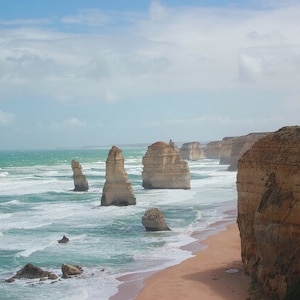
Australia features a wide range of landscapes, from the vast red deserts of the Outback to lush tropical rainforests in the northeast. Coastal regions offer white-sand beaches and dramatic cliffs, while the Great Barrier Reef showcases vibrant marine ecosystems. The southeast hosts alpine mountains with snow in winter. Inland areas are covered in bushland, eucalyptus forests, and arid plains. They create a unique and diverse natural environment.
Flora and Fauna in Australia
Flora – Includes eucalyptus forests, acacia (wattle), spinifex grass, banksia, bottlebrush, mangroves, and rainforests. Over 24,000 native plant species thrive across deserts, coasts, alpine regions, and tropical ecosystems. Australia is a biodiversity hotspot.
Fauna – Includes iconic marsupials like kangaroos, koalas, wombats, and wallabies. You can also spot platypus, echidnas, emus, cockatoos, and crocodiles. Over 800 reptile species unique to diverse ecosystems live in Australia.
Ecotourism Highlights in Australia
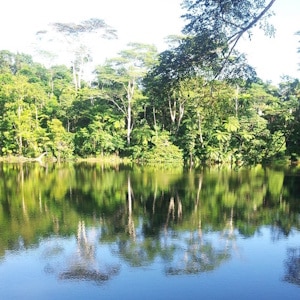
Daintree Rainforest (Queensland) – The world’s oldest rainforest, teeming with rare species and Indigenous cultural experiences.
Great Barrier Reef (Queensland) – A UNESCO World Heritage Site ideal for eco-certified snorkeling and marine education tours. It is the world’s largest coral reef system.
Uluru-Kata Tjuta National Park (Northern Territory) – Sacred Aboriginal land with desert landscapes, guided walks, and cultural interpretation. The traditional owners, the Anangu people, ask visitors to honor their customs and spiritual connection to the land. So, do not climb Uluru and listen, learn, and observe with humility and respect their culture.
Sustainable Transport in Australia
Use eco-certified tour operators and choose train travel for scenic, low-impact transport; the Ghan (Adelaide to Darwin) and Indian Pacific (Sydney to Perth) are iconic, low-carbon alternatives for long distances. Regional services also exist. In cities, electric buses, bike-sharing schemes, and extensive public transport networks help reduce your footprint. Rent hybrid or electric vehicles for rural trips when needed (these can be limited in very remote rural areas).
Australia and Oceania Ecotourism | Fiji
Fiji is an ecotourist’s dream, offering lush rainforests, coral reefs, and vibrant island culture. Fiji lets you explore nature responsibly while supporting local traditions and environmental stewardship. The network of eco-resorts, marine conservation areas, and community-led tourism is growing. The country is making significant strides in eco-tourism, particularly with marine conservation and community involvement.
Eco Activities in Fiji
- Coral reef snorkeling
Explore vibrant reefs teeming with tropical fish and soft corals. - Rainforest hiking
Discover waterfalls and native plants with traditional medicinal uses. - Birdwatching
Spot endemic species like the Fiji parrotfinch and the near threatened silktail in forest habitats. - Sea kayaking
Paddle through calm lagoons, mangroves, and along untouched island coastlines. - Turtle conservation
Join local projects protecting nesting sites and releasing hatchlings into the sea. - Organic farm visits
Learn about sustainable agriculture and taste fresh tropical fruits and herbs. - Diving in marine reserves
Encounter sharks, manta rays, and vibrant coral walls in protected reef zones. An example is Naidiri Marine Biodiversity Park
Landscape in Fiji
Fiji’s diverse landscapes offer something for every nature lover. Volcanic islands, shaped by ancient volcanic activity, are found mainly in the Viti Levu, Vanua Levu, and Taveuni regions. The country’s iconic white-sand beaches are abundant in the Yasawa and Mamanuca island chains, known for their pristine coastlines and crystal-clear lagoons. Lush rainforests thrive in Taveuni, the “Garden Island,” and in the Namosi Highlands of Viti Levu. Remote coral atolls are in the Lau Group and Rotuma. They offer low-lying reef islands ideal for marine exploration and relaxation.
Flora and Fauna in Fiji
Fiji’s fauna includes fruit bats, including the critically endangered Fijian Monkey-Faced Flying Fox. As well as crested iguanas, sea turtles, reef sharks, and colorful reef fish. The Fiji Crested Iguana is particularly notable as a critically endangered endemic species. You can also spot endemic birds like the collared lory and Fiji petrel in forested habitats.
Fiji’s flora includes mangroves, tree ferns, bamboo, tropical orchids, breadfruit, coconut palms, pandanus, and tropical hardwoods. Lush rainforests and coastal vegetation support rich biodiversity and traditional Fijian cultural practices.
Three Ecotourism Highlights in Fiji
- Namosi Highlands – Hike through rainforest and remote villages while learning from Indigenous guides.
- Great Astrolabe Reef (Kadavu) – One of the world’s largest barrier reefs, ideal for eco-diving which is a form of sustainable tourism that combines scuba diving with a deep commitment to preserving marine ecosystems. And, of course, marine life encounters.
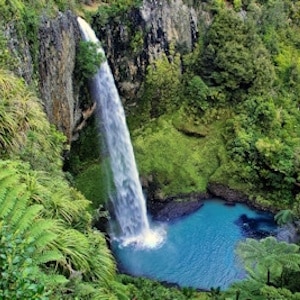
- Bouma National Heritage Park (Taveuni) – Home to waterfalls, rare bird species, and rich Fijian culture.
Sustainable Transport in Fiji
Use local ferries for inter-island travel and minibuses (“carriers”, as they’re called on Fiji) on land. Many eco-lodges offer transfers via shared vehicles or solar-powered boats. Explore nearby communities and coastlines with a kayak or just walking.
Australia and Oceania Ecotourism | Micronesia
Micronesia offers a rare chance to explore untouched coral atolls, volcanic islands, and rich cultural heritage. It’s a dream for ecotourists who are seeking authentic, low-impact travel experiences across small island communities. You can visit among others marine sanctuaries and ancient ruins.
Eco Activities in Micronesia
- Reef snorkeling and diving
Explore vibrant coral reefs with turtles, reef sharks, and stunning marine biodiversity. - Traditional canoe tours
Sail in handcrafted outrigger canoes guided by expert local navigators. - Birdwatching
Spot rare island species like Micronesian kingfishers and fruit doves in native habitats. - Forest hikes
Trek through lush tropical forests with waterfalls, endemic plants, and birdlife. - Visiting ancient ruins
Discover stone cities like Nan Madol and other pre-colonial archaeological wonders. - Kayaking mangroves
Paddle quiet channels surrounded by mangrove roots, crabs, and nesting birds. - Sustainable fishing tours
Learn traditional, eco-friendly fishing methods alongside local fishermen. - Community-based cultural visits
Experience local customs, dances, and food in authentic village settings.
Landscape in Micronesia
Micronesia’s landscape is defined by its stunning diversity and connection to the ocean. The region is home to numerous coral atolls, featuring low-lying islands and vibrant reef systems teeming with marine life. Scattered throughout are volcanic islands, often rugged and forested, rising from the sea. Along many coastlines, dense mangrove forests thrive, providing vital habitats and coastal protection. Enclosed lagoons and reefs complete this tropical mosaic, perfect for eco-friendly exploration and conservation.
Flora and Fauna
Micronesia’s fauna includes coconut crabs, flying foxes, sea turtles, reef sharks, fruit bats, and colorful reef fish, along with endemic birds like the Micronesian imperial pigeon. You can spot Micronesian Kingfishers (subspecies) in some parts of Micronesia (e.g., Pohnpei Kingfisher on Pohnpei) but theGuam Micronesian Kingfisher (Todiramphus cinnamominus cinnamominus) is extinct in the wild.
Micronesia’s flora features tropical flowers, mangroves, pandanus, breadfruit trees, coconut palms, taro, hibiscus, and native hardwoods. Tropical forests and coastal vegetation support biodiversity and traditional subsistence practices across the islands.
Three Ecotourism Highlights in Micronesia
- Nan Madol (Pohnpei) – A UNESCO World Heritage Site of ancient stone ruins built on coral islets.
- Chuuk Lagoon – A world class dive site for WWII wreck diving, with coral growing on the wrecks, attracting fish.
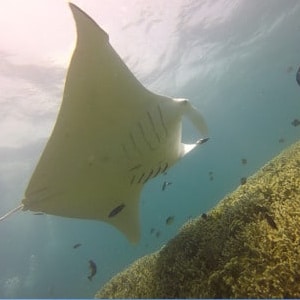
- Yap’s Stone Money and Manta Rays – Explore Yapese traditions, founded on respect, responsibility, and community. Snorkel with manta rays in protected waters.
Transport in Micronesia
Local ferries and traditional outrigger canoes are low-impact ways to explore island groups. Walking and biking are ideal on smaller islands. Shared taxis or minibuses are common, and some eco-resorts coordinate community-run transport to reduce emissions.
Australia and Oceania Ecotourism | New Zealand
New Zealand is a paradise for ecotourists, with dramatic landscapes, rare wildlife, and deep M?ori cultural roots. The country leads in conservation and sustainable travel; the country pioneers innovative predator control initiatives, such as the ambitious Predator Free 2050 program. Additionally, the government promotes sustainable tourism through programs like Qualmark Green (a certification for eco-friendly operators). And conservation efforts often involve strong partnerships with M?ori communities. The country offers countless opportunities for responsible adventure in pristine, protected environments.
Eco Activities in New Zealand
Glacier hiking
Explore ancient ice formations on guided hikes in Franz Josef or Fox Glacier.
Wildlife watching
Spot kiwis, fur seals, and penguins in their natural habitats.
Kayaking fjords
Paddle through serene waters surrounded by cliffs in Fiordland’s remote inlets.Stargazing in dark sky reserves
Experience crystal-clear night skies in Aoraki Mackenzie Dark Sky Reserve.
Whale and dolphin tours
Observe humpbacks, orcas, and dusky dolphins off Kaik?ura’s nutrient-rich coastline.
Forest ziplining
Glide through ancient native forests on eco-friendly canopy adventures.
Visiting eco-sanctuaries
Explore predator-free islands and reserves protecting rare native species and ecosystems. These include Tiritiri Matangi, Matiu-Somes, and the subantarctic islands like Campbell Island.
Landscape in New Zealand
New Zealand boasts an incredibly diverse and dramatic natural landscape. Towering glacial valleys, carved by ancient ice flows, stretch across the Southern Alps. They offer breathtaking views and alpine beauty. In the southwest, there are stunning fiords and lakes, such as those found in Fiordland National Park. They create serene, mirror-like waterways surrounded by steep cliffs. Lush rainforests thrive in the West Coast and northern regions, rich in native flora and wildlife. The North Island features volcanic plateaus. They are home to active volcanoes, geothermal wonders, and rugged hiking terrain.
Flora and Fauna in New Zealand
New Zealand’s flora includes ancient podocarp forests, silver ferns, southern beech trees, alpine plants and towering kauri. Native shrubs, alpine plants, and lush mosses thrive in diverse ecosystems, from coastal regions to temperate rainforests and subalpine zones.
New Zealand’s fauna includes iconic flightless birds like the kiwi, takahe, and kakapo (all endangered or threatened). You will find endemic tuatara reptiles as well, and fur seals, Hector’s dolphins, and numerous seabirds. Many species are endemic, thriving in predator-free islands and protected ecosystems.
Ecotourism Highlights in New Zealand
- Fiordland National Park – Home to Milford and Doubtful Sound fjords, offering kayaking, hiking, and rare marine life.
- Zealandia Ecosanctuary, located in Wellington) – A groundbreaking urban, fully fenced area protecting native species in a predator-free environment.
- Tongariro National Park – A dual UNESCO World Heritage Site blending volcanic landscapes and M?ori spiritual heritage.
Sustainable Transport in New Zealand
Use InterCity buses or scenic trains like the TranzAlpine for low-impact travel. Many regions offer bike trails, e-bike rentals, and eco-friendly car shares. In cities, public buses and walking tours are widely available and environmentally friendly.
Australia and Oceania Ecotourism | Papua New Guinea
Papua New Guinea offers a raw and authentic eco-travel experience with its rich biodiversity, vibrant tribal cultures, and remote, untouched landscapes. Ecotourism here means immersive jungle treks, and coral reef dives. Besides that, you can join cultural exchanges e.g. live with a local family and learn about their traditional daily life. Or visit an Art and craft workshop, where you can learn skills like wood carving. You might even join a storytelling session where oral histories and myths are told by elders. All special and authentic ways to support local communities.
Eco Activities in Papua New Guinea
- Jungle trekking.
- Birdwatching.
- Snorkeling coral reefs.
- Canoeing rivers.
- Cultural village stays.
- Diving WWII wrecks or seeing them on land, particularly aircraft.
- Visiting tribal festivals.
- Exploring volcanic áreas.
Landscape in Papua New Guinea
Papua New Guinea offers a stunning variety of natural landscapes shaped by its unique geography. The rugged mountain highlands dominate the interior, home to remote villages and diverse cultures. Dense tropical rainforests blanket much of the country, supporting incredible biodiversity. Along the coastline, vast mangrove forests provide vital ecosystems for marine and bird life. Scattered throughout the region are dramatic volcanic islands, part of the Pacific Ring of Fire, adding to the country’s wild and untamed beauty.
Fauna and Flora
Papua New Guinea’s fauna includes tree kangaroos, cassowaries, birds-of-paradise, forest wallabies, and crocodiles. The country is a biodiversity hotspot. Many endemic species are found in rainforests, wetlands, and highland regions, showcasing extraordinary evolutionary adaptations. Papua New Guinea’s isolated evolution and varied habitats have resulted in a remarkably high proportion of species found nowhere else on Earth. Hence the country has one of the highest levels of endemism in the world. The Blue-eyed cockatoo, Bulmer’s fruit bat, Matschie’s Tree-Kangaroo, and the Tenkile are among them.
Papua New Guinea’s flora features towering tropical hardwoods, orchids, ferns, and extensive mangrove forests. Its rich rainforests host diverse plant species, including endemic palms and medicinal plants. The local population uses them to treat infections, wounds, fever, and digestive issues. But they also use them for rituals and spiritual practices. They thrive across mountainous highlands, coastal areas, and volcanic islands.
Three Ecotourism Highlights in Papua New Guinea
- Tari Valley (Hela Province) – Known for bird of paradise watching and Huli Wigman cultural experiences.
- Kimbe Bay in New Britain– A marine biodiversity hotspot ideal for diving and reef conservation tourism.
- Kokoda Track – A challenging multi-day trek through rainforest and local villages, rich in ecological diversity and WWII history. In 1942 The Kokoda Campaign was a key battle between Australian and Japanese forces. Hiking the Kokoda Track honors the memory of those who fought and died, offering a deeply moving historical and cultural experience.
Sustainable Transport in Papua New Guinea
Sustainable travel in PNG often means going local—canoes for river journeys, small-group treks on foot, and community-organized 4WD transport in rural areas. Domestic flights are common for remote areas, but choosing eco-certified operators and minimizing internal flights can reduce your footprint.
Australia and Oceania | How to get around
Sustainable Transport Recommendations for each Area
In Australia and New Zealand:
- Long-distance buses (e.g., Greyhound, InterCity) – Affordable and lower-emission options for regional travel.
- Trains (e.g., NSW TrainLink, TranzAlpine) – Scenic and sustainable for intercity and cross-country routes.
- Bike rentals in cities and eco-friendly towns – Great for exploring locally.
- Hybrid or electric vehicle rentals – Widely available, especially in New Zealand.
- Domestic flights only when essential – Offset emissions when possible and choose direct routes.
In the Pacific Islands:
- Canoes and kayaks – Ideal for exploring lagoons and reefs sustainably.
- Inter-island ferries – A lower-impact alternative to short-haul flights.
- Shared minibuses or walking in villages – Often the greenest way to move around.
Leave a Reply
Want to join the discussion?Feel free to contribute!