
The Gambia Eco Lodges
Discover West Africa’s hidden gem today. The Gambia Eco Lodges blend culture and beauty. This country offers vibrant wildlife and peaceful rivers. Meet welcoming local communities during your stay. Explore birdwatching havens and mangrove forests. Our lodges support conservation and responsible tourism. Cruise the Gambia River or spot rare birds. The Gambia invites you to travel lightly.
The Gambia Eco Lodges And Resorts
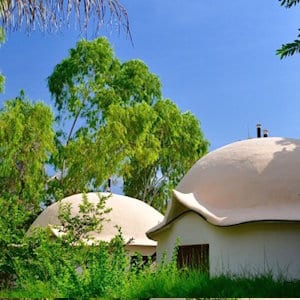
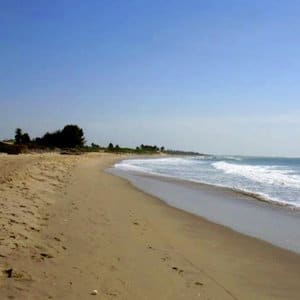
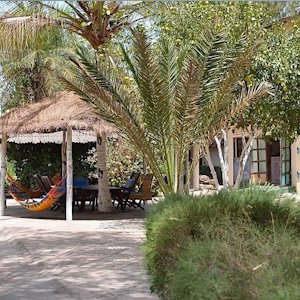
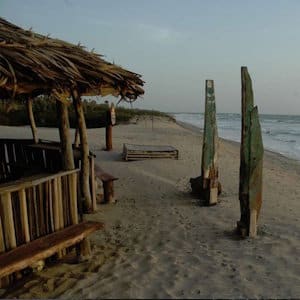
The Gambia Ecotourism
The Gambia is growing as an ecotourism destination in Africa. This is happening along the river and wetlands. If you love nature, you are here. The country has several national parks and reserves. These areas protect natural habitats and native fauna.
- Abuku Nature Reserve
- Baobolong Wetland Reserve
- Niumi National Park
- Tanji River Bird Reserve
These four parks are open to visitors. The Gambia now focuses on sustainable tourism. Local communities often lead these eco-initiatives. They help you know the landscape and culture.
The Best EcoTourism Destinations in The Gambia
Makasutu Culture Forest
A beautiful regeneration project in the middle of the forest. You can go hiking, canoeing, monkey spotting and enjoy cultural activities.
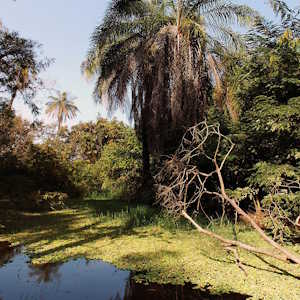
Abuko Nature Reserve
The oldest nature reserve in The Gambia, it is close to the capital. You’ll find monkeys, reptiles and a variety of bird species there.
You want to reduce your ecological footprint while traveling in The Gambia? Check out our 40+ Sustainable Travel tips.
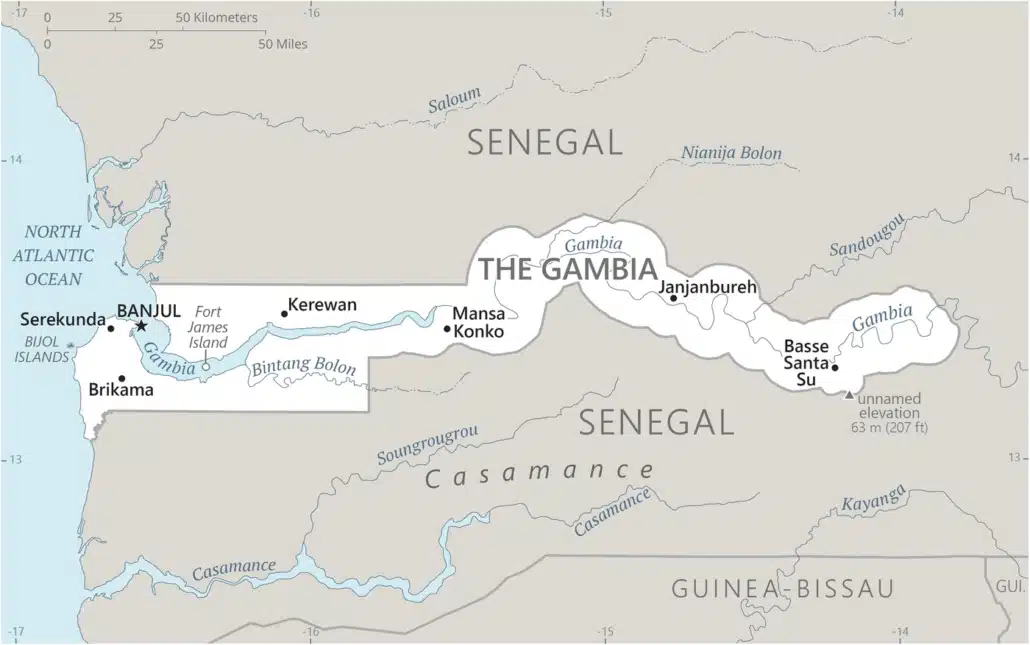 The Gambia Map
Kartong and Allahein River
Quiet, green oasis with small eco-villages. The river forms the border between The Gambia and Senegal. Kartong is an eco-area, and this beautiful part of Gambia has not yet been discovered by tourists. You will find peace and quiet! Take a river excursion and enjoy spectacular views.
Bao bolong Wetland Reserve
A wetland area in the Central River Region of Gambia with rare birds and aquatic fauna.
Kiang West National Park
Less visited, but rich in savannah wildlife, birds and beautiful walking trails. It is one of the largest reserves in the Gambia.
Tanji Village and Tanji Bird Reserve
A vibrant fishing village combined with a protected bird area, perfect for ornithologists and nature lovers.
Suggestions for a 2 week Sustainable Itinerary in The Gambia
Week 1 – West Gambia and Coastal Region
Day 1-2: Fly into Banjul – and continue to either Bijilo (24 miles) or Brufut (35 miles) to stay in one of The Gambia Eco Lodges.
Day 3: Visit Abuko Nature Reserve.
Day 4-5: Stay overnight at Tanji – a small fishing village, where you can enjoy the beach and birdlife.
Day 6-7: Stay in Bafuloto, for hiking, canoeing and cultural workshops.
Week 2 – – Riverside and Inland in the Gambia
Day 8: Travel towards Kuntaur via Farafenni or Soma (by local bus or shared transport).
Day 9-10: Overnight at a local homestay on the river –enjoy a boat trip, the birdlife, and hippos.
Day 11: Day trip to Kiang West National Park. You can see the following mammals: the African clawless otter, bushbuck, caracal, common duiker, leopard, marsh mongoose, serval, sitatunga, spotted hyenas, warthog, and the West African manatee.
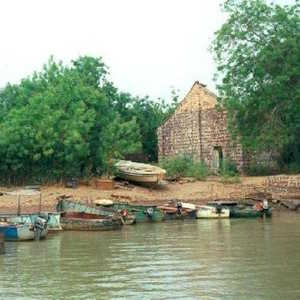
Day 12-13: Janjanbureh – It played a significant role in the slave trade (visit to the slave history and local projects) and is worth a visit.
Day 14: Back to the coast (or local airport if you are traveling through).
 Janjanbureh – Georgetown Slave House
- Abuko Nature Reserve
Flora and Fauna
The Gambia has many unique habitats. These include mangroves, savannahs, and wetlands. It also features lush riverine forests. These forests are influenced directly by the river.
Flora – What Grows In The Gambia?
- Mangrove forests along The Gambia River.
- Acacia, baobab, and silk-cotton trees.
- Tropical scrub and savannah vegetation.
- Groundnuts, cassava, corn, and mangoes.
- River delta vegetation.
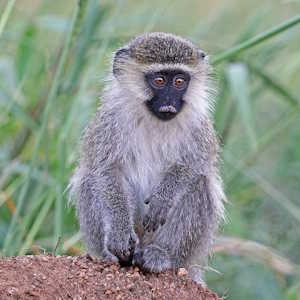 Vervet monkey
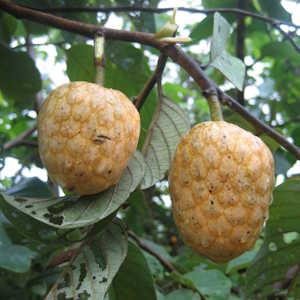 Annona senegalensis
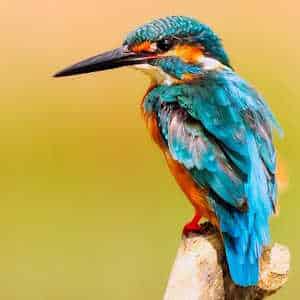 Kingfisher
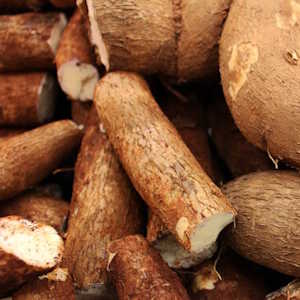 Cassava
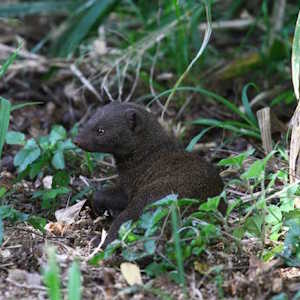 Marsh Mangoose
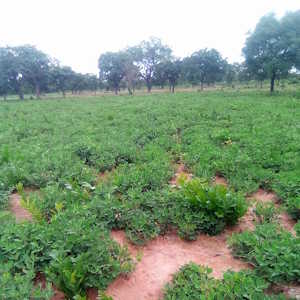 Groundnut plant
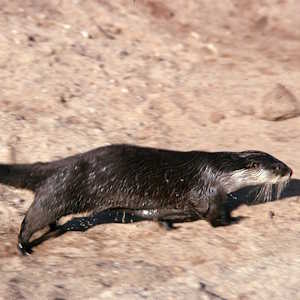 African clawless otter
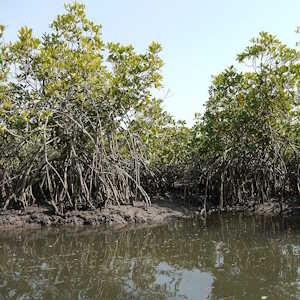 Mangrove
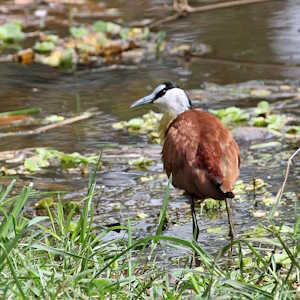 African Jacana
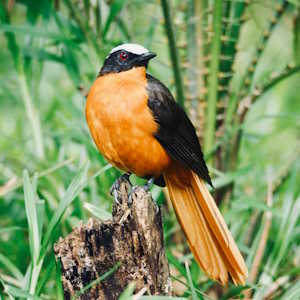 Robin Chat Bird
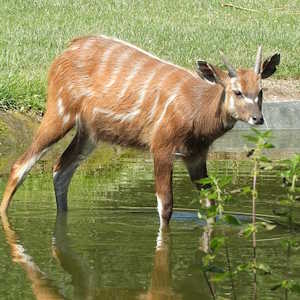 Sitatunga
Fauna – What Animals Can You Spot In The Gambia?
- There are over 560 bird species – such as the Senegalese parrot, kingfishers, vultures, bee-eaters, shoebill(s), and Storks (rare). It’s one of Africa’s best birdwatching destinations!
- Mammals: Vervet monkeys, patas monkeys, Nile monitors, hippopotamus (in the rivers).
Africa’s longest running chimpanzee rehabilitation center was formed in The Gambia in 1979. Wild chimps had disappeared from The Gambia before then. Now there are four different social groups of wild chimps. The chimpanzees are on Baboon Island, where the project is based. - Dolphins and manatees are found in the coastal waters.
- Reptiles and amphibians: you can find crocodiles (e.g. in Kachikally Crocodile Pool), turtles and chameleons.
Small-Scale Nature Conservation Projects
Footsteps Eco Lodge (Gunjur) is one of the The Gambia Eco lodges on our website. They combine tourism with education on sustainability. The lodge also supports local reforestation, permaculture, composting and turtle monitoring.
Makumbaya Community Forest Project
• Community-run reforestation initiative near Brikama in The Gambia.
• Focuses on restoring savannah and planting indigenous trees.
• Supported by volunteers and local guides.
Kartong Wetland Conservation Initiative
• Protects mangroves and wetlands along the Senegalese border.
• Community-led ecotourism (kayaking, birding, environmental education).
Gambian Parks and Wildlife Management Unit
• Location: Abuko and Kiang West.
•Government agency works with schools and communities on conservation in national parks.
• Visitors can participate in education and ranger activities.
Tanji Bird Reserve Community Monitoring
• Birdwatchers and guides from Tanji help count and protect bird species.
• Supported by NGOs such as WABSA (West African Bird Study Association).
How you can contribute as a traveler
It is highly recomended to stay in one of the The Gambia Eco Lodges. In The Gambia you can participate in projects – such as bird monitoring, sustainable farming, or school initiatives. Or donate or work with projects such as West African Bird Study Association WABSA or Green Up Gambia.
While traveling, eat in “bantabas” so you support local small restaurants.
Environmental Challenges in The Gambia
Although The Gambia is relatively small, its ecosystems are fragile and are affected by:
- Coastal and river erosion
Sea level rise and deforestation along the Gambia River are leading to land loss.
Villages such as Kartong and Sanyang are already experiencing eroding coastlines. - Deforestation
Illegal logging, agricultural expansion and charcoal production pose serious threats to forest areas such as Kiang West National Park. - Overfishing and pollution
Fish populations in the Atlantic coastal waters are declining due to overfishing and industrial fishing (including foreign trawlers).
Plastic and wastewater pollute estuaries and mangrove areas. - Biodiversity loss
Wetlands and mangroves are disappearing, affecting birds, amphibians and other species.
Hunting and poaching threatens monkey species, crocodiles and birds. - Climate change
Drought and changing rain cycles affect agriculture, biodiversity and water availability.
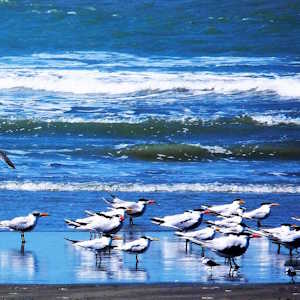
- Kartong beach
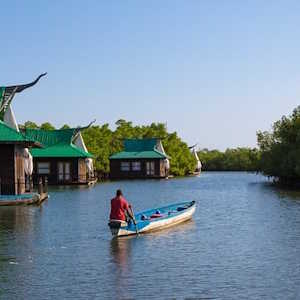
- Mangrove Channel in Makasutu
The Gambia Policy on Ecotourism and Sustainability
Many projects work with nature organizations. This includes the Gambia Tourism Board. They follow a Responsible Tourism Policy. The West African Bird Study Association also helps.
Gambia National Environment Policy (2017–2026)
• Goal: sustainable use of natural resources and protection of ecosystems.
• Themes: forests, water management, biodiversity, and sustainable agriculture.
Ecotourism Development Policy
• Guided by the Gambia Tourism Board (GTBoard).
• Objectives:
*Promote small-scale tourism.
*Involve local communities.
*Preserve cultural heritage and nature.
*Create economic opportunities in rural areas.
Community Forests (empowering local communities with the legal right to manage their local forest resources) and Community-Based Tourism.
• The government has transferred dozens of forest reserves to villages, which are responsible for their own management.
• These villages can generate income through tourism, timber and other products if managed sustainably.
The Gambia Eco Lodges and Travel Safety
Check in advance about the safety in The Gambia and in the places you plan to visit. You can also consult your country’s official government websites. For Canadian citizens and others, this is the Canadian Government’s travel advisory on The Gambia.
IMAGE CREDITS > Abuko Nature Reserve. Image by Theinfamousfinatic. Wikimedia C. C. 3.0. > Georgetown slave-house. Image by Atamari – sachara. Wikimedia C. C. 3.0. > Marsh Mangoose. Image by Mitch Mitchell on pexels. > African clawless otter. Image by Garst Warren, Wikimedia C.C. 4.0. > Sitatunga. Image by Markéta Klimešová from Pixabay. > Mangrove Forest. Image by tjabeljan. Wikimedia C. C. 2.0.
> Vervet monkey. Image by Charles J. Sharp . Wikimedia C.C. 4.0. > Jacana. Image by gisela gerson lohman-braun. Wikimedia C. C. 2.0. > Kingfisher. No author on pixabay. > Annona senegalensis. Image by Ton Rulkens. Wikimedia C. C. 2.0. > Cassava. Image by Daniel Dan on Pexels. Groundnut plant. Image by Munkaila Sulemana. Wikimedia C.C. 4.0. > Mangrove channel in Makasutu. Image by The Gambia from Pixabay. > Kartong beach. Image by Paul Walter. Wikimedia C. C. 2.0
Leave a Reply
Want to join the discussion?Feel free to contribute!