
Dominica Eco Lodges
Discover the lush, untamed beauty of the Nature Island. Stay at our handpicked Dominica Eco Lodges. These lodges sit in rainforests, near waterfalls, or along the coast and connect you closely with nature. Seek adventure in the wild landscapes or enjoy peace and tranquility in nature. Dominica Ecolodges offer the perfect sustainable retreat.
Dominica Eco Lodges And Resorts
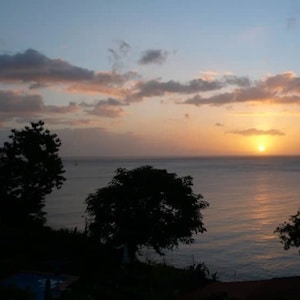
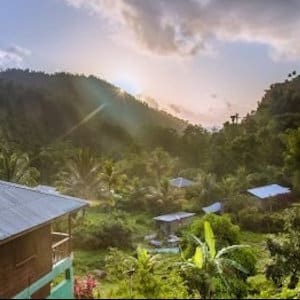
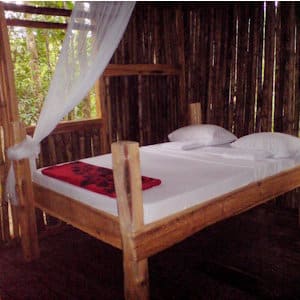
Dominica Ecotourism
The Commonwealth of Dominica was the first country benchmarked for Green Globe certification. It was recognized as an ecotourism destination. This recognition followed their community standards. Morne Trois Pitons National Park is Dominica’s first national park. It was established in 1975. The park protects the island’s flora and fauna.
Today the park covers more than 17,000 acres/6,880 hectares. It remains one of the island’s most important natural reserves. Dominica has also been declared a World Heritage Site. It holds outstanding universal value. Ecotourism became vital after the banana industry collapsed in the late 1990s. Ecotourism helped replace lost economic income. Community and nature tourism dominate the industry. This approach spreads tourism income among local communities.
Best EcoTourism Destinations in Dominica
Morne Trois Pitons National Park
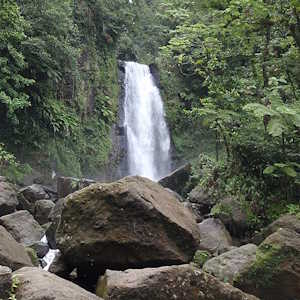
A UNESCO World Heritage Site with Boiling Lake, Trafalgar Falls and lush rainforests.
Waitukubuli National Trail
A 185 km/115 miles long hiking trail through the island, ideal for nature lovers.
Indian River
Mangrove boat tours with the chance to spot birds and learn about local herbs.
How to travel sustainably in Dominica
Choose Dominica eco lodges that use alternative energy, employ locals, and use eco-friendly building materials.
Eat local and organic. Choose local restaurants and food stalls with fresh island ingredients.
Avoid imported food that requires a lot of transportation.
Volunteer on wildlife projects. Help with sea turtle conservation or reforestation through local NGOs.
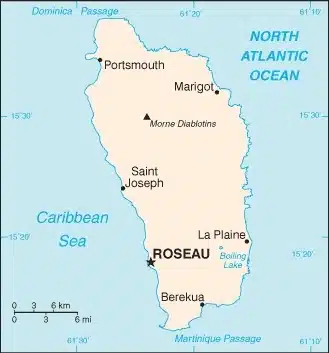 Dominica Map
Check out Eco Guidelines. The page offers tips on how to make your trip sustainable!
Check out our 40+ sustainable travel tips. Read how easy it is to reduce your ecological footprint!
Scotts Head Marine Reserve
A top destination for sustainable diving and snorkeling.
Cabrits National Park
A mix of history (Fort Shirley) and nature with swamps and forests.
Emerald Pool
A fairytale lagoon in the middle of the rainforest.
Kalinago Territory
Home to the indigenous Kalinago people, where you can experience their sustainable lifestyle.
Titou Gorge
Swim in a beautiful gorge with crystal clear water.
Champagne Reef
Dive or snorkel in bubbling waters. The reef gets its name from the bubbles that rise from a volcanic hot springs on the sea floor.
Papillote Wilderness Retreat
A botanical garden with natural hot springs.
Suggestion for a 2 week Sustainable Itinerary in Dominica
Dominica is small. Driving from the northernmost point to the southernmost point takes about 2 hours (47 miles). Like in Barbados, most of the Dominica eco lodges are located on, or near the coast.
Week 1 – South and Central Dominica
Day 1-2: Roseau and Surroundings
• Arrive in Roseau after a 1 hour drive from the airport. Stay at one of the Dominica eco lodges.
• Visit Papillote Wilderness Retreat for hot springs and a botanical garden.
• Visit the local market and eat organic food at a local restaurant.
Day 3-4: Morne Trois Pitons National Park
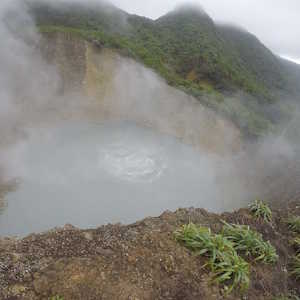
• Hike to Boiling Lake (challenging but spectacular).
• Explore Trafalgar Falls and soak in the hot springs.
• Hike to Middleham Falls or Emerald Pool.
Day 5: Titou Gorge and Freshwater Lake
• Swim in the magical waters of Titou Gorge.
• Kayak or hike around Freshwater Lake.
Day 6: Scotts Head Marine Reserve
• Snorkel or dive at Champagne Reef and Scotts Head.
• Sunset at Scotts Head Peninsula.
Day 7: Kalinago Territory
• Visit the Kalinago Barana Autê for a cultural experience.
• Learn about sustainable farming and traditional crafts.
Week 2 – North and West Dominica
Day 8-9: Indian River and Cabrits National Park
• Cruise along the Indian River with a local guide.
• Visit Cabrits National Park and historic Fort Shirley.
Day 10: Syndicate Nature Trail and Parrot Spotting
• Hike the Syndicate Nature Trail and spot the rare Sisserou parrot.
Day 11-12: Waitukubuli National Trail
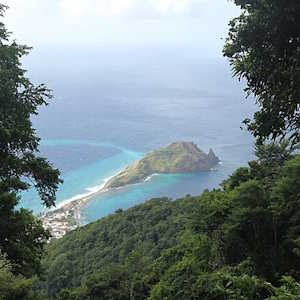
• Hike a few sections of the Caribbean’s longest hiking trail.
Day 13: Portsmouth and Purple Turtle Beach
• Relax on the beach and visit local eco restaurants.
Day 14: Return to Roseau and Departure
• Visit the market one last time and buy local, sustainable souvenirs.
Please visit our Dominica Eco Lodges and Tours here: Dominica Lodging and Tours.
 Boiling Lake
- Waitukubuli National Trail
- Morne Trois Pitons National Park
Flora and Fauna in Dominica
Flora
- Dominica’s rainforests are rich in exotic trees such as mahogany, bamboo and ferns.
- Orchids, Flamboyants and heliconias add beautiful colors to the landscape.
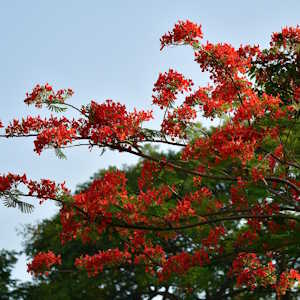 Flamboyant Tree
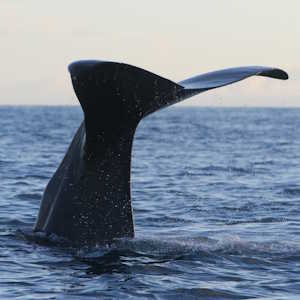 Sperm Whale
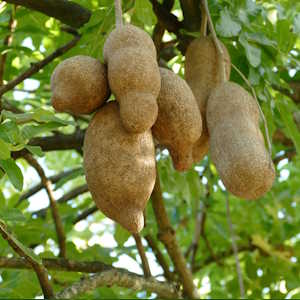 Sausage Tree
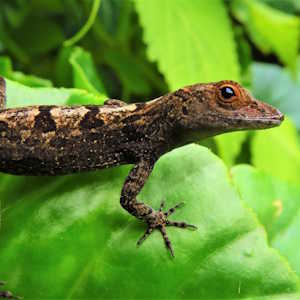 Lizard
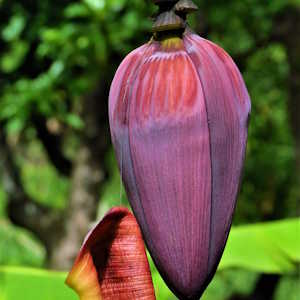 Banana Flower
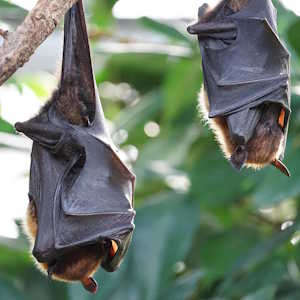 Bats
Bats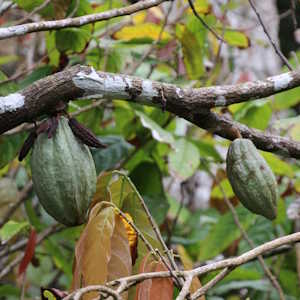 Cacao Beans
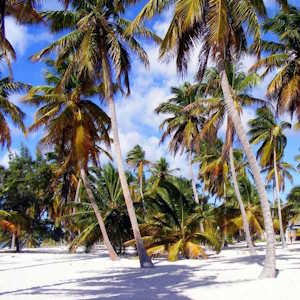 Palm Beach
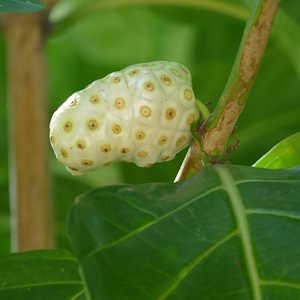 Noni
Noni
Fauna
- Birds: the endemic Emperor Amazon (Sisserou parrot) is the national symbol of Dominica. You can also spot the Jaco parrot and other tropical bird species.
- Mammals: Dominica has few large mammals, but bats (12 distinct species) and rodents like the Red-rumped Agouti (Dasyprocta leporina) are plentiful.
- Marine life: the island is famous for its whales, especially sperm whales. They can be seen all year round. Dolphins and colorful fish populate the coral reefs.
- Reptiles and amphibians: lizards, frogs and tortoises are common in the forests.
Small-Scale Nature Conservation Projects
Dominica Sea Turtle Conservation Organization (DOMSETCO)
Protects endangered sea turtles by monitoring nesting areas and involving local communities.
The Forestry, Wildlife and Parks Division
Active in reforestation and conservation of endemic species such as the Sisserou parrot.
Dominica National Conservation Trust Fund (DNCTF)
They provide a sustainable source of funding. It supports projects that protect Dominica’s biodiversity. These projects also strengthen the management and restoration of the island’s natural resources.
Kalinago-led sustainability projects
Small-scale ecotourism initiatives to promote traditional agriculture and crafts without damaging nature.
Environmental Challenges in Dominica
- Climate change and extreme weather
Dominica is frequently hit by hurricanes (such as Maria in 2017), which severely damaged ecosystems and infrastructure.
Rising sea levels threaten coastal areas and coral reefs. - Deforestation and land degradation
Illegal logging and agricultural expansion are causing rainforest loss.
Erosion and soil depletion are affecting the fertility of the land. - Loss of biodiversity
Native species, such as the Sisserou parrot (critically endangered), are threatened by habitat loss.
Coral reefs are suffering from acidification and pollution.
Ocean acidification is mainly caused by carbon dioxide gas in the atmosphere. The gas dissolves into the ocean. - Pollution and waste management
Plastic pollution is a growing problem, especially in rivers and on beaches.
Waste management in remote areas remains a challenge. - Unbalanced tourism pressures
Dominica promotes ecotourism, but increased visitor numbers could put pressure on fragile ecosystems.
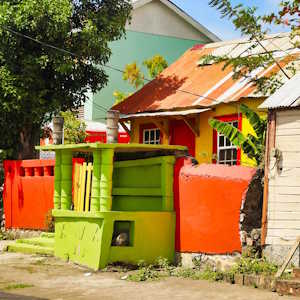
- Colorfull house in Dominica
- Palm Beach
Dominica Government Policy on Ecotourism and Sustainability
- Climate Resilient Policy. After Hurricane Maria, the government committed to building the world’s first climate-resilient nation. The aim of this policy is to be more resistant and withstand future natural disasters.
- 100% renewable energy target. The plan is to invest in geothermal energy to reduce dependence on fossil fuels.
- Protection of national parks and reserves. Strict regulations have to protect forests, rivers, and coral reefs.
- Sustainable tourism policy: Dominica is committed to small-scale, environmentally friendly tourism rather than mass tourism. Cruise ships are regulated to limit ecological damage.
- Supporting the indigenous Kalinago community.The government promotes, in partnership with the Kalinago, and ecotourism projects. The aim is to preserve their traditional knowledge and conservation.
- Stricter environmental laws: ban on plastic bags and a sustainable waste management program.
Dominica Eco Lodges and Travel Safety
Check in advance about the safety in Dominica and in the places you plan to visit. You can also consult your country’s official government websites. You can consult the Canadian Government Travel Advisories on Dominica.
IMAGE CREDITS > Boiling Lake. Image by Bayukjdr. Wikemedia. C.C. 4.0. > Morne Trois Pitons National Park. Image by https://en.wikipedia.org/wiki/User:Nelro on Wikimedia. Free of use. > Waitukubuli National Trail. Image by Liam Quinn. C. C. 2.0 https://creativecommons.org/licenses/by-sa/2.0/deed.en.> Noni. Image by falco from Pixabay. Sausage tree. Image by falco from Pixabay. > Banana flower. Image by Reissaamme from Pixabay. > Cacoa image. Image by fotobuch2000 from Pixabay. > Lizard. Image by Reissaamme from Pixabay. > Waterfall. Image by Nici Keil from Pixabay. > Sperm whale. Image by Decokon from Pixabay. Flamboyant. Image by LATUPEIRISSA from Pixabay. > Palm Beach. Image by botosgy from Pixabay. > Roseau. Image by Richard Todd from Pixabay.
Leave a Reply
Want to join the discussion?Feel free to contribute!