
Spain Eco Hotels
Discover the beauty of nature with Spain Eco Hotels. Here, sustainability meets adventure under the warm Mediterranean sun. From the rugged Pyrenees to the peaceful olive groves of Andalusia, and the dramatic volcanic landscapes of the Canary Islands, Spain is a paradise for eco-conscious travelers. Stay in charming off-grid cabins, organic farm stays, or solar-powered retreats. Explore national parks, bird sanctuaries, and scenic hiking trails. Spain Eco Hotels are your perfect vacation to an unforgettable, low-impact getaway.
Spain Eco Tours
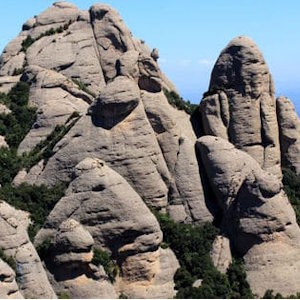
Spain Ecotourism
Spain is a leader in nature conservation in Europe.
- The country boasts 16 national parks and hundreds of nature reserves.
- There are many eco lodges, agritourism farms, and sustainable hiking trails.
- Many regions promote slow travel (an approach to tourism that emphasizes a more relaxed, immersive, and sustainable way of experiencing a destination), organic food, and local communities.
- In areas like Andalusia, Galicia, and the Pyrenees, you’ll find initiatives that truly contribute to nature conservation.
Popular ecotourism activities:
- Birdwatching (e.g., flamingos, imperial eagles, and vultures. some species of vultures are endangered and are being re-introduced).
- Hiking and cycling in nature parks.
- Whale and dolphin watching in areas such as the Strait of Gibraltar or around the Canary Islands.
- Stargazing in dark natural areas (such as La Palma).
Flora and Fauna in Spain
Due to the varied climate, you’ll find a wide variety of plant species:
- In the north, such as Galicia and the Basque Country lush Atlantic forests thrive with oaks, chestnuts, and ferns.
- The interior and southern regions feature Mediterranean vegetation with olive trees, cork oaks, and fragrant herbs like lavender, thyme, and rosemary.
- The high mountain areas of the Pyrenees and Sierra Nevada support alpine flora including rare flowering plants.
In the driest regions, such as the Tabernas Desert, you can find steppes dotted with succulents and almond trees.
Wildlife in Spain
Spain is home to a very high number of endemic species. The Iberian lynx (Lynx pardinus), found exclusively in the Iberian Peninsula, were once critically endangered but have recently been reclassified as vulnerable thanks to successful conservation efforts.
Other endemic species include the Granada hare, Broom hare, Iberian desman, and various types of voles and shrews. Beyond these, the country’s diverse ecosystems support a wide range of other impressive wildlife:
- Mammals: wild boars, ibex, and foxes.
- Birds: vultures, eagles, flamingos, bee-eaters, and hoopoes.
- Reptiles and amphibians: lizards, chameleons, and salamanders.
- Marine life: dolphins, whales, and turtles along the coast and around the Canary Islands.
Top Ecotourism Destinations in Spain
Doñana National Park, in Andalusia
One of Europe’s most important wetlands, rich in birdlife, lynx, and unique flora.
The Picos de Europa – a mountain range in northern Spain that extends across the communities of Asturias, Cantabria, and the province of León.
Spectacular mountains, deep valleys, and authentic mountain villages. Perfect for hikers.
La Palma, in the Canary Islands
A UNESCO Biosphere Reserve with volcanoes, forests, and dark, starry skies. Ideal for those seeking peace and quiet and nature lovers.
Sierra de Grazalema, in Andalusia
A karst landscape (a unique geological formation characterized by distinctive landforms like sinkholes, caves, and springs), rare flora, vulture colonies, white villages, and sustainable hiking trails.
Matarraña, in Aragon, near Catalonia
An unspoiled and unknown gem with olive groves, gorges, organic wine growing, and eco-villages.
Suggestion for a 2-week Sustainable Itinerary in Spain
This itinerary focuses on nature, culture, and eco-friendly activities.
Days 1–3: Seville and Doñana National Park
- Explore Seville by bike or on foot.
- Take an excursion to Doñana for birdwatching, marshland, and Iberian lynx spotting.
- Stay in one of the eco hotels.
Days 4–6: Sierra de Grazalema
- Hike through mountain gorges, pine forests, and whitewashed villages (all houses are painted brilliant white), creating a striking contrast against the surrounding landscape).
- Visit an educational center about vulture conservation.
- Stay in one of the Spain Eco Hotels.
Days 7–9: Matarraña, through Zaragoza
- Take the train to Zaragoza and then hire a car or bus to Valderrobres.
- This is a peaceful region with organic wine, nature parks, and slow food (a movement advocating food that is “good, clean, and fair,” promoting local and traditional culinary practices and combating the rise of fast food).
- Please note: A rental car would be necessary to get from Zaragoza to Matarraña and from there to the Picos de Europa.
Days 10–12: Picos de Europa
- Go hiking in the mountains and visit traditional villages.
- Take the cable car in Fuente Dé and spot vultures in the Hermida Gorge.
Stay in one of the Spain Eco Hotels.
Days 13–14: Bilbao
- Stay in cultural Bilbao, located in Basque country. Taste cider and visit the Guggenheim Museum Bilbao. Or, if you are not into city life, enjoy the green north coast of Asturias.
To see Spain Eco Hotels-Tours, check out our Directory of Sustainability
Check out our 40+ Sustainable Travel Tips!
Ecological Threats in Spain
Drought and Water Scarcity
- Due to climate change and water overuse (e.g., for agriculture and tourism), parts of Spain are experiencing severe drought, especially in the south and southeast.
- Rivers and wetlands (such as the Doñana River) are under pressure because of excessive groundwater extraction for agriculture and climate change.
Mass Tourism and Coastal Development
- On the Mediterranean coast and in the Balearic and Canary Islands, mass tourism leads to overconsumption of water, as well as waste management issues, and the degradation of fragile ecosystems.
Deforestation and Forest Fires
- Due to agriculture, construction, and rising temperatures, forest cover is decreasing, resulting in a loss of biodiversity.
- Forest fires, especially during the summer months, are an annual problem.
Loss of Biodiversity
- Spain has many endemic species, but they are under pressure from habitat loss, pollution, and invasive species. These species have been introduced primarily by human activity. Whether on purpose such as the fur farming of the American mink or unintentional via ballast water in ships in the case of fish.
Spanish Government Policy on Ecotourism and Sustainability
Sustainable Tourism Policy
Spain is increasingly committed to sustainable tourism. The policy is aimed at limiting tourist pressure in vulnerable areas, promoting nature and rural tourism, and supporting local communities. Funding is available through EU funds for sustainable tourism initiatives.
Network of Protected Natural Areas
Spain has the largest number of Natura 2000 areas in Europe. They are an important ecological network set up to protect, maintain and restore Europe’s biodiversity. National parks and biosphere reserves are actively managed with a focus on education and eco-recreation.
Certification and eco-labels
More regions are using eco-certifications such as the European Charter for Sustainable Tourism certification (sometimes abbreviated as CETS).
This is not a widely recognized or standardized eco-certification. It is more a specific program or initiative within a particular region or organization. Examples are Fair Trade and Rainforest Alliance. So, if you see the CETS label, try to find more information about the specific program it represents. Look for a website or contact information for the organization that issued the certification.
Regional initiatives
Autonomous regions such as Catalonia, Andalusia, and the Canary Islands have their own programs and subsidies for ecotourism.
Examples of Small-Scale Conservation Projects in Spain
Spain has a growing number of small-scale conservation projects that rely on local communities, volunteer work, and sustainable principles. As an ecotourist, you can even visit or support some of these projects. Here are some great examples across the country:
CBD-Hábitat (Iberian lynx and imperial eagle conservation – in Andalusia and Extremadura)
This international NGO started to work with Iberian lynx and monk seals on a global level. They have been working for years on the recovery of the Iberian lynx, one of the most endangered cats in the world.
- They collaborate with farmers, reintroduce lynxes to nature reserves, and improve their habitat. They also work with lynx in Portugal.
- They also support the Spanish imperial eagle and other birds of prey.
SEO/BirdLife Spain (nationwide, with many local projects)
This international organization has 123 national partners, covering all continents. In Spain they manage areas such as:
- Delta de l’Ebre (Catalonia) for waterfowl and flamingos.
- Doñana (Andalusia) for migratory birds and wetland wildlife.
- Volunteers can participate in monitoring, education, or habitat management.
Apadrina un Olivo (Saving Ancient Olive Trees in Teruel, Aragon)
This social and environmental project saves centuries-old, abandoned olive trees by giving people from Spain and abroad the opportunity to symbolically “adopt” one.
- Proceeds go towards restoring the landscape and supporting sustainable agriculture.
- You can visit the region, volunteer, or buy organic oil.
Fundación Global Nature (Wetland and Peatland Restoration, in Castile-La Mancha and Extremadura)
This is one of the most active foundations in wetland restoration, biodiversity, and sustainable agriculture.
- They collaborate with farmers on organic production and water management.
- Visits are available upon request, especially in nature reserves such as La Nava or Laguna de la Janda.
Spain Eco Hotels and Travel Safety
Check in advance about the safety in Spain and the places you plan to visit. You can also consult your country’s official government websites. For American citizens, this is the U.S. Department of State’s page on Spain.