
New Zealand Eco Lodges and Tours
Experience the magic of New Zealand (increasingly referred to by its Maori name Aotearoa) with a stay in one of the breathtaking New Zealand Eco Lodges! This stunning country is a haven for ecotourists, offering snow-capped mountains, lush rainforests, geothermal wonders, and pristine coastlines. Whether you’re hiking through national parks, kayaking crystal-clear lakes, or spotting rare wildlife, New Zealand invites you to explore sustainably. The country has a very unique flora – many plant species are found nowhere else in the world (around 80% are endemic). New Zealand Eco Resorts blend comfort with conservation, making them the perfect choice for a green getaway in this natural paradise. Adventure starts here!
New Zealand Eco Lodges and Resorts
Check out our highly recommended New Zealand Eco Lodges.
To see all our New Zealand Eco Lodging and Tours.
Ecotourism in New Zealand
New Zealand has a strong focus on sustainable tourism, particularly through campaigns such as “Tiaki Promise”. The Tiaki Promise has a set of guiding principles for visitors to follow. The Promise shows them how to contribute to preserving and protecting the land. Here Is what you can do to follow that:
• Visit protected areas such as national parks and wildlife reserves.
• Stay at small-scale New Zealand eco lodges or opt for glamping, which is a form of comfortable and luxurious camping.
• Go hiking, kayaking, birdwatching and stargazing to have minimal impact on the environment.
• Choose community-based tourism in Maori communities.
Popular ecotourism regions:
• Fiordland National Park – glaciers, fiords (such as Milford Sound), rainforest and spectacular walking trails.
• Abel Tasman National Park – golden beaches, seal colonies, and kayaking.
• Kaikoura – whale watching with a strong ecological focus. A range of laws and regulations, for example the Marine Mammal Protection Act, help to ensure the conservation and welfare of the wales.
• Stewart Island – birdwatcher’s paradise (e.g. kiwi, flightless birds endemic to New Zealand).
Flora and Fauna of New Zealand
Flora
Plant species that only grow in New Zealand:
• Kauri trees – ancient giant trees in Northland.
• Pohutukawa – also known as the “New Zealand Christmas tree”.
• Silver fern (Ponga) – national symbol of New Zealand.
• Rimu, Totara and Kahikatea – ancient tree species in native forests.
In the south you will also find alpine flora such as:
• Mount Cook lily – the largest buttercup in the world.
• Alpine daisies and snow moss.
Fauna
New Zealand is famous for its endemic animals, especially birds, as the country has long been isolated from land predators. Endemic species:
• Kiwi – The national symbol of New Zealand. The Kiwi is a flightless bird. They are now endangered and hard to find in the wild as they are nocturnal. Thankfully they can be seen at wildlife houses in the parks and zoos. By booking New Zealand Eco Lodges, you help insure sustainability.
• Takahe – rare, brightly colored bird once thought extinct.
• Kea – clever, playful alpine parrot.
• Tui and Bellbird – songbirds with unusual vocalizations.
• Kakapo – heaviest parrot in the world, nocturnal and flightless.
New Zealand’s caves have become a popular tour because of the New Zealand glowworm. It is the larva of the fungus gnat and can be seen in dark caves like a series of strings hanging down with small balls that is illuminated.
Marine Life:
• Hector’s dolphin – smallest dolphin species, only found in New Zealand. It is small for a dolphin, about 4 1/2 feet or 1.4 meters.
• Blue penguin – smallest penguin in the world. Found in New Zealand and Australia.
• Seals, whales and orcas are common along the coast.
Top Ecotourism Destinations in New Zealand
- Abel Tasman National Park – golden beaches, seals, crystal blue waters.
- Kaikoura – whales, dolphins and sustainable marine tours.
- Stewart Island / Rakiura – pure wilderness, chance to see kiwis in the wild.
- Aoraki / Mount Cook National Park – glaciers, starry skies, alpine nature.
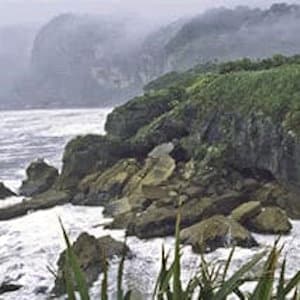
- Punakaiki (Pancake Rocks) – west coast with unique rock formations and subtropical rainforest.
- Te Urewera / Lake Waikaremoana (North Island) – wilderness area managed by Maori.
- Rotorua / Whakarewarewa Forest – geothermal and cultural eco-experiences with Maori guides.
- Tongariro National Park – volcanic landscape, the Tongariro Crossing is a UNESCO Dual World Heritage site and the famous Tongariro Crossing.
- Kapiti Island – protected bird sanctuary, which is perfect for eco-bird safaris.
Suggestion for a 2-week Sustainable Itinerary in New Zealand
Day 1–2: Arrive Christchurch
• Eco-activities: city bike tour, botanical gardens, and market visit.
• Transport: hire a hybrid car or use InterCity bus.
Day 3–5: Mount Cook / Aoraki National Park
• Activities: hike the Hooker Valley Track, stargaze (Dark Sky Reserve).
• Sustainable detail: minimize impact by only walking on paths.
Day 6–7: Oamaru / Dunedin
• Activities: spot little blue penguins and endangered, yellow-eyed penguins.
• Bonus: visit the steampunk-style town of Oamaru. Steampunk is a Victorian view of the future – a future without the industrial revolution, a future powered by steam.
Day 8–10: Fiordland National Park (Te Anau / Milford Sound)
• Activities: kayaking, hiking, or a boat tour through Doubtful Sound, a remote fiord in Fiordland National Park. Enjoy a breathtaking journey through pristine waters and lush rainforests.
• Transport: book with eco-tour operators.
Day 11–12: Queenstown / Glenorchy
• Activities: visit Glenorchy (main access point to Paradise, which is known for picturesque landscapes and filming locations). Hike a portion of the Routeburn Track, one of New Zealand’s “Great Walks” about 20 miles long. You can take the Key Summit Track, a 3-hour return hike. Try the local food.
Day 13–14: Abel Tasman National Park (via flight or bus)
• Activities: kayaking, hiking, swimming, and wildlife watching.
• Tip: only fly if you’re short on time—the bus or ferry option is more sustainable.
To see all our New Zealand Eco Lodging and Tours.
Sustainable Travel tips, specifically for New Zealand
*Stay in New Zealand Eco Lodges or glamping sites. Use the Qualmark Green label to find sustainable lodging.
*InterCity and NakedBus (alternatively) are affordable and energy efficient public transport options. If you need to use a car, opt for a hybrid or electric rental car.
*Companies such as Zilch, Europcar and Mevo offer electric vehicles. Charging stations are well-spaced.
*Check whether fish is sustainably caught (look for MSC labels).
*Visit reserves and sanctuaries such as Zealandia or Orokonui. Your entrance fee goes directly to conservation.
Check out more than 40 sustainable travel tips to reduce your ecological footprint.
Ecological Threats in New Zealand
Invasive species
New Zealand has few mammals. Introduced species such as possums, stoats, rats and cats pose a major threat to native birds (such as kiwis, kakapo and takahe).
Deforestation and loss of biodiversity
Original forests have largely disappeared due to colonization and agriculture. The remaining ecosystems are vulnerable.
Climate change
Rising temperatures and changing rainfall threaten alpine areas, coral reefs (e.g. around the Kermadecs), and the agricultural sector.
Water pollution
Intensive agriculture leads to pollution of rivers and lakes, mainly due to nitrogen and phosphate from artificial fertilizers and livestock farming.
Sea level rise and ocean pollution
Coastlines and marine ecosystems (such as penguin colonies and marine mammals) are threatened by plastic pollution and erosion.
New Zealand Government Policy
Emissions Policy and Sustainable Tourism
• Tourism New Zealand promotes minimal impact travel.
• Qualmark Green Certification – official sustainability certifications for accommodation and tour operators.
• DOC (Department of Conservation) works with Maori-iwi, communities and volunteers to sustainably manage natural areas.
• Target: net-zero emissions by 2050.
• Policies to reduce agricultural emissions (many emissions come from livestock farming).
• Investment fund for nature-based solutions (such as reforestation and wetland restoration).
Examples of Small-scale Conservation Projects
Zealandia, located in the heart of Wellington
A 225-hectare fenced ecosanctuary where endangered bird species are flourishing again. Volunteers and members of the public play a major role in management and education.
?rokonui Ecosanctuary (Dunedin)
Another predator-free reserve with rare flora and fauna including the tuatara (a species of reptile endemic to New Zealand. They look very much like lizards) and kakas (a large species of parrot found in the native forests of Zealandia. The project has a strong focus on community education.
Kapiti Island Nature Tours
A Maori-based ecotourism project on a protected island, focusing on bird conservation and sustainable tourism.
Project Janszoon (Abel Tasman National Park)
A public-private initiative working on ecosystem restoration in the park. Focus on removing invasive species and reintroducing birds.
Stewart Island / Rakiura volunteer projects
Initiatives to protect kiwis, such as setting traps for predators and habitat management with local guides.
Want to help during your trip?
Consider a day of volunteering with the Conservation Volunteers NewZealand.
New Zealand Eco Lodges and Travel Safety
Check in advance about the safety in Dominica and in the places you plan to visit. You can also consult your country’s official government websites. For American citizens, this is the US Dept. of State’s page on the New Zealand page.
Leave a Reply
Want to join the discussion?Feel free to contribute!