
Honduras Ecolodges
Honduras Ecolodges – a Hidden Gem for Nature Lovers and Eco Travelers – Honduras Map
Honduras is a paradise for nature lovers and Honduras ecolodges are on the rise. It is one of the most biodiverse countries in Central America. From pristine rainforests and misty peaks to colorful coral reefs and mangrove forests. Honduras offers a variety of sustainable travel experiences and eco holidays. As well, it offers a unique opportunity to see jaguars, tapirs and whale sharks in the wild. Enjoy Caribbean islands and tropical beaches without mass tourism. Enjoy Honduras in the Ecolodges below.


Honduras Ecotourism
Ecotourism in Honduras is a hidden gem waiting to be discovered. From the lush cloud forests of Pico Bonito to the vibrant coral reefs of the Bay Islands, nature takes center stage. Travelers can kayak jungle rivers, spot rare birds, hike pristine rainforests. As well as supporting local communities through Honduras Ecolodges. With a rich biodiversity, authentic cultural encounters, and unspoiled landscapes, Honduras offers adventurous, meaningful travel. These experiences truly connect visitors with nature while helping protect Honduras for the future.
Honduras Top Destinations
Pico Bonito National Park – Cloud Forest Adventure
Located near La Ceiba, this national park has the richest diversity in the whole country. It consists of rainforests, mountains, rivers, cloud forests and waterfalls.
Activities and Wildlife
* Trekking to the spectacular Zacate Waterfall.
* Hiking and waterfall tours.
* Book a night walk with a naturalist guide for a unique experience.
* Bird watching, see toucans, quetzals and eagles.
* Whitewater rafting and kayaking on the Cangrejal River.
Rivers like the Cangrejal offer great rafting and kayaking opportunities.
Bay Islands (Roatan, Utila, Guanaja) – Sustainable Diving and Snorkeling
The Bay Islands are located on the second largest coral reef in the world (Mesoamerican Reef). This is the largest barrier reef in the Western Hemisphere. Enjoy pristine white sand beaches and crystal-clear water, ideal for diving and snorkeling.
Activities and Wildlife
* Prime location for diving with tropical fish and sea turtles.
* Eco-friendly resorts and dive schools with a focus on sustainable tourism.
* Help with reef cleanup programs or sea turtle conservation projects.
* Eco-resorts and volunteer opportunities for reef conservation.
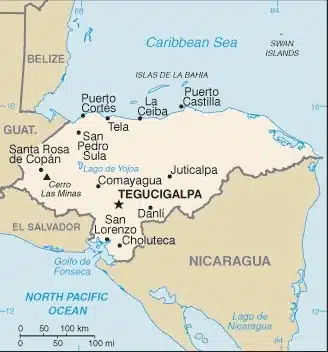 Honduras Map
Celaque National Park – The Roof of Honduras
This National Park is home to the highest mountain in Honduras, Cerro Las Minas (2,849m/1.8 miles). The Park is located in Lempira, a rich region with traditional villages.
Activities and Wildlife
* Adventurous trekking routes through dense jungle. Follow official hiking trails to prevent erosion and damage to the local flora and fauna.
* Cloud forests with jaguars, pumas and tapirs. They are present, but seeing them during a typical trek is highly improbable. You are likely to see white tailed deer, monkeys, ocelots, and monkeys.
Cuero y Salado Wildlife Refuge – Spotting Mangroves and Manatees
Here you will find quiet, unspoiled nature near La Ceiba. This wildlife refuge is an important breeding ground for migratory birds.
Activities and Wildlife
* Explore the mangroves by canoe or eco-boat tour.
* Book a tour through your eco lodge.
* Choose electric boat tours to avoid disturbing nature.
* Avoid buying souvenirs made of coral or shells.
* Protected wetlands full of manatees, crocodiles, herons and monkeys.
Río Plátano Biosphere Reserve (UNESCO World Heritage Site)
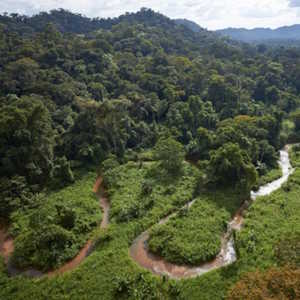
This is the largest and most pristine rainforest in Central America and home to indigenous Miskito and Pech peoples.
Activities and Wildlife
* Perfect for wildlife spotting, canoeing, and jungle trekking.
* Go with local guides to explore the jungle.
* Respect indigenous cultures and their habitats.
* Guided ecotours with indigenous Miskito and Pech communities. As well as the Tawahka, and Garifuna
* Home to jaguars, tapirs, macaws, and hundreds of bird species.
Suggestions for a 2 week Sustainable Itinerary in Honduras
Week 1
Day 1-2: Tegucigalpa
* Visit La Tigra National Park. A cloud forest with hiking trails and rich biodiversity.
* Explore the city and visit sustainable markets and local restaurants featuring organic produce.
Day 3-5: Lago de Yojoa
* Stay at one of the Honduras ecolodges at the lakeside.
* Go bird watching (more than 400 species!).
* Visit the Pulhapanzak waterfall and take a sustainable coffee tour at a local farm.
* Explore the Parque Eco-Arqueológico Los Naranjos nature reserve.
Day 6-7: Pico Bonito National Park.
* Spend the night in one of the Honduras ecolodges in the middle of the rainforest.
* Go hiking and spot wildlife.
* Take a sustainable rafting trip on the Cangrejal River.
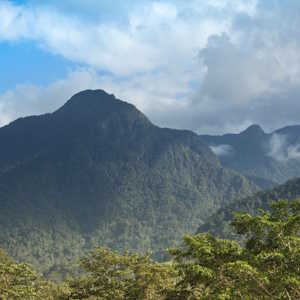 Pico Bonito
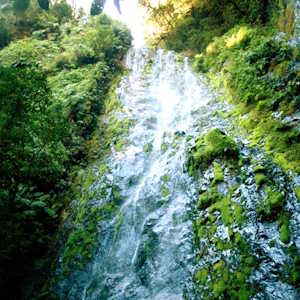
LaTigra Waterfall
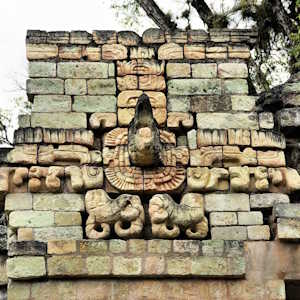 Copan ruinas
 Rio Platano
Week 2
Day 8-9: Cayos Cochino
* Take a boat to this protected archipelago.
* Snorkel or dive in a marine reserve with coral reefs.
* Visit a Garífuna community and learn about their sustainable lifestyle.
Day 10-11: Utila or Roatán (Bay Islands)
* Choose Utila if you are looking for a less commercial, sustainable diving experience.
* Choose Roatán if you’re looking for a mix of ecotourism and relaxation.
* Take an eco-friendly diving course or go swimming with whale sharks (in season).
The season is March–April and October–December, and in small groups from June–September.
Day 12-13: Copán Ruins
* Explore the ancient Mayan city of Copán and learn about sustainable restoration projects at Copán Ruinas.
* Visit Macaw Mountain Bird Park, a sanctuary for parrots and toucans.
* Take an eco-friendly coffee and cocoa tour in the hills surrounding Copán.
Day 14: Return to Tegucigalpa or San Pedro Sula
* Enjoy a relaxing last day in one of the Honduras ecolodges or on an organic farm.
Flora and Fauna in Honduras
Jaguars live in Honduras, but spotting one in the wild is extremely rare. To see a quetzal requires specific cloud forest habitats and luck! Stay at one of our Honduras ecolodges and maybe you will have such an amazing experience!
Flora – what grows here?
Ceiba Tree – prominent tree in the lowlands, sacred in Mayan culture.
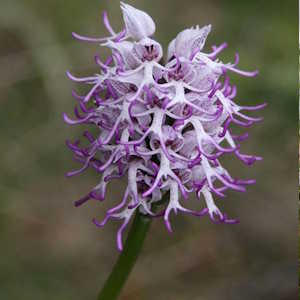
Orchids – over 600 species, including the black orchid.
Mangroves – protect the coast and provide shelter for animals.
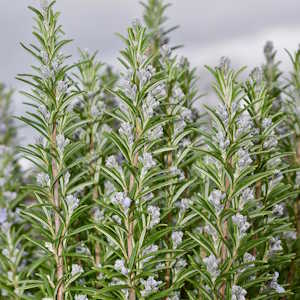
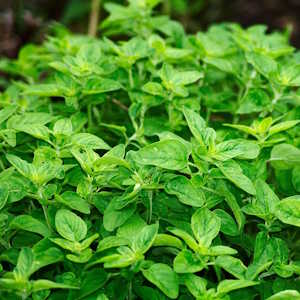
Medicinal Plants – used by the native peoples, Miskito and Garífuna. Plants include Rosemary and Oregano.
 Rosemary
 Orchid
 Oregano
Fauna – what animals will you encounter?
Mammals: more than 250 species of mammals. Jaguars, pumas, tapirs, and howler monkeys to name some.
Birds: more than 700 species of birds including toucans, quetzals, macaws, and eagles.
Reptiles and Amphibians: Sea turtles, iguanas, and coral snakes.
Marine life: whale sharks, rays, reef sharks, and tropical fish.
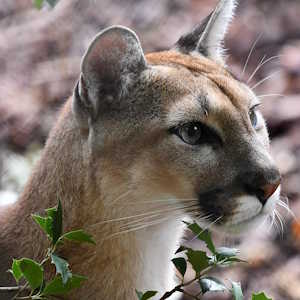 Puma
Puma
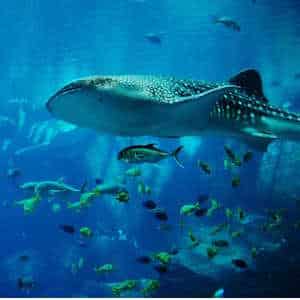 Whale Shark
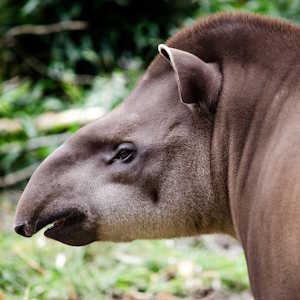 Tapir
Tapir
Small-Scale Nature Conservation Projects
Despite the challenges, there are several initiatives and projects aimed at nature conservation. They include reforestation and protection of coral reefs, turtle sanctuaries and wildlife reserves. The below projects and initiatives demonstrate the commitment of both the government and local and international organizations. Their goal is to protect Honduras’ natural resources and promote sustainable management. Many of Honduras Ecolodges can show guests ways to help conservation in this country.
Modernization of the Forestry Sector (MOSEF):
This six-year, EU-funded project supported the Honduran government in promoting good governance in the forestry sector and addressing socioeconomic problems stemming from years of mismanagement. It was completed in 2017.
La Ruta Moskitia Ecotourism Alliance:
A collaboration of six ecotourism companies managed by local indigenous communities in the Río Plátano Biosphere Reserve. The goal is to channel the financial benefits of sustainable tourism directly to these communities, reducing overexploitation of natural resources.
Pico Bonito National Park:
Located in northern Honduras, this park covers an area of 217.87 miles/350.6 Km and ranges in elevation from 60-2,480 meters/65.2-2712.2 yds. The park is managed by the Pico Bonito National Park Foundation (FUPNAPIB), which is dedicated to forest protection, sustainable resource management and environmental education.
Environmental Challenges in Honduras
Deforestation and Illegal Farming
Honduras has one of the highest deforestation rates in the world. Illegal logging and the expansion of palm oil plantations threaten rainforests. Cattle ranching and coffee plantations destroy natural habitats.
Mining and Water Pollution
Illegal gold and silver mines pollute rivers with mercury and cyanide. Mining projects threaten the Mosquitia region and Río Plátano.
Climate Change and Extreme Weather
Hurricanes, droughts and rising sea levels are destroying fragile ecosystems. Coral reefs are bleaching due to warming waters and pollution.
Overfishing and Plastic Pollution.
Illegal fishing is threatening sharks, turtles and reef fish. Plastic pollution is harming sea turtles and marine biodiversity.
Illegal Hunting and Wildlife Trade.
Jaguars and toucans are being illegally caught or killed. Turtle eggs are being poached and sold.
Government Policy on Ecotourism and Sustainability
Honduras is an emerging ecotourism destination with a focus on conservation. The government of Honduras is committed to promoting ecotourism. More than 40% of the country is covered by forests. The National Park System includes over 30 national parks and other protected areas. These areas are managed by the Consejo Nacional de Áreas Protegidas (CONAP), see link above under Conservation projects, a government institution.
In May 2024, the National Defense and Security Council declared an “environmental emergency” for Honduras’ forests. The goal was stopping deforestation and defending protected areas. Its Measures include strengthening environmental protection units and dismantling illegal activities in protected areas.
Honduras has not yet signed the Escazú Accord, which is supposed to protect environmentalists. This despite recommendations from international organizations.
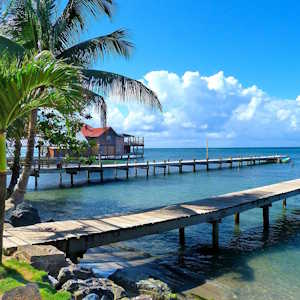 Roatan
Honduras Ecolodges and Travel Safety
Check in advance about the safety in Honduras and in the places you plan to visit. You can also consult your country’s official government websites. For American citizens, this is the US Dept. of State’s page on Honduras.