
Ecuador Eco Lodges
Discover a world of biodiversity and adventure with Ecuador Eco Lodges, where sustainable travel meets unforgettable natural beauty. Ecuador is a dream destination for ecotourists, offering everything from the enchanting Galápagos Islands to lush Amazon rainforests and towering Andes mountains. Explore vibrant ecosystems, encounter unique wildlife, and immerse yourself in indigenous cultures—all while stay
ing in Ecuador Eco Lodges that support conservation and local communities. Whether on land or sea, Ecuador invites you to travel responsibly and experience nature at its most extraordinary.
Ecuador Eco Lodges and Tours

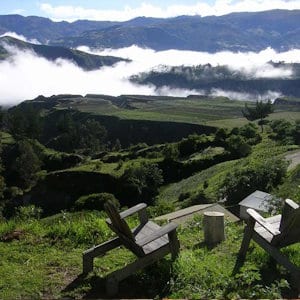
Ecuador – unparalleled wildlife experience
The countries extensive network of national parks plus the strict environmental regulations of the government to keep tourism ecologically responsible makes Ecuador a must visit for nature lovers. The Andes Mountains are home to the Quichua people, who are descendants of the Inca people. The mountains are home to volcanoes, deep lakes, and waterfalls. The Amazon Basin is on the eastern edge of the Amazon rainforest and houses only about five percent of the population, mostly indigenous tribes. Ecotourism is popular in this area that is isolated and needs preservation. Whether you’re exploring the misty cloud forests of Mindo, taking a jaguar safari in the Amazon, or snorkeling with sea turtles in the Galapagos. Ecuador offers an unparalleled wildlife experience!
Flora and Fauna in Ecuador
With four distinct geographic regions – the Amazon, the Andes, the Coast, and the Galapagos Islands – the flora and fauna are incredibly diverse. Ecuador is home to over 10% of all known animal species.
Amazon (Eastern Ecuador comprising the eastern slopes of the Ecuadorian Andes and the lowland areas of rainforest in the Amazon basin). The Ecuadorian Amazon is one of the most biodiverse places in the world, and includes protected areas such as Yasuní National Park and Cuyabeno Wildlife Reserve.
Flora:
Ceibo trees: gigantic trees with large plank roots.
Kapok trees: can grow to over 197 feet tall!
Medicinal plants: such as the ayahuasca vine, used by indigenous shamans.
Fauna:
Pink freshwater dolphins (unique to the Amazon!).
Jaguars (rare, but present in deep jungle areas).
Sloths and howler monkeys in the treetops.
Colorful birds in abundance, like Amazon parrots and Toucans.
Giant otters that hunt in packs along the rivers.
Sustainable activity: spend the night in one of the Ecuador eco lodges run by indigenous communities. Go on a night safari to spot caimans (related to crocodiles and alligators but distinct).
Andes (La Sierra) – the Andes run right through Ecuador, offering a unique highland ecosystem of volcanoes, lakes, and páramos (highland grasslands).
Flora:
Polylepis forests (ancient montane forests that grow at high altitudes).Páramo grasses and Espeletia (frailejón) that have adapted to the icy winds. Orchids (Ecuador has over 4,200 species, including the rare Dracula orchid).
Fauna:
Andean condor (one of the largest flying birds in the world, with a wingspan of 10-12 feet or 3.2 meters).
Vicuñas and llamas that graze in the highlands. Spectacled bears ( also known as the Andean bear) are one of the only bear species in South America. It is considered vulnerable.
Pumas and mountain lions deep in the mountains.
Sustainable activity: trek through Cotopaxi National Park or stay in an Ecuador Resort around Quilotoa Lagoon!
Coast (La Costa) – the Ecuadorian coastline is rich in mangroves, tropical forests and marine life.
Flora:
Mangrove forests along the coast, essential for fish and birds.
Tropical dry forests in Machalilla National Park.
Cocoa and banana plantations in Guayas and Manabí.
Fauna:
Humpback whales (can be seen between June and September in Puerto López).
Seahorses and tropical fish in the coral reefs.
Seabirds such as frigate birds and blue-footed boobies.
Sloths and capuchin monkeys in the coastal forests.
Sustainable activity: snorkeling around Isla de la Plata or visit Los Frailes, the most beautiful beach in Ecuador.
Galápagos Islands – the Galápagos is a UNESCO World Heritage Site and one of the most unique ecosystems on Earth. Darwin was inspired to write his Origin of Species after touring the Islands. The Galapagos islands are tightly controlled by the government of Ecuador. They are very concerned about habitat destruction and only allow approved eco tour agencies in the area.
Flora:
Cacti adapted to the rugged volcanic landscape.
Mangroves which provide a crucial habitat for fish and birds.
Endemic flowers such as Scalesia (also known as the “Galápagos daisy”).
Fauna:
Giant tortoises (such as Lonesome George now deceased, but an icon of conservation).
Blue-footed boobies and frigate birds with striking mating dances. Marine iguanas (the only lizards in the world that swim in the sea!).
Galapagos penguins (one of the smallest penguin species in the world).
Playful sea lions who love to interact with snorkelers.
Sustainable activity: stay in a Ecuador Eco Lodge in Santa Cruz or San Cristóbal.
Top Ecotourism Destinations in Ecuador
Galapagos Islands (UNESCO World Heritage Site)
*Visit this unique ecosystem on an eco-certified tour.
*Spot giant tortoises, sea lions, and blue-footed boobies.
*Snorkel or dive with minimal impact on the reef.
Yasuní National Park (Amazon)
*One of the most biodiverse places in the world.
*Stay in one of the Ecuador Sustainable Lodges run by indigenous communities.
*Spot pink dolphins, jaguars and colorful parrots.
Cotopaxi National Park (Andes)
*Trek to the active Cotopaxi volcano (3.66 miles).
*Cycle or horseback ride through highland páramos, the unique ecosystem of the Andes.
*Stay in a sustainable hacienda.
Mindo Cloud Forest
*A bird paradise with more than 500 bird species such as the quetzal and toucans.
*Sustainable activities such as chocolate tours, orchid gardens and butterfly farms.
*Stay in Ecuador Eco Hotels.
Machalilla National Park (Ecuadorian Coast)
*Visit Isla de la Plata, a ‘little Galapagos’ with seabirds and turtles.
*Relax on Playa Los Frailes, one of the most beautiful beaches in Ecuador.
*Spot humpback whales (June – September).
Suggested sustainable 2-Week Eco-Tourism Itinerary in Ecuador
This itinerary combines the Amazon Rainforest, Andes, Cloud Forests and Galapagos for an unforgettable experience.
Day 1-2: Quito and Mindo Cloud Forest
Arrive in Quito by plane ( the capital, 2,850 meters or 9,350 feet in altitude)
– Visit the historic center of Quito (UNESCO World Heritage).
– Stay in one of the Ecuador Eco Resorts outside the city.
Day trip to Mindo Cloud Forest
– Spot hummingbirds, butterflies and exotic birds.
– Visit sustainable cocoa plantations and organic coffee farms.
– Hike to waterfalls and explore the cloud forest.
Day 3-5: Amazon (Cuyabeno or Yasuni National Park)
Fly or travel by bus (4 hours drive) to Lago Agrio/Coca (gateways to the Amazon).
– Canoe trips in the rainforest with local guides.
– Spot caimans, pink river dolphins, monkeys and birds.
– Visit an indigenous Kichwa community and learn about sustainable agriculture.
– Stay in one of the Ecuador Eco Lodges
– Night safari to see sloths and other nocturnal animals.
Day 6-7: Baños – Adventure and Thermal Baths
Travel to Baños by bus.
– Visit the Pailón del Diablo waterfall.
– Cycle the “Ruta de las Cascadas” along rivers and gorges.
– Relax in natural thermal baths.
– Optional: sustainable canyoning (to minimize the impact on canyons) or ziplining.
Day 8-9: Cotopaxi and Quilotoa Crater Lake
Travel to Cotopaxi National Park by bus.
Cotopaxi National Park
– Hike or mountain bike around the Cotopaxi volcano (3.66 miles or close to 6 kilometers).
– Spot wild llamas and Andean condors.
Quilotoa Crater Lake
– Hike around the turquoise volcanic lake.
– Visit small-scale indigenous communities and learn about sustainable agriculture.
Stay at one of the Ecuador Eco Lodges.
Day 10-14: Galapagos Islands
Fly from Quito to Baltra (Galápagos). Please note that there is no regular passenger service by boat or by ferry. The distance (approximately 600 nautical miles) and the often-rough sea conditions make this both impractical and potentially dangerous. So flying is the best option.
– Snorkeling at Las Tintoreras or Los Tuneles (to spot sea turtles, sharks and rays if you’re lucky).
– Visit the Charles Darwin Research Station for conservation.
– Explore Isabela, Santa Cruz and San Cristóbal islands with sustainable boat tours between islands.
– Hike to the Sierra Negra Volcano.
– Relax on the sustainable beach, Tortuga Bay.
– Stay at one of the Ecuador Sustainable Lodges.
The Galapagos islands are tightly controlled by the government of Ecuador. They are very concerned about habitat destruction and only allow approved eco tour agencies in the area. Here you can see animals like the Galapagos turtles, the marine iguana, Galapagos penguins and Blue Footed boobies that are only found on the Galapagos Islands. In 2023 the Galápagos National Park Directorate (GNPD) inaugurated a new visitor booth to enhance tourist control at the entrance of Tortuga Bay. At the same time this booth prevents the introduction of non-native species.
You want to know how to travel sustainably in Ecuador? Check out our 40+ Sustainable travel Tips!
Ecological threats in Ecuador
Ecuador is a biodiversity hotspot, but the country faces serious ecological threats. Despite strong legislation to protect nature, there are many challenges. These include deforestation, oil exploitation and climate change. Fortunately, there are also many small-scale conservation projects contributing to a sustainable future.
Deforestation in the Amazon
Cause: illegal logging, agricultural expansion and infrastructure projects. One example of an infrastructure project is the building of new roads.
Consequences: loss of biodiversity, impact on indigenous communities and carbon emissions.
Fact: Ecuador lost 5.7 million acres of forest between 2001 and 2020.
Oil and mining activities
Cause: exploitation of oil fields, especially in Yasuní National Park.
Consequences: environmental pollution, oil spills which cause degradation of indigenous areas.
Fact: in 2023, a national referendum voted to stop oil extraction in Yasuní. The proposal was approved but unfortunately, as of today, not much has changed. While the 2023 referendum represented a landmark decision for environmental protection and Indigenous rights, its implementation faces significant challenges. Economic as well as political factors play a role; Ecuador’s economy heavily relies on oil revenues. The government has cited economic instability and security concerns as reasons for delaying the cessation of oil extraction in Yasuní.
Illegal fishing and poaching
Cause: international fishing fleets and demand for shark fins and turtles.
Consequences: decline of marine ecosystems, especially around the Galápagos.
Fact: hundreds of thousands of sharks are illegally caught around the Galápagos every year. Government initiatives to combat this illegal shark fishing include among others the
Expansion of Marine Protected Areas. The Galápagos National Park Directorate (GNPD) plays a crucial role in monitoring and enforcing regulations.
Climate Change and Melting Glaciers
Cause: rising temperatures and extreme weather conditions.
Consequences: melting Andean glaciers and water shortages.
Fact: Chimborazo glaciers, in the Andean Mountains, have shrunk by more than 30% in the past 30 years.
Plastic pollution and waste management
Cause: poor waste disposal and lack of recycling facilities.
Consequences: pollution of rivers, beaches and marine ecosystems.
Fact: Since 2019 the Galápagos Islands have banned plastic straws, bags and bottles.
Private and NGO Efforts
Sea Shepherd Conservation Society has been actively involved in patrolling the Galápagos Marine Reserve since 2000.
WildAid Their efforts include training park rangers, maintaining patrol vessels, and deploying technologies to monitor the reserve.
Charles Darwin Foundation
The foundation conducts research on shark populations and advocates for their protection, emphasizing the ecological importance of sharks and the threats posed by illegal fishing.
However, despite all these efforts, illegal activities persist; some of the reasons are limited resources and a high demand for shark products. But also, the extensive size of the Galápagos Marine Reserve makes monitoring and enforcement logistically challenging.
Ecuador’s Policy on Ecotourism and Sustainability
Ecuador is a world leader in ecotourism and sustainability. The government has implemented strict environmental regulations to protect the country’s unique biodiversity, particularly in the Amazon, the Andes, and the Galapagos Islands. Below, an overview of the policies, initiatives, and challenges.
Constitution and Environmental Protection (First Country with ‘Rights of Nature’)
Ecuador was the first country in the world to include the Rights of Nature in its constitution in 2008. This means that ecosystems and natural areas have legal rights, and that economic development must not harm them.
National Parks and Protected Areas
Ecuador has an extensive network of protected areas managed by the Ministry of the Environment (MAATE).There are more than 50 protected areas, including:
*Yasuní National Park (Amazon) – one of the most biodiverse places on earth.
*Cotopaxi National Park (Andes) – protection of the highland páramo.
*Machalilla National Park (Coastal) – protection of mangroves and marine ecosystems.
*Galápagos National Park – strict entry requirements and control of visitor numbers.
Sustainability measures in national parks:
*Limited number of visitors to minimize ecological damage.
*Strict waste rules: “Leave No Trace” policy.
*Control of tour operators: only eco-certified companies are allowed to operate.
*High entrance fees for conservation (e.g. $200 (US) for foreign Galapagos visitors).
Community-Based Ecotourism (Indigenous Communities)
The Ecuadorian government supports ecotourism projects in partnership with indigenous communities, particularly in the Amazon and the Andes.
Benefits of the approach of these government programs
*Creates economic opportunities for indigenous people.
*Protects cultural traditions and the rainforest.
*Creates a direct link between tourism and conservation.
Renewable Energy and Sustainable Transportation
The Ecuadorian government invests in renewable energy sources and environmentally friendly transportation, one of which is electric vehicles.
Small-scale Conservation Projects in Ecuador
Ecuador has many small-scale initiatives that contribute to sustainable nature conservation.
Want to contribute to nature conservation yourself during your trip? Visit Jocotoco Foundation nature reserves or volunteer at beach cleanups from Mingas por el Mar.
Andean Condor Huasi rehabilitation project
What: protecting wild lands, caring for and releasing Condors into the wild, and studying their movements and habitat.
Who: Hacienda Zuleta, one of our Ecuador Eco Lodges, is involved with the Andean Condor Huasi rehabilitation project.
Success: a portion of all tourism profits at Hacienda Zuleta goes back into the Galo Plaza Lasso Foundation. The project is a true example of “Conservation through Tourism” as it works to conserve, educate, and develop the community. This is another opportunity for you to volunteer.
Yasuní Green Gold Project (Amazon)
What: an initiative to protect forests without oil exploitation.
Who: indigenous Kichwa communities.
Impact: alternative income through ecotourism and sustainable agriculture.
Proyecto Washu (Cloud Forests)
What: protects the endangered brown howler monkey and its habitat.
Who: partnering with farmers to grow sustainable cocoa without deforestation.
Impact: 4942 acres of rainforest protected in the Chocó region.
Jocotoco Foundation (Andes and Coast)
What: management of 15 private nature reserves for endangered bird species.
Where: some of the places are Buenaventura, Tapichalaca and Yanacocha reserve.
Impact: as well as other things, they protect the rare El Oro parakeet.
Galápagos Conservancy (Galápagos)
What: protection of giant tortoises and ecosystems.
Impact: reintroduction of more than 15,000 turtles on several islands. As well as working with local fishermen to reduce illegal fishing.
Mingas por el Mar (Plastic Fighting)
What: volunteers organize beach cleanups along the coast of Ecuador.
Where: popular surfing and tourism spots such as Montañita and Puerto López.
Impact: they have already removed more than 100 tons of plastic from the ocean!
Ecuador Eco Lodges and Travel Safety
Before booking your Ecuador Eco Lodges, check the safety situation in the country and in the areas you plan to visit. If you get some first-hand information, great, but do some fact-checking. Not everything you read on social media channels is true.
You can also consult your country’s official government website. For American citizens, this is the Ecuador page on the US Dept. of State:
https://travel.state.gov/content/travel/en/international-travel/International-Travel-Country-Information-Pages/Ecuador.html
Leave a Reply
Want to join the discussion?Feel free to contribute!