
North America Ecotourism
North America is made up of three large countries: Canada, the United States, and Mexico. Each country has a unique geographical location, history, and culture, but they are all connected by trade, migration, and ecological ecosystems. These countries offer a wide range of sustainable travel and ecotourism experiences. From pristine nature parks to eco lodges and wildlife refuges, each country has its own approach to sustainable tourism and nature conservation.
North America Ecolodges and Ecotours

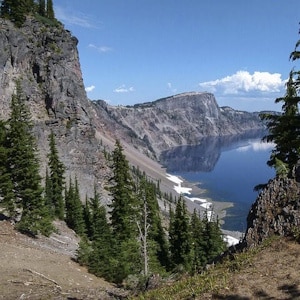

North America Ecotourism
North America Ecotourism and sustainable tourism are growing priorities on the continent. In Canada, vast national parks and a strong commitment to conservation make it a leader in eco-conscious travel. Initiatives protect species like the caribou and promote low-impact activities.
After the 2017 change in administration, The United States shifted its focus away from broad environmental protection. Policies promote fossil fuel development on public lands and offshore areas, while also seeking to streamline environmental reviews for infrastructure projects. This led to a different approach to tourism. It emphasized national parks and outdoor recreation as a means for economic growth rather than for strict conservation. Hopefully a new admistration will rectify that!
Meanwhile, Mexico has continued to become a key player in North America Ecotourism by focusing on preserving its rich biodiversity and cultural heritage through certified ecotourism programs. This includes preserving crucial ecosystems like the Monarch Butterfly Biosphere Reserve. While each country pursues its own path, they all aim to provide authentic, educational experiences that connect travelers with nature and culture.
Highlights of North America Ecotourism
North America ecotourism offers stunning destinations that blend nature, culture, and conservation. From tundra to tropics, these sites showcase North America’s unmatched ecological diversity and invite responsible travel.
- Banff National Park, Canada: Banff Park features spectacular mountains and turquoise glacial lakes, such as Lake Louise and Moraine Lake. There are also plenty of opportunities to spot wildlife, like grizzly bears and moose.
- Great Bear Rainforest, Canada: The Rainforest is home to the rare spirit bear, ancient cedars, and Indigenous stewardship.
- Yellowstone National Park, USA: Yellowstone is the oldest national park in the world. It’s famous for geysers like Old Faithful. You’ll find vast wilderness and animals such as bison herds and bears in this park. The Park spans Wyoming, Montana, and Idaho. Gray wolves were re-introduced in Yellowstone in 1995.
- Everglades National Park, USA: The Everglades is a unique subtropical ecosystem in Florida, which has mangroves, alligators, panthers, manatees, and a huge variety of birds. You can take sustainable airboat tours and kayaking trips here.
- Copper Canyon, Mexico: this gigantic canyon system in Chihuahua is deeper than the Grand Canyon. It has spectacular hiking trails and Tarahumara communities, an Indigenous community of nearly 100,000 people living sustainably.
- Sian Ka’an Biosphere Reserve, Mexico: The Reserve is an UNESCO World Heritage Site in Quintana Roo. The Biosphere has mangroves, coral reefs, and lagoons teeming with animals like dolphins, sea turtles, and jaguars.
- Monarch Butterfly Reserves, Mexico: These are winter sanctuaries in Michoacán and Estado de México where millions of monarchs gather every year during migration. It’s a magical natural phenomenon that’s not to be missed.
North America Ecotourism | United States
The U.S. offers a huge variety of nature and ecotourism options. These range from rugged mountain ranges and vast forests to deserts and wetlands. Ecotourism in the U.S. revolves around sustainable travel experiences in national parks, protected areas, and community-focused eco-initiatives. Many areas offer opportunities to spot wildlife, camp sustainably, and participate in environmentally friendly activities. These activities include hiking, kayaking, and wildlife tours.
More United States Highlights You Shouldn’t Miss
• Yosemite National Park, California: This park is known for its granite cliffs, waterfalls, and giant sequoias.
• Great Smoky Mountains National Park, Tennessee and North Carolina: This park has misty mountain peaks, dense forests, and incredible biodiversity. It’s ideal for hiking and nature photography.
• Denali National Park, Alaska: This is untamed wilderness with breathtaking landscapes, North America’s highest mountain (Denali), and opportunities to spot grizzly bears, moose, and caribou.
• Grand Canyon National Park, Arizona: This is one of the most impressive natural wonders in the world. It has sustainable hiking trails and viewpoints.
Best Time to Travel in the United States
Spring (April to May) and fall (September to October) suit many regions. You can expect milder temperatures, less risk of wildfires or hurricanes, and fewer crowds.
Deserts and Southwest: October to March is best.
Alaska and High Rockies: June to August is ideal.
Florida and Gulf/Southeast coasts: November to April is best. This is outside the peak hurricane season.
You may need to travel at different times but these are suggestions as to best times.
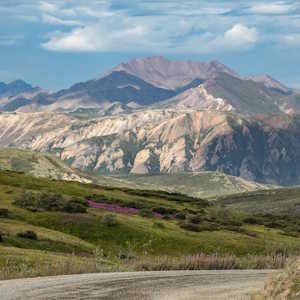 Alaska
Sustainable Travel Within the United States
• Train (Amtrak): Train is the best option for long distances.
• California Zephyr: This iconic route travels from Chicago to San Francisco via Amtrak.
• Northeast Corridor: A train route from Boston to Washington, D.C. with stops in major cities. Mostly run by Amtrak, it is fast and efficient.
• Bicycles and Public Transportation: Portland, San Francisco, and New York are bicycle friendly. Electric buses and subways can be found in many cities.
North America Ecotourism | Mexico
Mexico is a fantastic destination for ecotourism, with incredible biodiversity and a wide range of ecosystems. These range from tropical rainforests and mountains to coral reefs and deserts. The country is increasingly committed to sustainable tourism. Mexico has nature reserves, eco lodges, and community-focused initiatives that give travelers the opportunity to explore nature without causing damage. Activities like snorkeling in cenotes, a natural sinkhole that can be a cave or open water area. As well as whale shark spotting, and visiting Indigenous communities. This make Mexico a top destination for ecotourists.
Flora and Fauna of Mexico
Mexico’s landscapes range from deserts to rainforests, each with distinctive flora. Deserts feature nopal cactus and agave, while rainforests host ceiba and mahogany. Cloud and temperate forests shelter pines, oaks, and Abies religiosa/oyamel fir, as well as the rare resplendent quetzal and ocelot.
Fauna is equally rich, with jaguars and howler monkeys in tropical forests, coyotes in deserts, and monarch butterflies in temperate fir forests. Wetlands and coasts support flamingos, manatees, whale sharks, and sea turtles.
Highlights You Shouldn’t Miss
• Sumidero Canyon National Park, Chiapas: this is an impressive gorge with steep walls. It has spectacular cliffs and exotic animals like crocodiles and monkeys.
• Calakmul Biosphere Reserve, Campeche: this remote jungle is full of Mayan archaeological ruins. It is also one of the best places in Mexico to spot wild jaguars, very rare.
• Los Tuxtlas Biosphere Reserve, Veracruz: this hidden gem has volcanoes, rainforests, and an abundance of birds and monkeys. It’s perfect for ecotourism away from the crowds.
Best Time to Visit Mexico
Dry season (November to April) is ideal nationwide for trekking, birding, reefs, and jungles; it’s cooler and less humid.
Pacific gray whales (Baja): January to March.
Monarch butterflies (Michoacán): November to March.
Avoid peak hurricane season (August to October) on the Caribbean and Gulf coasts.
At Chichén Itzá, the Equinox Shadow Phenomenon occurs twice a year, in March and September. The sunlight creates a serpent-shaped shadow descending the El Castillo, the biggest temple. This symbolizes the feathered serpent god Kukulkán.
 Quetzal
Sustainable Travel Within Mexico
• Bus: this is the best long-distance option. ADO and ETN offer luxury buses with low emissions per passenger. Long-distance travel by bus is cheaper and more sustainable than flying.
• Carpooling and Public Transportation: use BlaBlaCar to travel sustainably between cities. Mexico City has a good metro network, and electric buses are becoming increasingly popular.
North America Ecotourism | Canada
Canada is a paradise for nature lovers and ecotourists. The country is known for its vast wilderness, protected nature reserves, and sustainable tourism initiatives. From temperate rainforests and mountains to tundras and fjords, Canada offers countless opportunities to enjoy nature in an environmentally friendly way. Ecotourism here revolves around responsible travel. Canada has a focus on preserving ecosystems, respecting Indigenous cultures, and sustainable outdoor activities like hiking, kayaking, and wildlife viewing.
Flora and Fauna of Canada
Canada’s flora is diverse, spanning tundra, forests, prairies, and rainforests. Arctic willow, lichens, and dwarf birch thrive in the north, while boreal forests feature spruce, pine, birch, and aspen. Prairies host grasses and prairie crocus, while coastal rainforests shelter cedar, fir, and hemlock.
Canada’s fauna includes iconic species like the polar bear, moose, and beaver. Caribou, wolves, and lynx inhabit forests, while bison and pronghorn roam the prairies. Temperate rainforests shelter bears, salmon, and eagles, reflecting Canada’s ecological richness.
Ecotourism Highlights:
• Churchill, Manitoba: Known as the “Polar Bear Capital of the World”. You can see these majestic animals in the wild, along with beluga whales and the Northern Lights.
• Pacific Rim National Park Reserve, British Columbia: This park has rugged coastlines, temperate rainforest, and the famous West Coast Trail. It’s perfect for sustainable surfing, kayaking, and whale watching excursions.
• Gros Morne National Park, Newfoundland and Labrador: This UNESCO World Heritage Site has fjords, table mountains, and unique geology. It offers a glimpse into the evolution of the Earth.
Best Time to Visit Canada
Late spring to early fall (May to September) for most parks and wildlife viewing.
September to October adds fall colors and fewer crowds.
In the Far North, the prime window is mid-June to August.
Winter (December to March) is for Northern Lights and winter activities.
You need to choose the time that is best for your purposes. But these times are recommendations to help you decide.
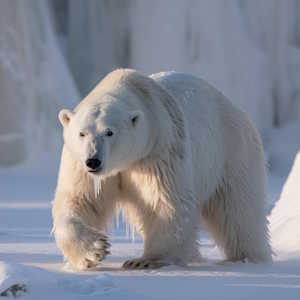 Polar Bear
Sustainable Travel Within Canada:
• Train (VIA Rail): This is the best option for long distances.
• Vancouver to Jasper to Toronto is a beautiful route through the Rockies.
• Cycling and Public Transportation: Montreal and Vancouver are bike-friendly cities. You can find buses and subways in cities like Toronto and Montreal. They are more environmentally friendly.
Sustainable Travel Between Canada, the US, and Mexico
Train: This is the most eco-friendly long-distance option.
• Canada: VIA Rail offers long-distance trains; one route is between Toronto and Vancouver.
• United States: Amtrak has extensive routes, such as the Coast Starlight (Seattle to Los Angeles) and the California Zephyr (Chicago to San Francisco).
• Mexico: train networks are limited, but the Chepe Express through the Copper Canyon is a spectacular ecotourism option.
Tip: use night trains to save time and accommodation costs! Though you might miss the views!
Bus: Affordable and reasonably sustainable
• FlixBus and Greyhound connect cities in Canada and the U.S.
• ADO and ETN are good bus companies in Mexico with comfortable long-distance rides. The ADO website is often only accessible if you’re inside Mexico.
Tip: Choose electric or biodiesel buses where possible, such as in some cities in California and Vancouver.
 Train
Train
 Railroad

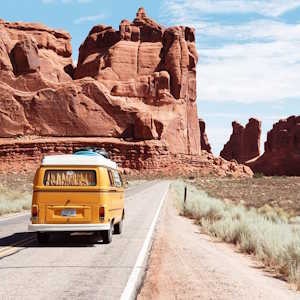 Driving in Arches National Park
- Air Canada

Rental Car: Electric Rental Car or Carpooling
Choose a small, fuel-efficient car if you’re going on a long road trip.
In Canada and the U.S., electric rental cars (EVs) are available from major rental companies.
Flying: Only when absolutely necessary
• Direct flights are less polluting than flights with stopovers.
• Choose airlines that offer CO2 compensation, such as Air Canada, Delta, and Alaska Airlines.
• Avoid domestic flights whenever possible; the train or bus is a better alternative for sustainability.
Tip: combine train and plane; for example, fly to a hub and then continue your journey by train.
Ecological Threats in North America
North America is a paradise for ecotourists, whether you’re kayaking among glaciers, birdwatching in wetlands, or hiking through deserts. But the continent also faces pressing ecological threats that shape how governments and communities manage tourism sustainably. North America’s wild places are extraordinary and fragile. By understanding the threats and supporting government and community sustainability efforts, ecotourists can play a vital role in protecting them. Every choice you make, whether it’s where you sleep, how you travel, or when you visit, can help ensure that these landscapes remain vibrant for generations to come.
- Climate change is the most urgent challenge. Rising temperatures trigger glacier melt, sea-level rise, extreme storms, and devastating wildfires across Canada, the U.S., and Mexico. Ecosystems are shifting, boreal forests are stressed, prairies are drying, and coral reefs in the Caribbean are bleaching. All due to climate change.
- Habitat loss and fragmentation, that is driven by urban growth, agriculture, and infrastructure, further threaten biodiversity. Species from caribou in the Canadian Arctic to monarch butterflies in Mexico are at risk as well.
- Pollution also takes a toll. Ocean plastics, industrial waste, and pesticide runoff harm marine and terrestrial life.
- Over-tourism in fragile destinations, from Yosemite’s meadows to Cancún’s reefs, adds pressure to ecosystems.
Government Policies
Canada’s Federal Sustainable Development Strategy sets nationwide goals tied to the UN Sustainable Development Goals. Parks Canada integrates climate action, Indigenous stewardship, and ecological restoration into park management. Travelers can expect eco-certifications, responsible visitor programs, and strong protection of national parks and reserves.
The America the Beautiful (30×30), set up by the Biden administration in 2021 was a plan to conserve 30% of the United States’ lands and waters by 2030. These conservation targets were rolled back in 2025 under President Trump’s policies, with reduced federal land protection. Climate programs in the National Park Service lost momentum, while funding shifted toward resource use and development. Sustainable tourism remains community-driven, but federal leadership on climate adaptation and low-impact travel have weakened significantly. As a US citizen, I am saddened by this, Lise Tyrrell, and so are many Americans. Hopefully by next election, we will be in the majority!
Mexico’s Distintivo S program certifies hotels and tour operators for sustainability based on international standards. The Sectoral Tourism Program emphasizes social inclusion and eco-friendly development, while the National Commission of Protected Natural Areas (CONANP) manages over 180 reserves and parks. Recent initiatives focus on integrating biodiversity conservation into tourism, especially in coastal and reef ecosystems. Most information about the Distintivo S program is in Spanish.
Staying Safe While Traveling in North America
North America is one of the most popular and generally safe regions to explore, but like any destination, travelers should stay alert.
- In cities across the continent, petty crime like pickpocketing can occur in crowded places, especially on public transport or during large events. Violent crime is rare for tourists but can happen in certain urban neighborhoods. Research local advice before wandering off the beaten path.
- Nature safety is just as important. Wildfires, hurricanes, and heatwaves are increasing with climate change, so visitors to parks should monitor official alerts. Encounters with wildlife, from bears in Canada to alligators in the U.S. south, require following park rules and keeping a safe distance.
- In Mexico, many tourist areas are safe, particularly popular resorts and eco-lodges. However, some regions face organized crime violence. Avoid remote border zones and check government travel advisories. Stick to reputable operators and well-visited areas for ecotourism.
- Across the continent, road safety and long distances are a concern. Drive carefully, avoid night travel in rural Mexico, and plan your routes in advance. With awareness and preparation, North America offers safe, memorable adventures, from bustling cities to pristine wilderness.
Leave a Reply
Want to join the discussion?Feel free to contribute!