
Africa Ecotourism
Practice ecotourism and sustainable tourism in Africa — the continent is incredibly varied and rich in natural beauty, cultural treasures, and unique ecosystems. Africa Ecotourism involves traveling while being careful with nature and culture, with revenues going to local communities and conservation efforts. Many African countries promote low-impact nature activities such as hiking and birding, and electric vehicle safaris.
Africa – Eco lodges and Eco Tours


Eco and Sustainable Tourism in Africa
What truly sets Ecotourism in Africa apart is the shift in management. Older models relied on “fortress” conservation. Now, Africa focuses on complete community inclusion. Local communities in Kenya and Namibia manage vast wildlife conservancies. This creates something greater for everyone involved. Indigenous populations receive direct financial returns from tourism. Because of this, they become the primary defenders of the wildlife. They work hard to stop poaching and habitat destruction. This model ensures that people and nature thrive together.
African nations have also mastered a specific business model. They use a “high-value, low-volume” approach. Countries like Rwanda charge premium fees for exclusive experiences. Gorilla trekking is a perfect example. These fees generate massive revenue for conservation. Meanwhile, actual foot traffic remains very low. This keeps the carbon footprint incredibly small. Many properties now use 100% solar power and also run zero-waste operations. This allows travelers to leave a lasting, positive legacy. Their vacation directly supports the wilderness and its people.
Africa Ecotourism highlights
Here are some of the best countries for ecotourism, with a brief explanation:
- Namibia | biggest success in community-based conservancies. Has desert landscapes, and plenty of wildlife.
- Botswana | has a good sustainable safari model, low tourist density, and contains the Okavango Delta.
- Rwanda | primates (gorillas), zero plastic policy, luxury ecotourism
- Uganda | gorilla and chimpanzee walks/trekking, and eco lodges in the rainforest.
- South Africa | many national parks, good sustainability policy, diverse landscape.
- Tanzania | the protected ecosystem of Serengeti, and Ngorongoro Conservation Area. Enjoy eco-safaris.
- Madagascar | most of the flora and fauna is unique, as well as ecologically vulnerable but beautiful.
- Kenya | conservancies, community organized safaris, many efforts for different sustainable tourism practices.
Africa Ecotourism – Kenya
Kenya is a pioneer in community-based conservation and ecotourism, with a growing network of wildlife conservancies, eco lodges, and community-run tourism initiatives. Many Eco lodges and tented camps across the country use solar power, greywater systems, and local employment models.
Sustainable Transport
- Matatus (privately owned minibuses) and shared minibuses – affordable, local experience for short distances, but not always reliable.
- Electric safari vehicles – offered by some eco lodges in Laikipia County and Masai Mara conservancies.
- Train Standard Gauge Railway (SGR)– the new Mombasa–Nairobi Standard Gauge Railway is comfortable, scenic, and far more sustainable than domestic flights.
- Walking safaris – popular in conservancies like Loita Hills and Laikipia County.
Highlights in Kenya
- Masai Mara Conservancies – Adjacent to the main reserve, these private, community-run areas offer low-impact safaris, fewer crowds, and real benefits to local Maasai Mara communities.
- Laikipia Plateau – home to innovative conservancies like Ol Pejeta: big 5 game animals and rhinoceros conservation. Lewa Wildlife Conservation (UNESCO site), supports endangered species and local livelihoods.
- Lake Naivasha and Lake Nakuru – excellent birdlife and lake-based ecotourism, with opportunities to support local environmental groups.
- Chyulu Hills – scenic volcanic hills between Amboseli and Tsavo, ideal for walking safaris, carbon-offset programs, and community lodges.
- Mount Kenya National Park – UNESCO-listed, excellent trekking and wildlife viewing in alpine and montane ecosystems
- Kisite-Mpunguti Marine Park – for snorkeling, dolphin watching, and coral reef conservation efforts near Wasini Island on the south coast.
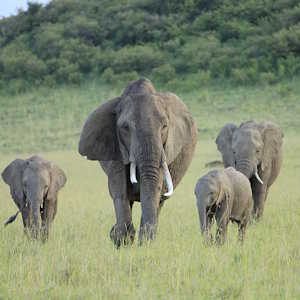 Masai Mara National Reserve
When is the Best Time to Visit Kenya?
July to October – peak dry season, ideal for safaris and the Great Migration of wild animals in the Masai Mara (August–September).
January to March – another dry, sunny period with excellent wildlife visibility.
Rainy seasons (April–May and November) – lush scenery, fewer tourists, but some roads can be challenging.
Africa Ecotourism – Mauritius
Mauritius is more than its beautiful beaches — it’s home to rare endemic species, rich coral reefs, and a variety of protected nature reserves. Ecotourism focuses on restoring native ecosystems, marine conservation, and low-impact adventure tourism.
Sustainable Transport
- Public buses – inexpensive, widespread across the island, and fairly reliable during the day.
- Bicycles and e-bikes – ideal for exploring coastal roads and smaller towns (some lodges rent bikes).
- Walking tours – best for nature reserves, forest trails, and urban heritage areas like Port Louis and Mahebourg.
- Electric or hybrid rental cars – available through some agencies if you need flexibility.
Highlights in Mauritius
- Black River Gorges National Park – the largest native forest reserve, home to the endangered Mauritius kestrel, pink pigeon, and giant fruit bats. Great for hiking.
- Île aux Aigrettes – a small coral island managed by the Mauritian Wildlife Foundation, where you can see giant Aldabra tortoises, one of the largest tortoises in the world and restored endemic flora.
- La Vallée de Ferney Nature Reserve – a private reserve with eco-guided walks, birdlife, and rewilding programs.
- Chamarel and Ebony Forest – offers canopy walks and immersive conservation experiences, such as replanting native trees and protecting endangered species.
- Blue Bay Marine Park – snorkel or take glass-bottom boat tours to see protected coral reefs and tropical fish.
- Rodrigues Island – a remote eco-paradise promoting community tourism, traditional fishing, and reef restoration.
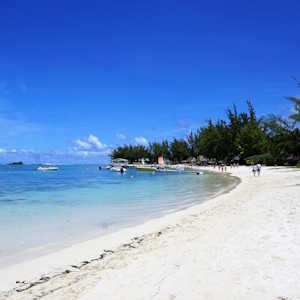 Beach of Mauritius
When is the Best Time to Visit Mauritius?
May to December (cool, dry winter) – ideal weather with warm days, low humidity, and little rain — best for hiking and snorkeling.
January to March – warmest and wettest months; though there is a risk of cyclones, especially in February.
April and early December – fewer tourists and good weather.
Africa Ecotourism – Mozambique
Mozambique is a hidden gem for Africa ecotourism. It has a pristine coastline, marine biodiversity, and wildlife national parks. It’s ideal for travelers seeking off-the-beaten-path nature experiences and community-based tourism.
Sustainable Transport
- Minibuses (“chapas”) – common and cheap for short to medium distances, though often crowded and informal.
- Walking and cycling – best in towns and around coastal areas or islands like Ibo or Bazaruto.
- Dhow sailing – traditional wooden sailboats are used for island hopping in Bazaruto and Quirimbas — scenic, local, and low-impact.
- Shared 4×4 transport – essential for accessing parks like Gorongosa or Niassa, best arranged through Mozambique eco lodges or tour operators to reduce emissions per traveler.
- Domestic flights – often necessary for longer distances due to poor road infrastructure.
Highlights Mozambique
- Bazaruto Archipelago National Park – crystal-clear waters, dugongs, coral reefs, whale sharks, and low-impact island lodges. One of Africa’s top marine reserves.
- Quirimbas Archipelago – remote, pristine islands in the north with snorkeling, mangrove kayaking, and dhow sailing; strong local involvement in eco lodging.
- Gorongosa National Park – a powerful conservation success story; now home to recovering populations of lions, elephants, and antelopes. Offers safaris, birding, and community-focused tourism.
- Maputo Special Reserve – coastal wilderness with elephants, hippos, and rare birds; increasingly accessible from the capital and part of the Lubombo Transfrontier Conservation Area. (Transfrontier conservation areas are those that straddle 2 or more countries)
- Tofo and Barra Beaches – snorkel or dive with manta rays, whale sharks, and humpback whales. Tofo has some of the best community-run marine eco-initiatives in the country.
- Niassa Reserve – remote wilderness for true adventurers, co-managed with local communities.
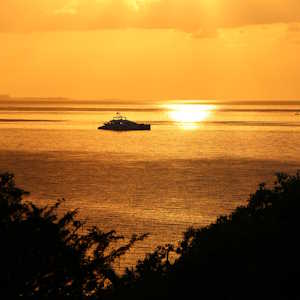 Mozambique Sunrise
When is the Best Time to Visit Mozambique?
Dry Season (May to October) – best for beach, diving, and wildlife viewing. Cool, dry, and mosquito levels are low.
Wet Season (November to April) – lush and green, but can be very hot and humid, with tropical storms and challenging road conditions in rural areas.
Best wildlife months: July–October.
Best diving and whale-watching: June–September.
Africa Ecotourism – Namibia
Namibia is a global leader in ecotourism and conservation, with stunning desert landscapes, unique wildlife, and a groundbreaking model of community-managed tourism. Namibia was the first African country to include environmental protection in its constitution, and it has built a world-renowned ecotourism system that benefits both wildlife and local communities.
Sustainable Transport
- Self-drive in a fuel-efficient 4×4 – popular and practical; choose diesel-efficient or hybrid models where possible. Stay longer in fewer places to reduce driving.
- Group tours – join small-group eco-tours to reduce carbon footprint and support local guides.
- Walking safaris and bush trails – offered in areas like Damaraland or NamibRand for a true slow-travel experience.
- Public transport (limited) – available between major towns, but not suitable for remote eco-destinations.
Highlights Namibia
- Etosha National Park – iconic for wildlife viewing, especially at waterholes. Self-drive options and eco-accommodation make it easy and sustainable.
- NamibRand Nature Reserve – one of Africa’s largest private reserves, with minimal-impact tourism, dark skies for stargazing, and desert-adapted wildlife.
- Sossusvlei and Deadvlei (Namib-Naukluft Park) – towering red dunes and surreal salt pans.
- Skeleton Coast – wild, remote, and starkly beautiful. Fly-in safaris can be offset with long stays and local engagement.
- Damaraland and Twyfelfontein – home to desert elephants (African bush elephants), black rhinos, and UNESCO-listed rock engravings. Community conservancies offer guided cultural and wildlife experiences.
- Caprivi/Zambezi Region – lush and riverine (related to or on a river), perfect for birdwatching, mokoro trips (a traditional canoe), and community-run camps.
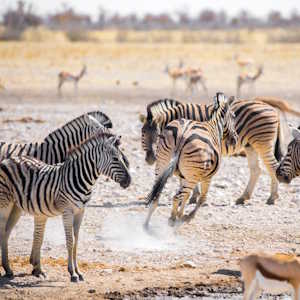 Namibia Zebras
When is the Best Time to Visit Namibia?
Dry Season (May to October) – best time for wildlife viewing, cool nights and warm days, especially ideal for Etosha and the desert regions.
April and November – fewer tourists, pleasant weather, and good value.
Wet Season (December to March) – greener landscape and fewer crowds, but wildlife disperses and some roads may be muddy or impassable.
Best balance of comfort and wildlife: July–September.
Africa Ecotourism – Rwanda
Rwanda is a shining example of how ecotourism can support conservation and community development. Known as the “Land of a Thousand Hills,” it offers lush rainforests, rare wildlife, and a strong sustainability ethos. Rwanda has become a top ecotourism destination in Africa, especially known for its mountain gorilla conservation efforts.
Sustainable Transport
- Shared tours and transfers – many Rwanda eco lodges and parks offer organized small-group transport to reduce emissions and support local guides.
- Public buses and minibuses – they are extensive and cheap across major routes (e.g. Kigali to Musanze, Lake Kivu), though less flexible.
- Walking and biking – ideal for exploring towns and lakeshores (Lake Kivu has a multi-day Congo Nile Trail for hikers and bikers).
- Moto-taxis (electric motorcycles) – gaining popularity in Kigali as a greener alternative.
- Carpooling or renting fuel-efficient vehicles – to visit remote parks; if possible, go with local eco-certified operators.
Highlights Rwanda
- Volcanoes National Park – home to endangered mountain gorillas; guided gorilla trekking supports anti-poaching and funds community projects.
- Nyungwe Forest National Park – one of Africa’s oldest rainforests, with chimpanzee trekking, canopy walks, and birdwatching (home to 300+ species).
- Akagera National Park – a savanna park restored through rewilding efforts (Big Five sightings possible); community lodges and boat safaris are available.
- Lake Kivu – a scenic freshwater lake with sustainable fishing villages, kayaking, and Rwanda eco lodges.
- Gishwati-Mukura National Park – Rwanda’s newest park, focused on forest restoration and small-scale ecotourism with the community benefitting.
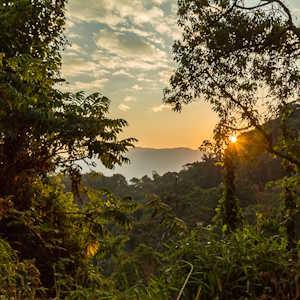 Rwanda Nyungwe National Park
When is the Best Time to Visit Rwanda?
Dry Seasons: Mid-December to February,
June to September – best for gorilla trekking, hiking, and wildlife viewing.
Wet Seasons (March–May, October–mid-December):
more lush landscapes and fewer tourists, but trails can be slippery.
June–September is the optimal time for trekking and park visits, with lower rainfall and cooler temperatures.
Africa Ecotourism – South Africa
South Africa is one of the most biodiverse and ecotourism-rich countries in the world, with ecosystems ranging from savannahs to coastlines and mountains. South Africa offers world-class ecotourism experiences that combine wildlife, conservation, culture, and sustainability. The country has a mature tourism industry with a growing number of eco-certified lodges (lodges with Fair-Trade Certifications) and community-based tourism initiatives.
Sustainable Transport
- Baz Bus – a hop-on hop-off backpacker-style bus connecting major eco-destinations; supports local hostels and minimizes car use.
- Train travel – Shosholoza Meyl (economical intercity trains) and luxury options like Rovos Rail or the Blue Train (less eco, but high-value/low-volume).
- Minibus taxis and buses – widespread but informal; best used with local knowledge. Safer to use larger operators like Intercape or Greyhound.
- Car hire (hybrid or economy) – best for exploring national parks or remote regions like the Wild Coast. Travel slowly and stay longer per stop.
Highlights South Africa
- Kruger National Park and Greater Kruger (an unfenced area between Kruger National Park and surrounding private game reserves) – iconic Big Five safaris with numerous eco-lodges and private conservancies emphasizing conservation and benefitting locals.
- iSimangaliso Wetland Park (KwaZulu-Natal) – a UNESCO World Heritage Site with diverse ecosystems: coral reefs, wetlands, savannahs, and abundant wildlife.
- Cape Floral Region (Western Cape) – one of the richest plant kingdoms on earth. Explore Table Mountain National Park and the Garden Route’s fynbos ecosystems (Fynbos is a unique shrubland ecosystem with a high biodiversity and endemic plant species).
- Addo Elephant Park – a successful elephant conservation Park. Marine and land safaris near Port Elizabeth.
- Cederberg and Drakensberg Mountains – hiking, Sand rock art, and nature reserves with eco-trails and low-impact tourism.
- Wild Coast (Eastern Cape) – remote, traditional, and biodiverse. Community-based tourism thrives here with homestays and guided hikes.
- Kgalagadi Transfrontier Park – a semi-desert park known for conservation innovation, predator sightings, and low visitor numbers.
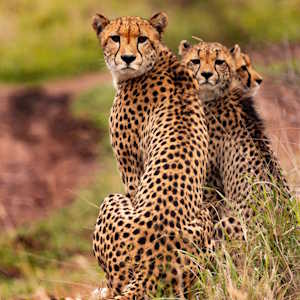 South Africa Cheetahs
When is the Best Time to Visit South Africa?
South Africa is a year-round destination, but the best timing depends on where you’re going:
May to September (dry winter) – ideal for wildlife viewing in Kruger and the northeast; animals gather at waterholes.
October to March (summer) – great for the Cape Region: wine lands, whale watching (June–November), and the Garden Route.
August to October – wildflower season in the Northern and Western Cape.For a balance of wildlife, coast, and comfort.
September–October is excellent across most regions.
Africa Ecotourism – Tanzania
Tanzania is a flagship ecotourism destination in Africa. It is home to some of the continent’s most iconic wildlife experiences and a growing network of eco-conscious accommodations and community-based tourism. Tanzania blends spectacular natural beauty, rich cultural heritage, and high-biodiversity ecosystems.
Sustainable Transport
- Shared or group safaris – reduce emissions and cost by joining shared tours with eco-certified operators.
- Local buses (dala-dala) – widely available for intercity travel, though basic; best for adventurous travelers on a budget.
- Train travel – the TAZARA Railway (Dar es Salaam to Mbeya or Zambia) is a scenic, low-footprint option.
- Walking and biking tours – offered in villages, spice farms, and around Kilimanjaro and the Usambara Mountains.
Highlights Tanzania
- Serengeti National Park – witness the Great Migration (wildebeest, zebras, and gazelles). Stay at Tanzania eco lodges and low-impact mobile camps (which can be semi-permanent or mobile. Usually in tent form).
- Ngorongoro Conservation Area – a UNESCO World Heritage Site where wildlife coexists with Maasai Mara pastoralists in a unique conservation model.
- Mount Kilimanjaro National Park – Africa’s tallest peak and a key eco-trekking destination with strict waste management and porter welfare regulations.
- Ruaha National Park – a vast, less-crowded gem for safari lovers seeking an off-the-beaten-path experience.
- Nyerere National Park (Selous) – one of Africa’s largest wilderness areas, ideal for walking safaris and boat trips.
- Zanzibar – offers community-run spice tours, and marine conservation projects. Has eco-lodges along pristine beaches and coral reefs.
- Usambara Mountains – known for hiking trails, and community-based forest tourism projects (local communities managing and benefiting from tourism activities within their forests).
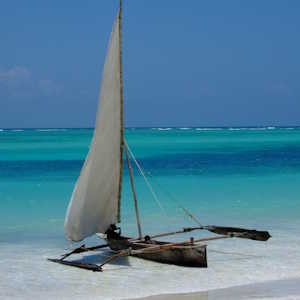 Tanzania Zanzibar
When is the Best Time to Visit Tanzania?
June to October (Dry Season): best for safaris (clear visibility and animals gather at water sources). Ideal time for the Great Migration (July–September crossing the Mara River). Fewer mosquitoes and less rain.
November to March (Green Season): lush landscapes, fewer tourists, and great for birdwatching.
January–February is calving season for both cows (domestic cattle) and certain wild hoofed animals, like wildebeest in the southern Serengeti.
Avoid March–May (long rains): road-based travel is difficult, unless you’re looking for discounts and solitude.
Africa Ecotourism – The Gambia
The Gambia’s ecotourism is centered around its diverse riverine ecosystems, community-based tourism, and birdwatching — the country is a magnet for eco-conscious travelers.
Sustainable transport
- Local shared minibuses (“gele-gele”) – affordable and efficient for short trips (though not always the most comfortable).
- Walking or biking – ideal for exploring villages and nature reserves.
- River transport (a type of small, flat-bottomed boat) – especially sustainable and scenic for exploring riverine areas like Makasutu or Baboon Island.
- Eco lodges with shuttle services – many offer group transport options to reduce emissions.
- Car rentals with local drivers – if you need to cover more remote areas, use local guides or tour operators who bundle rides with community visits.
Highlights The Gambia
- Abuko Nature Reserve – Gambia’s first protected area, great for primate and birdwatching.
- Tanji Bird Reserve and Tanji Fishing Village – a top destination for birdwatchers (over 300 species) and a cultural experience.
- Makasutu Culture Forest – a regenerated tropical forest on the banks of a tidal river, combining conservation, eco lodges, and community culture.
- Kiang West National Park – one of the largest parks, good for spotting warthogs, monkeys, and rare birds.
- River Gambia National Park (Baboon Island) – home to rehabilitated chimpanzees via the Chimpanzee Rehabilitation Project. Baboons can also be found there.
- Kunta Kinteh Island (UNESCO site) – a cultural and historical must-see linked to the transatlantic slave trade.
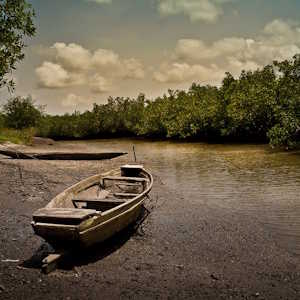 Destination The Gambia River
When is the Best Time to Visit The Gambia?
Dry Season (November to May) is the best time to visit — pleasant temperatures, minimal rainfall, and great birdwatching.
Peak birdwatching season: December to February — thousands of migratory species arrive.
Rainy Season (June to October) is lush and green, but some roads and parks may be harder to access.
Africa Ecotourism – Uganda
Uganda is one of East Africa’s hidden gems for ecotourism. It offers rare wildlife encounters, lush landscapes, and community-centered travel opportunities. Uganda is often called the “Pearl of Africa” for its stunning natural diversity. Its ecotourism is rooted in biodiversity conservation and community involvement, especially around gorilla tourism and protected areas.
Sustainable Transport
- Group safaris – join small group eco-tours to reduce your carbon footprint.
- Overland travel by shared van or bus – reliable local buses like Link, Post Bus, and Teso Coaches connect major towns.
- Domestic flights – minimize unless necessary (e.g. from Entebbe to Kidepo); prioritize overland routes instead.
- Walking and canoeing tours – offered in eco-communities (e.g., Lake Bunyonyi, Bigodi Wetland) and reduce environmental impact.
Highlights Uganda
- Bwindi Impenetrable National Park – a UNESCO site and home to half the world’s remaining mountain gorillas. Trekking permits help fund conservation and support local communities.
- Mgahinga Gorilla National Park – gorilla and golden monkey tracking in a stunning volcanic landscape.
- Queen Elizabeth National Park – diverse savanna and crater lakes; known for tree-climbing lions and responsible wildlife safaris.
- Kibale National Park – Africa’s top destination for chimpanzee trekking, with over 13 primate species (including chimpanzees, Olive Baboons, Black-and-White Colobus Monkeys, Red-tailed Monkeys, Blue Monkeys, L’Hoest Monkeys, Vervet Monkeys, Red Colobus Monkeys, Grey-cheeked Mangabeys, and Bushbabies).
- Rwenzori Mountains National Park – high-altitude trekking in a UNESCO World Heritage site with glaciers and rare flora.
- Lake Bunyonyi – a peaceful lake surrounded by terraced hills; ideal for canoeing and visiting local villages.
- Ziwa Rhino Sanctuary – a successful reintroduction project and great example of conservation tourism.
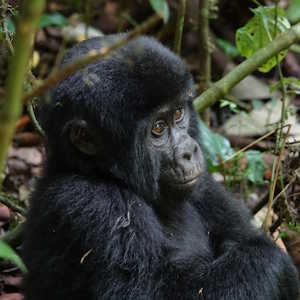 Uganda Young Gorilla
When is the Best Time to Visit Uganda?
Dry Seasons (Best): June to August.
December to February: ideal for gorilla and chimp trekking (less muddy trails), wildlife safaris, and general travel.
Wet Seasons: March to May and September to November. Trails can be slippery, but the landscape is lush, and some lodges offer discounts.
Uganda’s equatorial climate makes it a year-round destination, but drier months are best for ecotourism activities.
Landscape, Flora, and Fauna in Africa
Landscape – Africa is the most diverse continent in terms of landscape:
- Savannas and grasslands: Serengeti (Tanzania), Masai Mara National Reserve (Kenya), Okavango Delta/Grassland (Botswana).
- Deserts: sahara (North Africa), Namib and Kalahari (Namibia/Botswana).
- Tropical rainforest: Uganda and the Congo Basin (Cameroon, Central African Republic (CAR), Democratic Republic Congo (DRC), Republic of Congo (ROC), Equatorial Guinea and Gabon.
- Mountains: Rwenzori Mountains, Drakensberg, Ethiopian Highlands, Atlas Mountains.
- Coasts and islands: Swahili Coast, and islands include the Seychelles, Madagascar, and Mauritius.
- Freshwater areas: Lake Victoria, Lake Malawi, Congo River, Okavango Delta.
Flora – African flora is as diverse as its landscape:
- Baobabs and acacias in the savannah.
- Rainforest vegetation in Central Africa with lianas, mahogany, and rubber trees.
- Endemic plants such as the welwitschia in the Namibia desert.
- Unique flora on islands such as Madagascar.
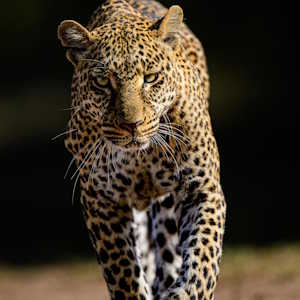 Leopard
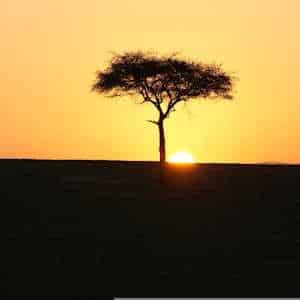 Acacia
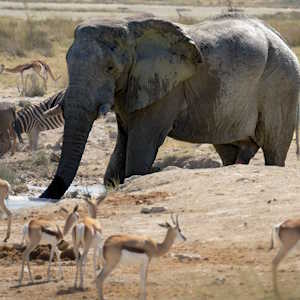 Elephant with Gazelles
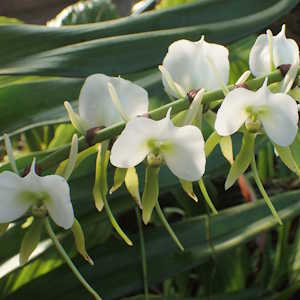 Comet Orchid
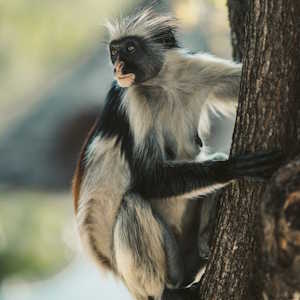 Zanzibar Red Colobus Monkey
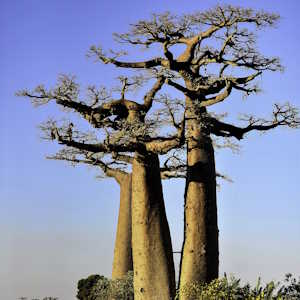 Baobab
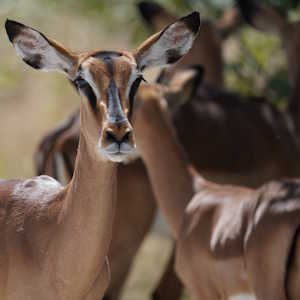 Impala
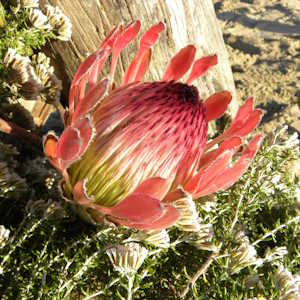 King Protea
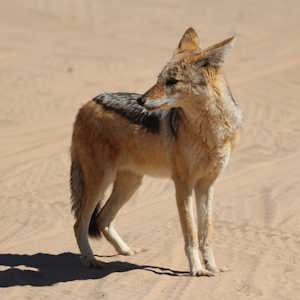 Jackal
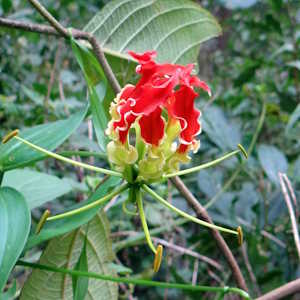 Flame Lily
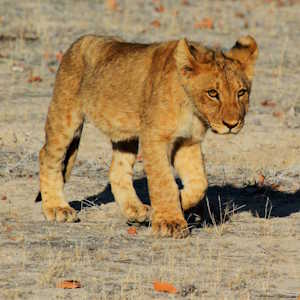 Lion Cub
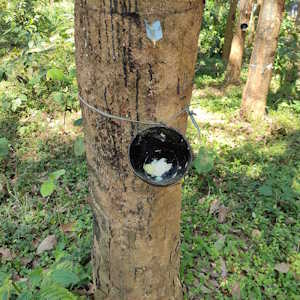 Rubber tree
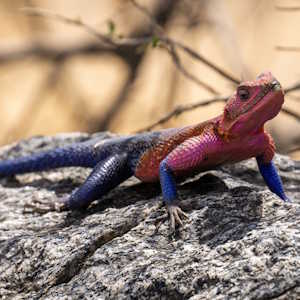 Iguana in Tanzania
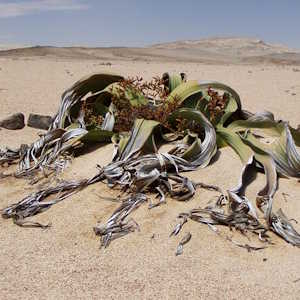 Welwitschia mirabillis
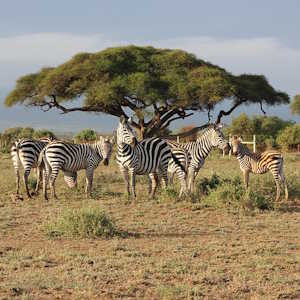 Zebras
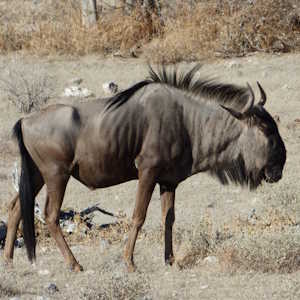 Wildebeest
Fauna – Africa is the continent for megafauna, very large animals::
- Big Five: lion, leopard, elephant, rhino, and buffalo.
- Primates: gorillas (Uganda, Rwanda, Democratic Republic of Congo), chimpanzees, and baboons.
- Endemic species: okapi (endangered) (DRC), fossa, an unusual cat like mammal (Madagascar), lemurs, gerenuk (also known as the giraffe gazelle) (East Africa).
- Marine life: whales off the coast of South Africa, coral reefs around the islands, and manatees in West Africa.
- Bird species: over 2,600 species, including shoebill stork (vulnerable), ostrich, and secretary bird.
Africa Eco Lodges and Travel Safety
As usual, when travelling, check places out for security reasons. A good resource for Cananadian and other citizens is the Travel advisories on the Canadian Government Travel Advisories, you’ll have to look up each African country separately.
IMAGE CREDITS > Destination Kenya. Masai Mara National Reserve Elephants. Image by Vic from Pixabay. > Destination Mauritius. Image by photosforyou from Pixabay. > Destination Mozambique. Sunrise Golden sea. Image by Kimthecoach from Pixabay. > Destination Namibia. Zebras, Namibia, Africa image. Free for use. Image by Felix from Pixabay. > Destination Rwanda. Sunrise over Nyungwe National Park. Image by travelmag.com. Wikimedia C. C. 2.0. > Destination South Africa. Cheetahs. Image by Barry Reed from Pixabay. > Destination Tanzania. Image by guenter42 from Pixabay. > Destination The gambia, River. Image by nikolasc62 from Pixabay. > Destination Uganda. Baby gorilla. Image by Margo Tanenbaum from Pixabay. > Leopard. Image by matrishva vyas from Pixabay. > Impala, African impala, Antelope image. Image by JuIiana from Pixabay. > Monkey. Zanzibar, Mjini Magharibi Region, Tanzania https://www.pexels.com/es-es/@taryn-elliott/. > Elephant and Gazelle. Image by Jürgen Bierlein from Pixabay. > Lion. Cub. Image by Tobi from Pixabay. > Wildebeest. Image by Michel Huché from Pixabay. > Jackal image. Image by 4ktv from Pixabay. > Zebras. Image by Vimal Kaul from Pixabay. > Iguana. Image by Jürgen Bierlein from Pixabay. > Welwitschia mirabillis. Image by Nhelia from Pixabay. > Rubber tree. Image by Vis M. Wikimedia C.C. 4.0. > King Protea. Protea cynaroides. Image by leondekock from Pixabay. > Flame Lily. Image by Bishnu Sarangi from Pixabay. > Angraecum eburneum. Image by Krzysztof Ziarnek, Kenraiz. Wikimedia C.C. 4.0. > Baobab. Image by Nikky Smolders from Pixabay. > Acacia. Masai mara. Kenya. Image by Les Bohlen from Pixabay.
> Philippine Eagle (Pithecophaga jefferyi). Image by HCruz985. Wikimedia C. C. 2.0. > Cherry blossom tree. Image by Couleur from Pixabay. > Neem Tree, Azadirachta indica. Imag by Vinayaraj. Wikimedia C.C. 4.0. > Lotus. Image by Trung Nguy?n from Pixabay. > Tea Plant. Image by Bikashjit Kotwar from Pixabay. > Sandalwood Tree. Image by Ping an Chang. Wikimedia C.C. 4.0
Leave a Reply
Want to join the discussion?Feel free to contribute!