
Fiji Eco Lodges
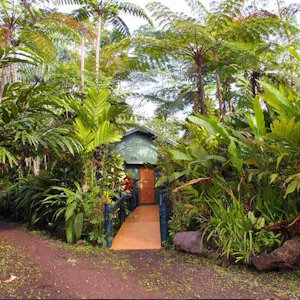
Discover the natural wonders of the South Pacific and stay at one of the beautiful Fiji Eco Lodges. Fiji consists of more than 330 islands. The country’s official name is the Republic of Fiji. This tropical paradise attracts ecotourists from around the world. Turquoise waters surround vibrant coral reefs and lush rainforests cover many islands.
Fiji Ecolodges And Resorts
Fiji Ecotourism
Fiji is increasingly committed to sustainable tourism, focusing on:
- Protection of coral reefs and marine ecosystems.
- Sustainable village projects and community-based tourism.
- Fiji Eco Lodges that run on alternative energy and serve local food.
- Balanced culture and nature, with traditional Fijian knowledge as the basis.
One of Fiji’s first protected ecotourism areas lies in Upper Navua Gorge. This conservation area receives funding from ecotourism activities. The project was developed by the company Rivers Fiji. Their goal was to protect the gorge for rafting and kayaking.
Fiji’s forests cover about fifty-eight percent of the country’s land. Most forests are communally owned by local communities. This ownership structure supports community-based ecotourism.
Best Ecotourism Destinations in Fiji
Taveuni (Garden Island)
• Rainforest, waterfalls, rare flowers, and coral reefs.
• Bouma National Heritage Park: sustainable walking trails, and natural swimming pools.
• Snorkel at Rainbow Reef (Soft Coral Capital of the World).
Kadavu and Great Astrolabe Reef
• There are few tourists and it is rich in bird life at Great Astrolabe Reef.
• Snorkel and dive at one of the largest barrier reefs in the world.
• Spot rare birds such as the Crimson Shining Parrot.
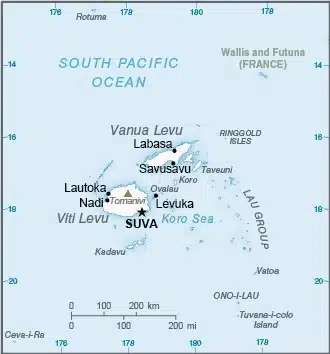 Fiji Map
Vanua Levu
• Traditional villages, lush nature.
• Waisali Rainforest Reserve.
• Diving in the Namena Marine Reserve.
Beqa Lagoon (Viti Levu)
• Sustainable shark watching while cage-free shark diving.
• Coral restoration projects.
Yasawa Islands
• Community-based tourism.
• Hike to a viewpoint or go kayaking, snorkeling.
Suggestions for a 2 week Sustainable Itinerary in
Week 1
Day 1–3: Viti Levu – Pacific Harbour and Beqa Lagoon
• Arrive in Nadi and drive to Pacific Harbour, a 2 1/2 hr. drive.
• Snorkeling trip to Beqa Lagoon.
• Sustainable experience: for coral planting see The Pacific Blue Foundation. Or go on a guided eco-dive.
Day 4–7: Taveuni Island
• Ferry or flight to Taveuni.
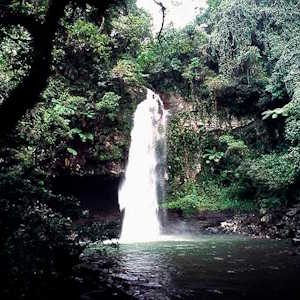
• Hike in Bouma National Heritage Park (Tavoro Falls!).
• Snorkel at Rainbow Reef.
• Cultural encounter with village communities.
Practical Tips to Make Your Trip as Sustainable as Possible
Besides staying in Fiji Eco Lodges, we recommend visiting villages that offer ecotourism. Taveuni, Kadavu or the Yasawa Islands are some examples. Here you can learn a few Fijian words (such as bula and vinaka). Don’t forget to ask permission to take photos of people or villages. Show respect and wear appropriate clothing in villages and at religious sites.
Week 2
Day 8–10: Kadavu Island
• Flight to Kadavu is the most efficient way. There is no direct flight, so you’ll have to do a connecting flight.
• Diving/snorkeling in the Great Astrolabe Reef.
• Visit traditional villages.
• Walk in the rainforest with a chance of seeing special bird species.
Day 11–13: Yasawa Islands
• Return to Viti Levu ferry to Yasawa Islands.
• Eco-activities: manta ray spotting (May–Oct), kayaking, village tours.
• Beach, rest and relaxation.
Day 14: Return to Nadi and departure
• Ferry back to Viti Levu.
• Last day in a local guesthouse or a Fiji Eco Lodge in Nadi.
• Possibly visit a local market or the Garden of the Sleeping Giant.
Check out our Eco guidelines to reduce your ecological footprint while visiting Fiji Eco Lodges.
 Sunset in Fiji
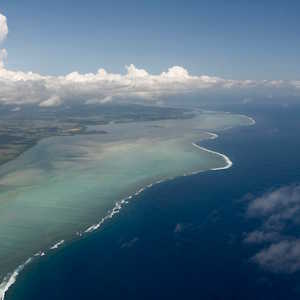
- Viti Levu
- Taveuni Waterfall
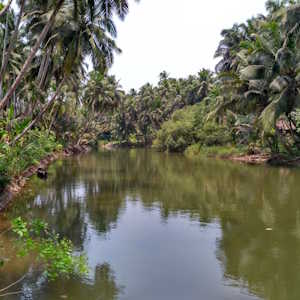
- Tejaswini River and Palayi Kadavu
Flora and Fauna
Flora – What Grows in Fiji?
Although Fiji has no large land mammals, you will find unique birds, reptiles and an incredible underwater world.
• Fiji banded iguana – colorful, endemic iguana.
• Fiji flying fox – a large bat with an important ecological role.
• Silktail bird – can be seen in the rainforests of Vanua Levu.
• Soft and hard corals in all of the colors of the rainbow.
• Sea turtles, reef sharks, manta rays and thousands of reef fish.
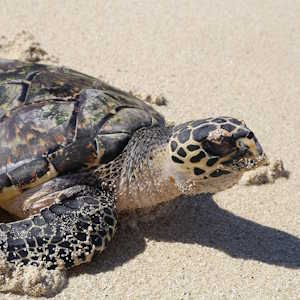 Hawksbill sea turtle
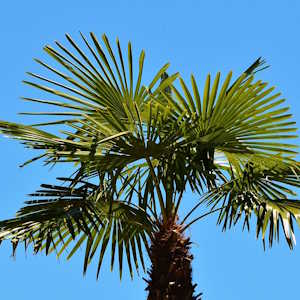 Palm Tree top
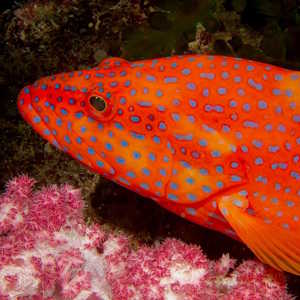 Tropical fish
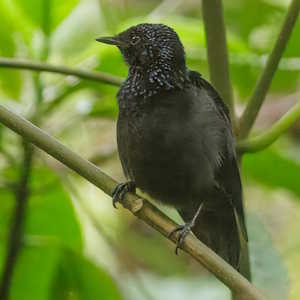 Silktail, national bird of Fiji
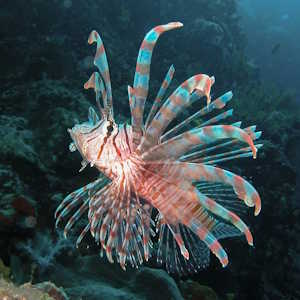 Lion Fish
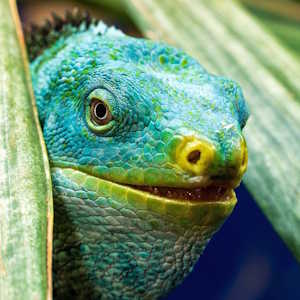 Fiji Crested Iguana
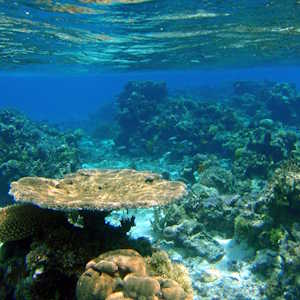 Coral reef
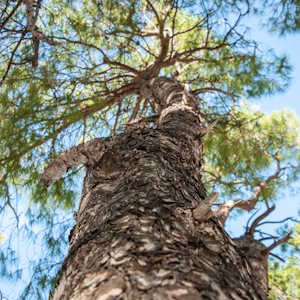 Palm Tree
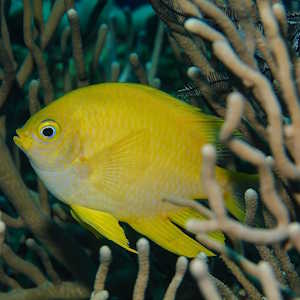 Butterfly fish
Fauna – What animals Can Be Spotted in Fiji?
Fiji is home to many endemic species of plants and wildlife. Therefor scientists and naturalists have a continued interest in the country. Some notable species:
• Tagimoucia (Medinilla waterhousei) – Fiji’s national flower only found on Taveuni Island.
• Fiji Fan Palm (Pritchardia pacifica) – a striking palm with large fan-shaped leaves.
• Fijian Cycad (Cycas seemannii) – a primitive, slow-growing plant often found near coastal forests.
• Degeneria vitiensis – a rare flowering tree species found in Fiji’s montane forests.
Small-Scale Nature Conservation Projects
How you can contribute during your trip:
• Choose eco-certified resorts that support local projects. A German certification group that works with Fiji tours and lodging is TourCert.
• Participate in coral planting, reef clean-ups or pay a local guide for a birdwatching tour.
• Donate to or visit organizations such as FLMMA or Nature Fiji, see link below.
Coral Gardening (Coral Coast and Yasawa Islands)
Projects where local communities grow and replant corals on damaged reefs.
Fiji Locally Managed Marine Areas Network (FLMMA)
More than 400 villages manage their own marine reserves. These are so-called tabu areas, where fishing is prohibited or restricted.
Based on traditional Fiji knowledge combined with modern science.
Mamanuca Environment Society
They works with schools, resorts and fishermen. Activities are reef protection, turtle rehabilitation and waste reduction.
Active in the Mamanuca Islands.
NatureFiji-MareqetiViti
This NGO focuses on protecting endangered species, such as the Fiji banded iguana.
Supports forest restoration and education in villages.
Environmental Challenges in Fiji
- Coral bleaching and ocean acidification
Due to rising sea temperatures, corals are being bleached in the Yasawas and the Great Astrolabe Reef. This not only threatens biodiversity, but also fishing and tourism. - Deforestation
Rainforests have been cut down because of agriculture and logging. This happens especially on larger islands (Viti Levu and Vanua Levu). It leads to erosion and loss of biodiversity. - Climate change
Fiji is extremely vulnerable to cyclones, sea levels rising and flooding.
Coastal villages sometimes have to be relocated. - Plastic pollution and waste management
Especially on smaller islands. There is little infrastructure for waste management.
Plastic waste threatens coral reefs and marine life. - Invasive species
Exotic plants, cats, rats and pigs disrupt ecosystems and threaten endemic species.
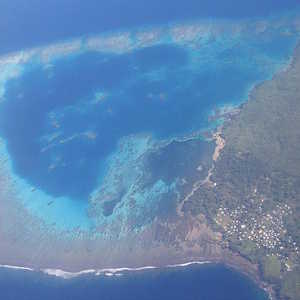
- Vuna Reef Taveuni
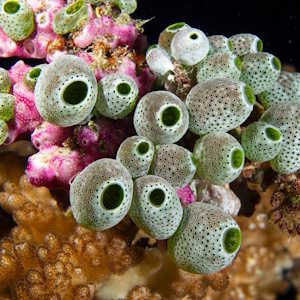
- Coral Reef
Fiji Government Ecotourism and Sustainability Policy
Fiji’s Green Growth Framework
Strategic plan for sustainable development, focusing on:
• Renewable energy.
• Environmental education.
• Conservation and climate adaptation.
Fiji’s National Adaptation Plan (NAP)
• Focuses on climate resilience in coastal areas, agriculture and tourism.
• Internationally recognized as a leader in the Pacific.
Sustainable tourism policy
• Promoting community-based tourism and sustainable-accommodation.
• Working with NGOs and communities to keep ecotourism small and responsible.
• Environmental levies for tourists – a small portion of your visa or park fee goes to conservation projects.
Fiji Eco Lodges and Travel Safety
Check in advance about the safety in Fiji and in the places you plan to visit. You can also consult your country’s official government websites. For Travel Advisories see The Canadian Government Travel Advice.
IMAGE CREDITS > Mount fuji. Image by Denis Doukhan from Pixabay. > Fijian iguana. Image by David Clode from Pixabay. > Butterfly fish. Image by Jack Drafahl from Pixabay. > Palm. Image by Marko Tomic from Pixabay. > Turtle. Image by georgiegarnham from Pixabay. > Fiji Reef. Image by Michele Hardy from Pixabay. > Tropical fish. Image by Jack Drafahl from Pixabay. > Coral. Image by Jack Drafahl from Pixabay.> Lion fish. Image by Jack Drafahl from Pixabay. > Silktail. Image by Aviceda . Wikimedia. C. C. 3.0 > Fan palm. Image by Ralph from Pixabay. > Vuna Reef. Image by Tim O’Shea. Wikimedia. C. C. 2.0 > Waterfall Taveuni. Image by Stefan Heinrich. Wikimedia. C. C. 3.0 > Taveuni silktail (Lamprolia victoriae). Image by Charles J. Sharp. Wikimedia. C.C. 4.0 > Tejaswini river and Palayi Kadavu. Image by Travalour. Wikimedia. C.C. 4.0 > Viti Levu coast. Image by Maksym Kozlenko. Wikimedia. C. C. 3.0.
Leave a Reply
Want to join the discussion?Feel free to contribute!