
Panama Ecolodges
Panama Map
Panama ecolodges are a great way to experience this country. Panama is very ecologically diverse and includes pristine rainforests, cloud forests, mountains, as well as coastline on both the Pacific and Atlantic Oceans. There are many national parks. Most Panama Ecolodges and Tours are close to these varied areas. The largest of these parks being Darien, which borders Colombia. Darien National Park is a UNESCO World Heritage Site. For safety, check with The State Dept. before you visit. Panama’s national animal is the Panamanian golden frog. The frog symbolizes good fortune and is seen in the banner above.
Panama Ecolodges And Resorts
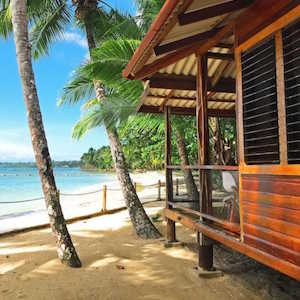 Casa Cayuco Bungalow
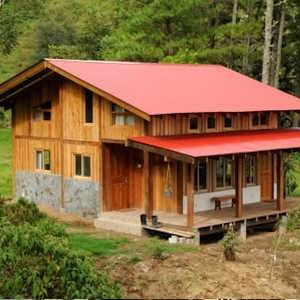 Treehouse cabin


Panama Ecotourism
Panama is a breathtaking paradise where the world’s most varied ecosystems collide! As an ecotourism hub, it offers the rare thrill of watching the sunrise over the Pacific and set over the Atlantic from the peak of Volcán Barú. From the pristine marine wonders of Coiba National Park to the lush cloud forests of Boquete, Panama leads in sustainable travel. Immerse yourself in indigenous cultures, spot rare quetzals, or witness majestic humpback whales in this vibrant, green sanctuary!
The Best EcoTourism Destinations in Panama
Darién National Park (UNESCO).
* The largest and most pristine rainforest in Panama.
* Home to jaguars, harpy eagles and indigenous people of Emberá communities.
* Perfect for wildlife-spotting and adventurous jungle expeditions.
In the past, the border with Colombia has not been as safe as other areas, so make sure you check before you go. Right now, updated September 2024, there are warnings not to travel in Darien close to the Colombian border due to a high crime rate. Make sure to check for updated information before you travel to the Mosquito Coast and the Darien region. Overall Panama is a safe country.
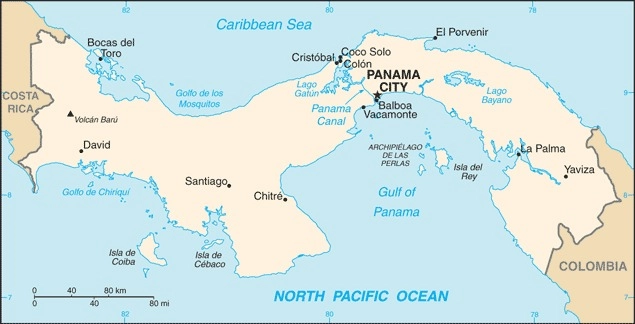 Panama Map
Soberanía National Park
* Close to Panama City, ideal for bird lovers.
* Pipeline Road is one of the best places in the world for bird watching.
* Boat trips on Lake Gatún to see monkeys, crocodiles and sloths.
Bocas del Toro Archipelago
* Caribbean islands with a focus on sustainable tourism.
* Snorkeling with sustainable tour operators to see sea turtles and dolphins.
* Stay in Panama ecolodges and visit the Ngäbe-Buglé indigenous communities.
Coiba National Park (UNESCO)
* The “Galápagos of Central America” with a protected marine ecosystem.
* Diving with sharks, rays and humpback whales in a responsible way.
* A former prison, now a nature reserve with unique flora and fauna.
Boquete and Volcán Barú National Park
* Cloud forests with a mild climate, perfect for ecotourism.
* Hiking to the top of Barú volcano, where you can see both the Pacific Ocean and the Caribbean Sea.
* Bird watching, especially the rare quetzal, if you’re lucky enough to see one.
Suggestions for a 2 week Sustainable Itinerary in Panama
If you want to discover Panama by car, choose a hybrid or electric rental car (available in Panama City). Local transportation like water buses, pangas (small boats) or bicycles are great alternatives on islands like Bocas del Toro. For more tips to travel in Panama, check our complilation of Sustainable Travel Tips.
Week 1
Day 1: Arrive in Panama City.
Day 2: Visit Soberanía National Park (just 45 minutes from Panama City)
* Hike the Pipeline Road (bird watching, sloths, monkeys).
Day 3: Boat trip on Lake Gatún and visit Emberá village (indigenous culture and sustainable tourism).
Day 4: Domestic flight or bus and boat to Bocas del Toro.
Day 5: Snorkeling and diving at Zapatilla Islands (uninhabited, and protected nature).
Day 6: Visit to the Ngäbe-Buglé community (the largest comarcas indigenous population in Panama) and go kayaking in the mangroves.
Transportation: For all your transportation needs try to use local buses or shared shuttles. As well as local boats and bicycles (sustainable transportation on the islands). Some places you will need to use domestic flights.
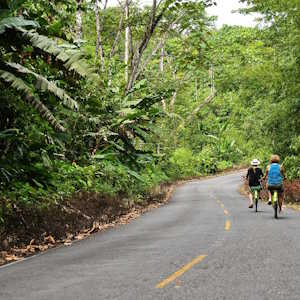 Bocas del Toro
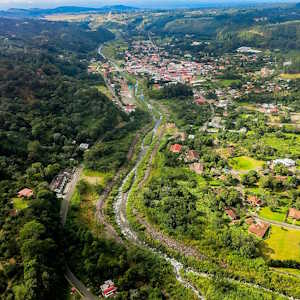
 Boquete
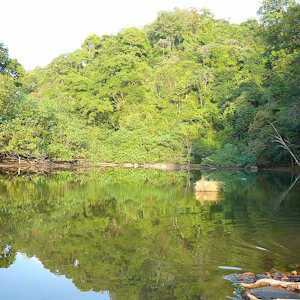
- Darien
Week 2
Day 7: Travel to Boquete via water taxi and bus (192 Km/110 miles) or fly via David. If time is short, then Bocas to David via plane, and drive to Boquette.
Day 8: Hike to the top of Barú volcano (unique view of two oceans).
Day 9: Visit a sustainable coffee farm and spot the rare quetzal. Transportation: shuttle or local buses.
Day 10: Travel to Santa Catalina
Day 11: Diving or snorkeling in Coiba National Park (sharks, manta rays, and whales).
Day 12: Relax on the beach or kayak in the mangroves.
Transportation: Shuttle and boat ride to Coiba.
Day 13: Travel to Metetí to go to Darién National Park (Adventurous jungle experience)
* Be careful, the terrain is hazardous throughout. The Park is not considered safe, experts warn that all travel into Darien is dangerous due to high crime (Being close to Colombia).
Day 14: Jungle expedition with local guides: spot jaguars, monkeys and rare birds.
Transportation: Shared shuttle or private transfer.
Flora and Fauna in Panama
Panama has tremendous biodiversity thanks to its location between North and South America. Harpy eagles are critically endangered in many countries. The Harpy Eagle Center at the Summit Municipal Park (formerly Summit Zoo and Gardens) just outside of Panama City plays a role in public education about their conservation.
Flora – what grows there
Tropical rainforests with mahogany, ceiba and orchids.
Mangrove forests along the coast, essential for marine ecosystems.
Cloud forests in the highlands with unique plants such as epiphytes and bromeliads.
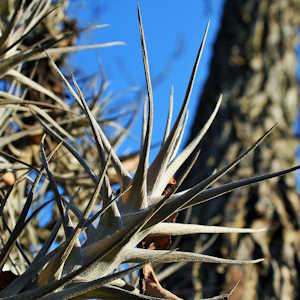 Epiphytes
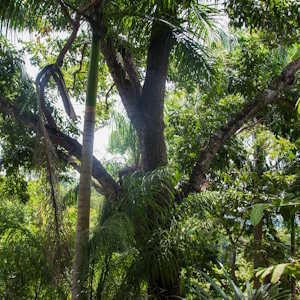 Tropical rainforest
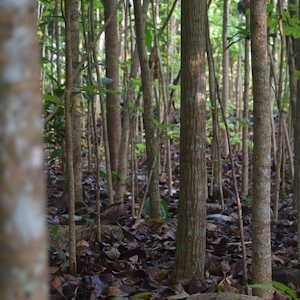 Mahogany Tree Forest
Fauna – what animals can you encounter
Mammals including Sloths, jaguars, tapirs and capuchin monkeys.
Birds there are more than 1,000 species, including toucans, quetzals and harpy eagles (the national bird).
Reptiles and Amphibians including red frogs on the islands of Bocas del Toro, crocodiles and iguanas.
Marine animals include Humpback whales (seasonal), sea turtles, dolphins and the rich marine life of Coiba National Park.
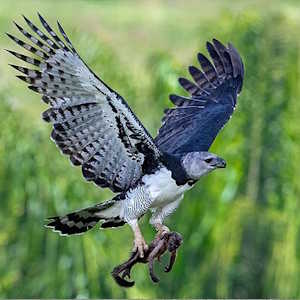 Harpy Eagle
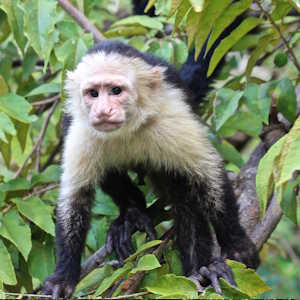 white-faced capuchin monkeys
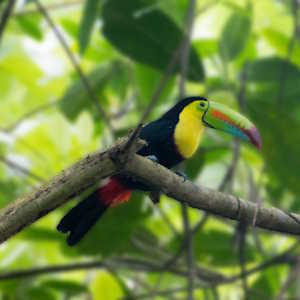 Toucan
Small-Scale Nature Conservation Projects
If you like what you read, you may be able to volunteer during your trip with most of the projects below.
Pro Eco Azuero
Works to conserve dry tropical forests on the Azuero Peninsula.
* Focuses on reforestation, education and sustainable agricultural practices.
Fundación Almanaque Azul
Environmental organization focusing on awareness and sustainable tourism initiatives.
* Publishes ecotourism guides and organizes activities to reduce the impact of tourism.
Asociación Adopta Bosque Panamá
Works to preserve and restore threatened forest areas through reforestation projects.
Future reforestation sites are adopted by individuals and companies.
Fundación Agua y Tierra
Small-scale projects protect sea turtles by monitoring nests and combating poaching.They work with local communities to promote ecotourism as an alternative to turtle hunting.
Environmental Challenges in Panama
Deforestation
*Large-scale agriculture, cattle ranching and infrastructure development lead to deforestation. This is true, particularly in the Darién region and around the Pan-American Highway.
*Illegal logging is a major threat to tropical rainforests.
Climate change and sea level rise
*Rising sea levels threaten coastal communities and ecosystems, particularly the San Blas Islands of the indigenous Guna people (formerly known as the Kuna people).
*Coral reefs are negatively affected by rising temperatures and ocean acidification.
Water pollution
*Waste and chemicals from agriculture and mining pollute rivers as well as the Panama Canal. This threatens fisheries and drinking water supplies.
*Plastic pollution is a growing problem, especially in urban areas of Panama.
Illegal mining
*Mining activities, especially in Colón and Darién province, lead to soil erosion, deforestation and water pollution.
Loss of biodiversity
*Hunting and illegal wildlife trade threaten species such as the jaguar, harpy eagle and sea turtles. Many of these animals are endangered.
Panama’s policy on ecotourism
The government of Panama is strongly committed to nature conservation and sustainable tourism. More than 30% of Panama is managed by the Government Agency for the Protection of Natural Resources. This includes national parks, wildlife refuges and forest reserves.
Ecotourism is a spearhead of the national economy. Besides that, Community-based programs encourage indigenous communities to run Panama ecolodges and sustainable tours.
Strict environmental laws protect rainforests and marine ecosystems. But while laws exist, enforcement can be a challenge, Small-scale initiatives play a crucial role in protecting Panama’s unique ecosystems. Read above to learn about one place that is doing something about the problem. You may be able to volunteer and make a contribution.
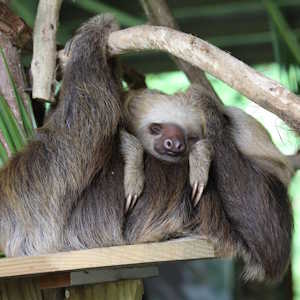 Two toed Sloth
Panama Ecolodges and Travel Safety
Check in advance about the safety in Panama and in the places you plan to visit. You can also consult your country’s official government websites. For American citizens, this is the US Dept. of State’s page on Panama page.