
United Kingdom Eco Lodges
Discover the charm of United Kingdom Eco Lodges. The United Kingdom includes England, Scotland, Wales, and Northern Ireland. Explore wild moors, ancient forests, and dramatic coastlines. Hike in the Scottish Highlands or visit Welsh nature reserves. You can also explore beautiful English national parks. These areas provide the perfect base for a green getaway.
United Kingdom Ecolodges And Resorts
United Kingdom (UK) Ecotourism
There are numerous sustainable travel options available. You can travel by train to nature reserves. Stay overnight in eco-friendly accommodations. Participate in local nature projects during your visit. Ecotourism in the United Kingdom mainly revolves around:
- Local, sustainable initiatives: from United Kingdom eco lodges to organic farms and rewilding projects.
- Experiencing nature without damage: walking, cycling, birdwatching, and kayaking in an environmentally friendly way.
- Protecting nature and heritage: many areas are protected as National Parks. Others are Sites of Special Scientific Interest (SSSI). This is a unique UK conservation designation. It protects land or marine areas of special interest. These areas have biological or geological importance.
United Kingdom Top Destinations
Lake District National Park, in England.
The park is in England. It is actively engaged in ecological restoration projects. These projects aim at enhancing biodiversity. They also improve water quality and mitigate climate change. Efforts include restoring peatlands, woodlands, and other habitats. The park improves farming and forestry practices. This work supports local nature recovery. You can camp at one of the official campsites.
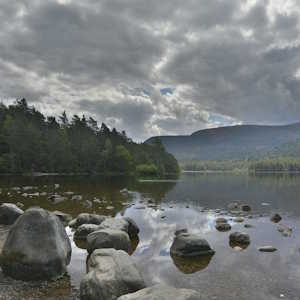
Cairngorms National Park
In Scotland: wild rivers, arctic flora, and mountain scenery.
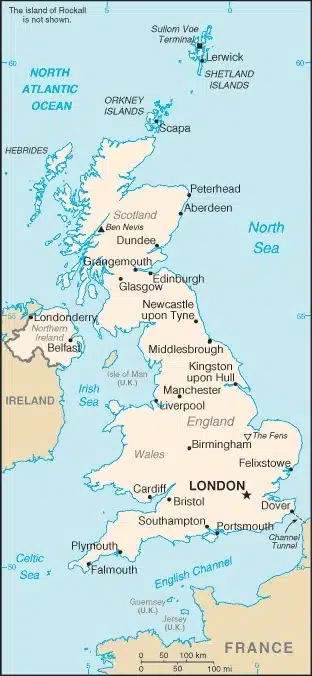
Transport tip in the UK: travel by train as much as possible (National Rail, ScotRail). Combine the train with short journeys by electric rental car or local bus. The train network is extensive, and there are many scenic routes.
 UK Map
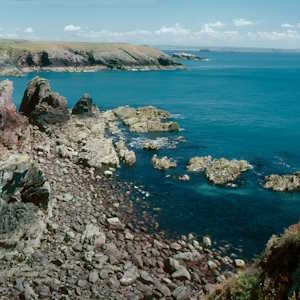
Pembrokeshie Coast National Park
In Wales: dramatic cliffs, sea kayaking, and birdwatching.
New Forest
In South England: ancient woodlands, wild ponies, and cycling.
Hebrides and the Shetland Islands
In Scotland: unspoiled, quiet, with puffins, seals, and ancient culture.
Suggestions for a 2 week Sustainable Itinerary in the UK
Week 1 – England and Wales
Days 1-3: London—cycling and hiking.
Days 4-5: Take the train southwest to New Forest—nature walks and birdwatching.
Days 6-7: Travel to Snowdonia in North Wales. There you can hike Mount Snowdon and visit local community projects.
Week 2 – Scotland
Days 8-10: Take a train or car to the Lake District—stay in a UK eco lodge, go kayaking, and visit a local market.
Days 11-14: Take the train or drive to Cairngorms. There you can go on a wildlife tour and visit Cairngorms Connect. This is a reintroduction project focused on restoring native species and habitats. It aims to bring biodiversity back to 600 square kilometers of the park.
 St Davids Pembrokeshire, Wales UK
- Cairngorms National Park
Flora and Fauna in United Kingdom
Flora – What Grows In United Kingdom?
The UK has a temperate climate and therefore a diverse flora. There are regional differences between England, Scotland, Wales, and Northern Ireland in terms of fauna and flora:
- Mountains and bogs: with rare plants such as wild orchids, gentians, and peat moss.
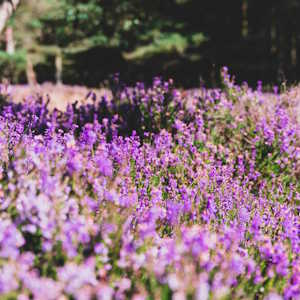
- Heathlands: mainly in Scotland, and England (Yorkshire and Dartmoor). With heather, bell heather, gorse, and certain grasses in these areas.
- Ancient deciduous woodlands: such as the ancient New Forest (oak, beech, and rowan).
- Coastal plants: including samphire, sea aster, and sea couch grass along the rugged coasts.
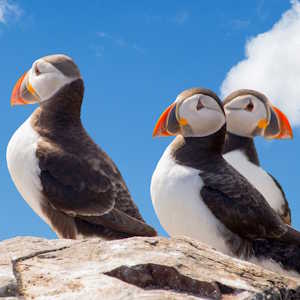 Puffins
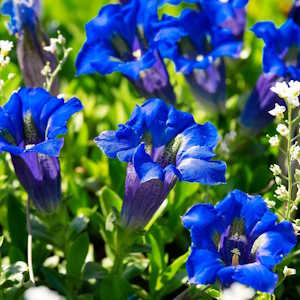 Gentians
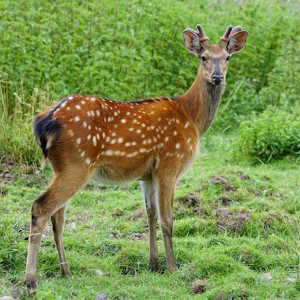 Red Deer
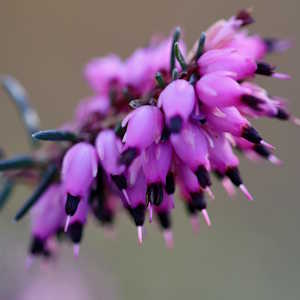 Bell Heather
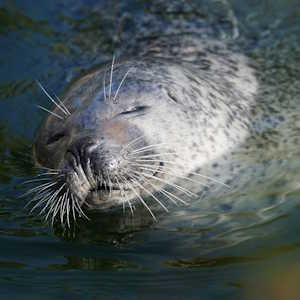 Seal
Seal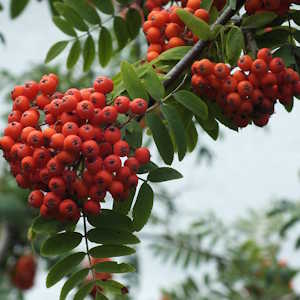 Rowan
Rowan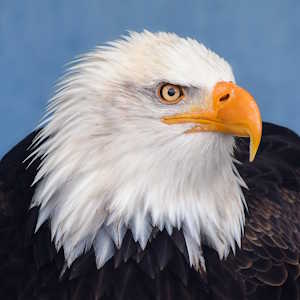 Bald Eagle
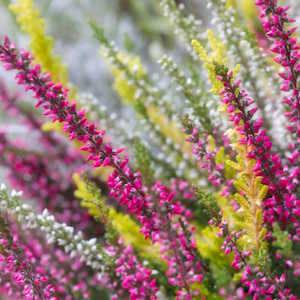 Heather
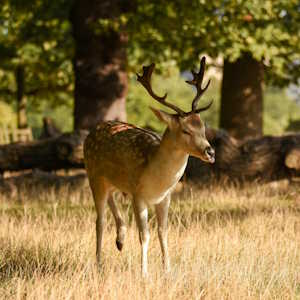 Deer
Deer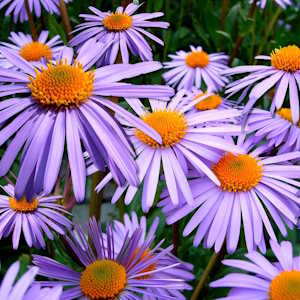 Sea Aster
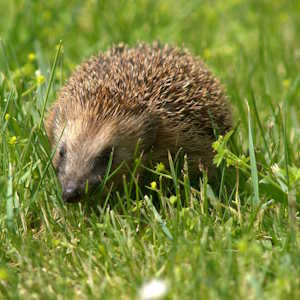 Hedgehodge
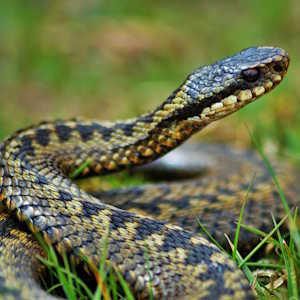 Adder
Adder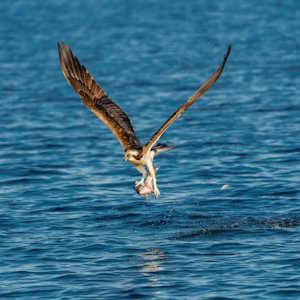 Osprey
Fauna – What Animals Can You Spot In the United Kingdom?
Although the United Kingdom doesn’t have the megafauna of Africa or Asia, it does have a rich diversity of animals:
- Insects and bees: These are important for biodiversity. Many nature reserves focus on protecting pollinators.
- Birds: You can spot puffins on the Farne Islands in England and sea eagles in Scotland. Robins, starlings, and osprey can be found throughout the UK.
- Marine mammals: dolphins and seals swim along the west coast and in Scotland.
- Mammals: badgers, foxes, red deer, roe deer, and hedgehogs can be found throughout much of the UK. The wildcat is rare and primarily found in remote areas of the Scottish Highlands.
- Amphibians and reptiles: including adders, frogs, and salamanders can be found in various habitats across England, Wales, and Scotland.
Small-Scale Nature Conservation Projects
There are several small-scale conservation projects where you can actively contribute to the conservation of biodiversity and landscapes. Below you’ll find a selection of inspiring projects and their websites.
The Conservation Volunteers (TCV) organize numerous local conservation projects throughout the UK. Projects include tree planting, nature restoration, trail maintenance, and biodiversity protection. For volunteers of all ages, throughout the UK, no experience required.
Royal Society for the Protection of Birds (RSPB) – volunteer Projects
What: The RSPB protects birds and their habitats. You can help with nature management, monitoring, visitor education, or habitat restoration at one of the RSPB reserves.
Where: across the UK, including the Shetland Islands, Norfolk, and Wales.
Trees for Life – in the Caledonian Forest. Restoration, in Scotland
What: This project focuses on the reforestation of the ancient Caledonian Forest in the Scottish Highlands. Volunteers spend a week on-site planting trees, collecting seeds, and carrying out ecological restoration.
Where: Dundreggan Estate and Glenmoristo, in Scotland.
Sea Watch Foundation – whale and Dolphin Monitoring, in Wales
What: this foundation conducts research and observation of marine mammals along the Cardigan Bay coast. You will help with data collection, education, and field research.
Where: New Quay in Wales.
Froglife – Protecting Amphibians and Reptiles
What: projects focused on restoring habitats for frogs, toads, salamanders, and lizards. The organization also includes many educational components.
Where: Cambridgeshire, London, and Scotland, among others.
Environmental Challenges in United Kingdom
- Loss of Biodiversity. Many native species are under pressure from agriculture, urbanization, and climate change. Some examples: the dormouse and the wild bee.
- Pollution of Rivers and Seas. Sewage overflows, agricultural waste, and microplastics have deteriorated water quality in many rivers and coastal areas.
- Climate Change. Rising temperatures are causing coastal erosion, forest dieback, and changes in bird migration patterns.
- Intensive Agriculture. Closely planted shrubs and trees provide vital habitat. Monoculture, pesticide use, and the decline of hedgerows have led to a sharp decline in flora and fauna.
- Overtourism in Popular Nature Spots: too many visitors cause erosion, disturb wildlife, and put pressure on infrastructure. This happens, for example, in the Lake District, Snowdonia, and the Scottish Isles.
- Aberdeen Scotland
- Fritham Plain New Forest Hampshire
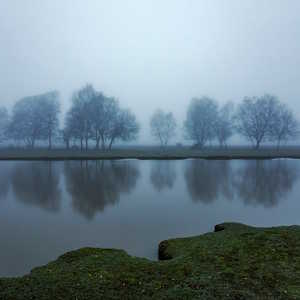
United Kingdom Countries Policy on Ecotourism and Sustainability
Conservation Legislation
The UK has several laws and protected areas, such as:
- Sites of Special Scientific Interest (SSSI).
- National Parks and Access to the Countryside Act. This Act established the foundation for National Parks. It also created Areas of Outstanding Natural Beauty. This applies to England and Wales. It secures public rights of way. The Act also ensures access to open countryside.
- Marine Conservation Zones.
A Green Future: a 25 Year Plan to Improve the Environment
This is a long-term strategy for the UK. The goal is restoring natural habitats. It focuses on conserving biodiversity. It also promotes environmentally conscious tourism.
Net Zero Target (2050)
The UK government aims for net zero emissions by 2050. This goal affects the tourism sector directly. The government invests in green infrastructure and electric mobility. They support energy-efficient accommodation and ecotourism initiatives.
Travel, hotels, and services must use less energy. They must also use cleaner energy sources. Examples include trains, cycling, and renewable energy in hotels. Greener planes are also part of this plan.
Tourism must do its part for the planet. This includes transport, farming, and energy sectors. Together, all sectors help the UK reach net zero. This must happen by the year 2050.
Local governments and non-profits are working together. They focus on sustainable tourism projects. These include subsidies for eco-accommodation and volunteer nature restoration. They also create educational trails and new eco-centers.
United Kingdom Ecolodges and Travel Safety
Check in advance about the safety in the United Kingdom (England, Scotland, Wales, and Northern Ireland) and in the places you plan to visit. You can also consult your country’s official government websites. The Canadian Government has Travel Advisories the The United Kingdom.
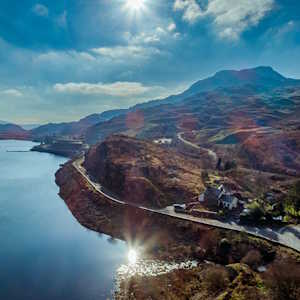
IMAGE CREDITS > Banner UK Eco Lodges. Strandshag Bay . Cumbria, Lake District. Image by Julian Herzog. Wikimedia C.C. 4.0. > Pembrokeshire, Wales/UK. Image by Manfred Heyde. Wikimedia C. C. 3.0. > Cairngorms National Park. Image by Zbigniew Pawlak from Pixabay. > Puffins. Image by No-longer-here from Pixabay. > Bell Heather. Image by Annette Meyer from Pixabay. > Red Deer. Image by Marcel Langthim from Pixabay. > Gentians. Image by Couleur from Pixabay.
> Seal. Image by Marcel Langthim from Pixabay. > Heather. No author.> Bald Eagle. Image by Christel SAGNIEZ from Pixabay. > Rowan. Image by Kanechka from Pixabay.> Deer. Image by Tim Morgan. > Sea Aster. Image by Shirley Hirst from Pixabay. > Hedgehodge. Image by Pierre Rigou from Pixabay. > Adder. Image by James Common from Pixabay. > Osprey. Image by Lorenzo Manera. > Aberdeen, Scotland. Image by Robert Laszlo. https://www.pexels.com/@robert-laszlo-32882504/. > Fritham Plain, New Forest, Hampshire. Image by Joana Kruse joanaimages.com. > Wikimedia C.C. 4.0
Leave a Reply
Want to join the discussion?Feel free to contribute!