
South Africa Eco Lodges
Discover the magic of nature with our top pick of South Africa Eco Lodges! From breathtaking safaris to serene mountain retreats, these sustainable stays let you explore the wild while treading lightly on the planet. Ready to experience eco-luxury at its best? Dive into our list of South Africa Eco Lodges below and start planning your green escape today!
South Africa Eco Lodges and Tours

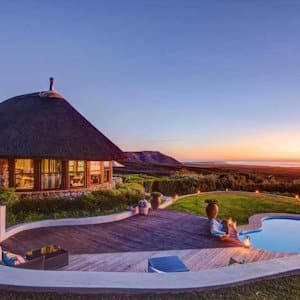
South-Africa – The Rainbow Nation, a paradise for nature lovers and ecotourists!
South Africa is one of the pioneers of ecotourism in Africa. The country offers a wide variety of natural areas, from savannahs and mountains to deserts and coastal areas. Many nature reserves and lodges operate according to ecological principles and actively involve local communities in management and tourism.
Characteristics of Ecotourism in South Africa
– Protection of biodiversity, often in collaboration with local communities.
– Small, sustainable accommodations such as ecolodges.
– Tourism revenue that contributes to nature conservation and local development.
– Activities such as guided walks, bird watching, wildlife safaris, and cultural visits.
Flora & Fauna in South Africa
South Africa is home to an incredible diversity of plants, animals, and landscapes. The country has 9 different biomes, from fynbos, shrubland or heartland vegetation, to savannah. Some highlights:
Flora
Fynbos (Western Cape): unique Mediterranean plant kingdom, including the famous protea. The protea is also known as sugarbush and around 92% of the species can be found only in South Africa.
Baobabs and marula trees in the northeast.
Savannah vegetation in Kruger National Park and surroundings.
Fauna
Big Five (lion, leopard, buffalo, elephant and rhino) — mainly seen in national parks such as Kruger.
Marine life: whales, sharks, seals and penguins along the coast (e.g. Hermanus or Cape Town).
Bird wealth: more than 850 species, including the rare blue crane.
Best Ecotourism Destinations in South Africa
This country has incredible biodiversity, stunning landscapes, and many opportunities for responsible tourism. Here’s a rundown of:
Kruger National Park (with community-based lSouth Africa eco lodges) – Perfect for seeing the Big Five in an eco-friendly way.
iSimangaliso Wetland Park (KwaZulu-Natal) – UNESCO World Heritage Site with mangroves, wetlands, and marine life. Visit sustainably with local guides.
Drakensberg – Ideal for hiking, birdwatching, and staying in South Africa eco lodges in the mountains.
Cederberg Wilderness Area – Rock art, starry skies, and tranquility, with eco-friendly accommodations.
Wild Coast – Pristine, remote and connected to Xhosa communities. Staying in Community-run South Africa eco lodges is recommended.
Grootbos Nature Reserve (near Gansbaai) – Known for its commitment to conservation and education.
Suggestion for a 2-week Sustainable Itinerary in South Africa
Week 1
Day 1-3: Cape Town & Cape Peninsula
– Activities: Table Mountain hiking, Cape of Good Hope, township visit with local guide.
Day 4-5: Cederberg Wilderness Area
– Hiking and stargazing.
Day 6-8: Garden Route (Tsitsikamma & Knysna)
– Activities: treetop walks, kayaking, community visit.
Week 2
Day 9-11: Addo Elephant National Park
– Activities: sSafaris with local guide, elephant watching.
Day 12-14: iSimangaliso Wetland Park or Drakensberg
– Activities: Mangrove exploration, snorkeling, bird watching or hiking.
To see our South Africa Eco Lodges please go here: South Africa Eco Lodges.
Check our Sustainable Travel tips page for more than 40 useful recomendations to reduce your ecological footprint.
Ecological Threats in South Africa
Loss of biodiversity
Urbanization, agricultural expansion, mining and illegal logging are destroying habitats for animals and plants.
Water shortages and droughts
Water is especially scarce in areas such as the Cape region. Climate change is exacerbating this problem.
Poaching and wildlife crime
Rhinos, elephants, pangolins, and other animals are threatened by illegal hunting.
Invasive exotic species
Non-native plants such as Australian wattle and pine trees are crowding out local species and depleting groundwater.
Climate change
Climate change is leading to increased droughts, ocean acidification and shifts in ecosystems.
South African Government Policies
South Africa has progressive policies on ecotourism and sustainability:
– National Biodiversity Strategy and Action Plan (NBSAP): focuses on biodiversity conservation and sustainable use of natural resources.
– Fair Trade Tourism certification: supports eco-friendly businesses and community initiatives. Includes other African countries.
– SANParks (South African National Parks): manages national parks with an emphasis on sustainability and community involvement.
– Working for Water programme: combats invasive species and creates employment.
Tourism is increasingly used as a means of both conservation and socio-economic development, with an emphasis on community-based ecotourism.
Examples of Small-scale Conservation Projects
Bulungula Incubator (Wild Coast)
Community-driven tourism in harmony with nature. Focuses on education, healthcare and conservation in collaboration with local Xhosa communities.
Black Mamba Anti-Poaching Unit (Kruger region)
A unique female ranger unit that combats poaching and raises awareness in local communities.
Grootbos Foundation (near Gansbaai)
Conservation of fynbos ecosystems, environmental education, organic gardening and social enterprises. Internationally recognized model of ecotourism and conservation.
CAPE Project (Cape Action for People and the Environment)
Connects nature reserves, communities and NGOs in the Cape region with a focus on biodiversity conservation.
Limpopo-Lipadi Game Reserve (community-run)
A private reserve where local communities are co-owned and involved in conservation, ecotourism and wildlife monitoring.
The Biodiversity and Wine Initiative
Habitat loss was a problem in the Cape Floral Kingdom. To combat this problem, the wine industry developed a conservation partnership. Included in the partnership was the Botanical Society of South Africa, Conservation International and the Green Trust. The partnership is called the Biodiversity and Wine Initiative. The Initiatives aim is to halt and preserve the habitat and minimize loss, as well as contribute to sustainable wine production through better land management practices on farms. A win/win situation. They created the Green Mountain Eco-Route, the world’s first biodiversity wine route. It incorporates the area around the Groenland mountain, including Bot River, Elgin, Grabouw, Houw Hoek and Villiersdorp.
Ezemvelo KZN Wildlife
Ezemvelo KZN Wildlife is a governmental organization in charge of maintaining natural wilderness preserves and nature reserves in the KwaZulu-Natal Province of South Africa.
South Africa Ecolodges & Travel safety
Check in advance about the safety in South Africa and in the places you plan to visit. You can also consult your country’s official government websites. For American citizens, this is the US Dept. of State’s page on South Africa.
Leave a Reply
Want to join the discussion?Feel free to contribute!