
Indian Eco Lodges
Discover the magic of Indian Eco Lodges, where sustainability meets unforgettable adventure! India offers ecotourists a vibrant tapestry of nature, wildlife, and culture; the lush jungles of Kerala, the majestic Himalayas and the tiger reserves of Madhya Pradesh. Stay in eco-conscious lodges that blend traditional charm with modern comforts. Whether you’re birdwatching in Bharatpur or trekking in Sikkim, Indian Eco Lodges offer the perfect gateway to a greener journey.
Indian Eco Lodges And Resorts – The Golden Sparrow
Ecotourism in India is rapidly emerging and focuses on:
• Biodiversity conservation.
• Community-based tourism: working with local and indigenous communities.
• Traveler education and awareness.
• Low-impact travel: such as trekking, homestays, eco-lodges, wildlife tracking and agrotourism
Many states (such as Kerala, Sikkim, Uttarakhand, and Madhya Pradesh) have developed their own ecotourism policies. There are also national initiatives such as the Indian Ecotourism Development Board.
While traveling in India, use trains or electric rickshaws where possible. Indian train routes are extensive and affordable. On our Sustainable Travel Tips page you will find lots of other travel tips to reduce your ecological footprint.
India Top Destinations
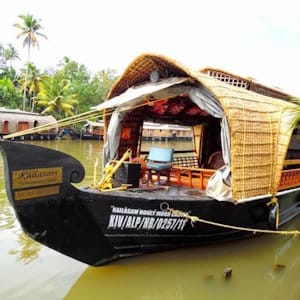
Periyar Wildlife Sanctuary (Kerala)
Eco-trekking, bamboo rafting, and see elephants in the wild.
Kanha and Bandhavgarh National Parks, and Madhya Pradesh
Tiger spotting with guides, community lodges, and tribal villages.
Sundarbans Mangroves, West Bengal
UNESCO mangrove area, Bengal tigers, crocodiles, and sustainable boat safaris.
Kaziranga National Park, Assam
Unique opportunity to see rhinos, elephants and water buffalos.
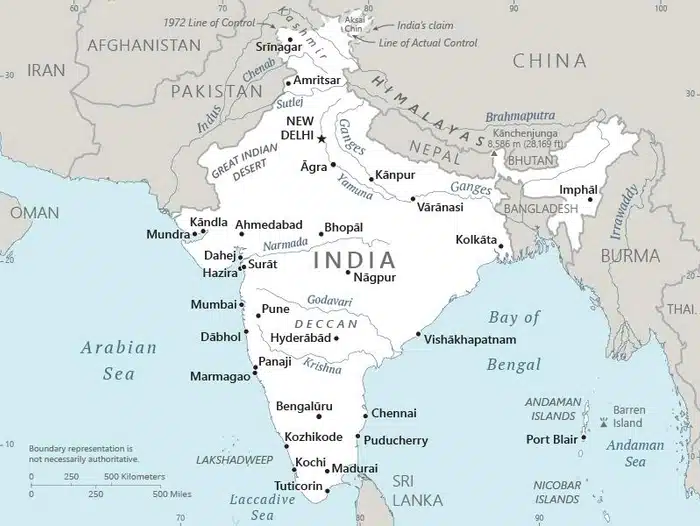 India Map
Sikkim
This state went 100% organic in 2016. Eco-friendly homestays, orchids, and Himalayan trails.
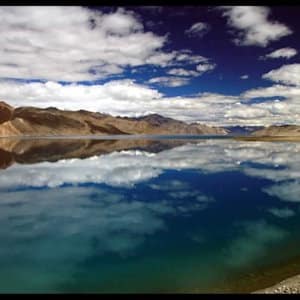
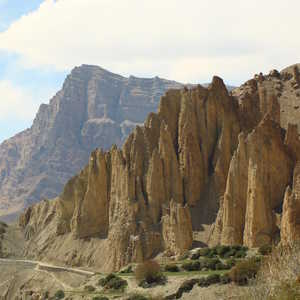
Spiti Valley, located in the northern Indian state of Himachal Pradesh.
Snow leopards, yaks, Buddhist monasteries, and community homestays.
Coorg (Karnataka)
Coffee plantations, forests, homestays, and eco agricultural projects.
Jim Corbett National Park (Uttarakhand)
Oldest national park in India.
Suggestions for a 2 week Sustainable Itinerary in India
This country is so diverse that you can make a memorable trip in two weeks. Ecotourism projects span jungles, mountain regions, temples, and rural areas. Local communities play a central role in their development. They benefit economically while preserving their culture and heritage. You will start in the southeast of the country. The second week you will discover the northeast part of India.
Week 1
Day 1-3: Kochi and Periyar, both destinations within the Indian state of Kerala
• Fly into Cochin International airport.
• Explore the historic port city of Kochi (fort, fishing nets, and shopping).
• Travel to Periyar (by train and taxi).
• Stay in one of the Indian eco lodges in Thekkady.
• Activities: jungle walks, boat tours, and visit a community project.
Day 4-6: Thenmala and Varkala
• Travel by bus or taxi to Thenmala.
• Enjoy the adventure zone, canopy walk, and local crafts.
• Continue to Varkala for some beach time and relaxation.
Week 2
Day 7-9: Sikkim (via flight to Bagdogra at the other side of the country)
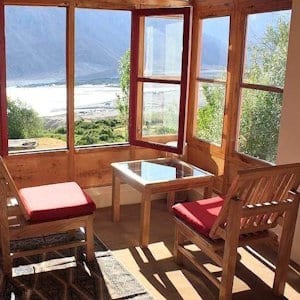
• Eco-homestays in villages like Yuksom or Dzongu.
• Hikes in the Himalayas, visit monasteries, and taste local organic cuisine.
• Community-based experiences (e.g. organic farms). Bagdogra is the nearest airport to Sikkim.
Day 10-12: Kaziranga National Park, Assam
• Travel to Kaziranga via flight/train to Guwahati.
• Jeep safari.
• Stay in an India eco lodge or community cottage.
Day 13-14: Return to Delhi or Kolkata (depending on your departure point)
• Sustainable shopping (crafts, textiles).
• Optional: visit Sunda
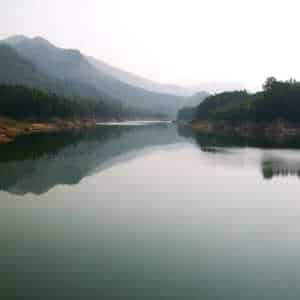
 Periyar Munnar Kerala
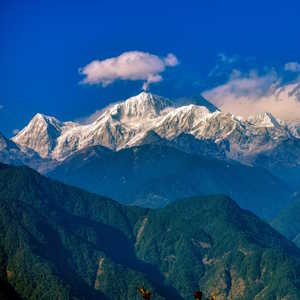
- Hymalaya Sikkim
- Spiti valley Himachal Pradesh
Flora and Fauna in India
According to the list of Conservation International, India is one of the 17 Megadiverse countries with the richest biodiversity in the world.
Flora – What Grows In India ?
- Tropical Rainforests, in the Western Ghats, Andaman and Nicobar Islands, parts of Northeast India – Teak, Rosewood, Sal, Banyan tree– India’s national tree, Areca palm, and Cane bamboo.
- Deciduous Forests, in Central India, lower Himalayas, and parts of South India – Sal, Teak, Indian ebony, Flame of the forest, Indian mahogany.
- Grasslands and Savannas, you find them in the Deccan Plateau, the Terai region, and in Western India – Kans grass, Vetiver, Palmyra palm, and Babool.
- Coastal and Mangrove Areas, in the Sundarbans, Odisha coast, Goa, and Kerala backwaters – Sundari tree, Mangrove date palm, Portia tree, Sea hibiscus, and Casuarina.
- Alpine and Sub-Alpine Regions, in the Himalayan highlands, Ladakh, and Sikkim – Himalayan blue poppy, Rhododendron – national flower of Nepal, Juniper, and Himalayan birch.
- Desert and Semi-Arid Regions, in Rajasthan, Kutch, and parts of Deccan – Khejri tree, Cacti, Indian aloe, Desert teak, Salvadora.
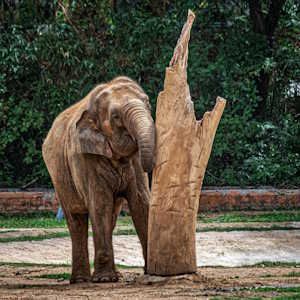 Elephant
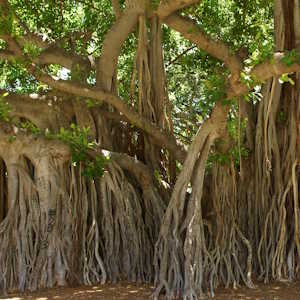 Debrajean Banyan tree
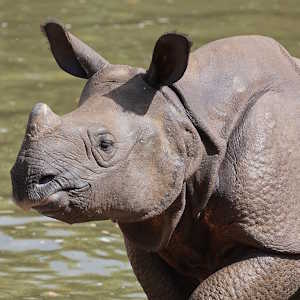 Rhinoceros
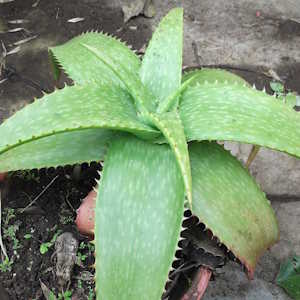 Indian Aloe
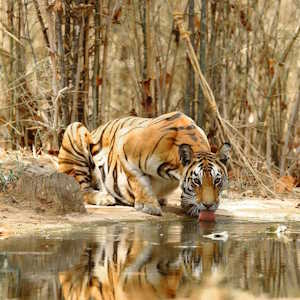 Tiger
Tiger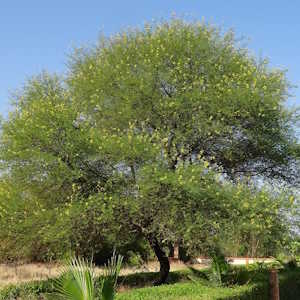 Sarangib Babul
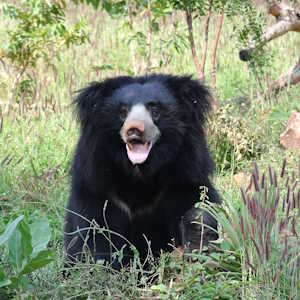 Sloth Bear
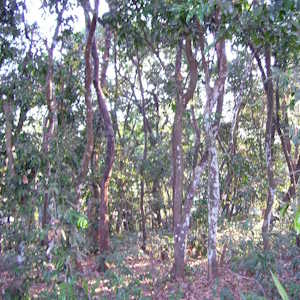 Ebony Tree Forest
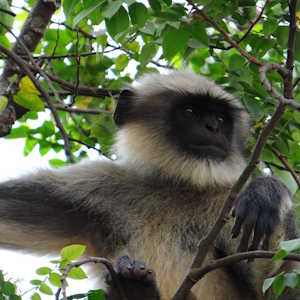 Sarangib Monkey
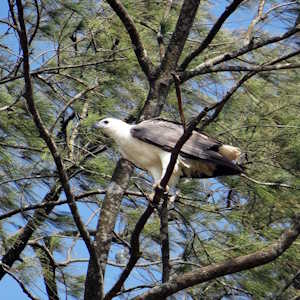 White Bellied Eagle
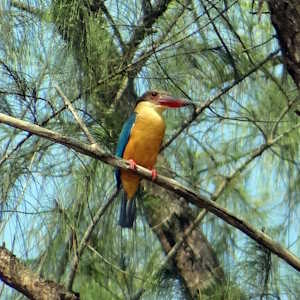 Stork Billed Kingfisher
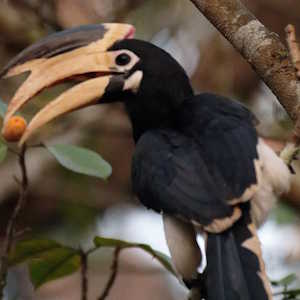 Malabar Pied Hornbill
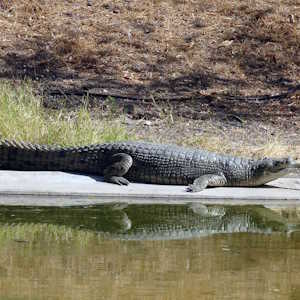 Gharial
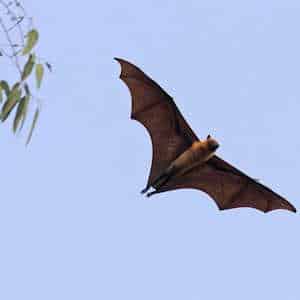 Flying fox
Fauna – What Animals Can You See In India?
- Bengal tiger – National animal, protected in Tiger Reserves (such as Bandhavgarh, Kanha, Ranthambore).
- Asian elephant – Can be seen in Kerala, Assam and Karnataka.
- Indian rhinoceros – Kaziranga National Park in Assam.
- Sloth bear, also known as the Indian bear, leopard, snow leopard, wild dogs (dhole).
- More than1300 species of birds, including hornbills and flamingos.
Small-Scale Nature Conservation Projects
The Sikkim Organic Mission
• Sikkim is a 100% organic state – no pesticides or fertilizers are used.
• Small-scale farms, eco-agrotourism, and nature education.
Snow Leopard Conservancy India Trust
• Location: Ladakh and Spiti.
• Promotes coexistence between locals and snow leopards, one of the most endangered cats in the world!
• Community homestays, nature education, and low-impact photo tours.
Agumbe Rainforest Research Station
• Location: Karnataka
• Research on reptiles and amphibians in the Western Ghats.
• Small-scale eco-volunteers and education programs. They seek volunteers.
Help Tourism
•Stands for: Heritage, Environment, Livelihood, and People.
• Location: Northeast India
• NGO that sets up community-based ecotourism in vulnerable regions such as the Sundarbans and Nagaland.
• Homestays, birdwatching tours, and cultural heritage conservation.
Environmental Challenges in India
- Climate change
Melting glaciers in the Himalayas, rising coastal sea levels, heat waves and crop failures. - Water pollution and water scarcity
Industrial discharge, pesticides, household waste in rivers such as the Ganges.
Irregular monsoons lead to both droughts and floods. - Air pollution
Unhealthy circumstances for the population due to burning fossil fuels, vehicular emissions, and industrial activities. - Deforestation and biodiversity loss
Due to agriculture, infrastructure, mining and urbanization. - Plastic Pollution and Waste Management
Particularly problematic in tourist areas and cities.
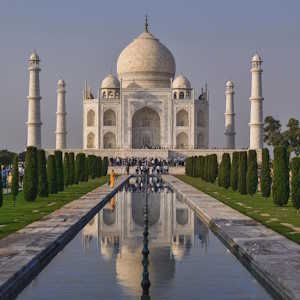
- Taj Mahal
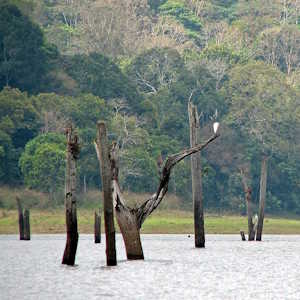
- Periyar National Park
India’s Policy on Ecotourism and Sustainability
India has recognized ecotourism as part of a sustainable tourism policy.
National Ecotourism Policy (in development)
Will focus on protecting natural resources, local participation and income generation through responsible tourism.
State initiatives
• Kerala and Sikkim are frontrunners: with ecotourism boards, community projects and strict environmental policies.
• Uttarakhand and Himachal Pradesh promote eco-friendly trekking and homestays.
National Mission for Green India
Program that restores forests and engages local communities in nature conservation.
Plastic Bans and Biodiversity Plans
Several states have banned single-use plastics, and national biodiversity inventories are underway.
Indian Eco Lodges and Travel Safety
Check in advance what the safety situation is in India and in the areas you plan to visit. You can consult your country’s official government website. The Canadian Government has an India Travel Advisory you can use.
IMAGE CREDITS > Periyar. Munnar, Kerala. Image by Sandeep Chukkala from Pixabay. > Periyar National Park, Kerala. Image by Bernard Gagnon. Wikimedia C. C. 3.0 > Hymalaya. Sikkim. Image by Labun Hang Limboo from Pixabay. > Asian Elephant. Image by confused_me from Pixabay. > Banyan tree. Image by DebraJean from Pixabay. > Indian rhinoceros. Image by Clément Bardot C.C. 4.0. > Indian aloe-rostte. Image by Yercaud-elango. Wikimedia C.C. 4.0. > Bengal Tiger. Image by Your DSLR from Pixabay. > Babul Tree (Acacia nilótica) Acacia. Image by Bishnu Sarangi from Pixabay. > Sloth bear. Image by Juda from Pixabay.
> Ebony Tree Forest at Krishnapura. Image by Rajaramraok en Wikipedia. Public domain. > Langur Monkey. Image by Bishnu Sarangi from Pixabay. > White bellied eagle in a Casuarina tree. Image by Bishnu Sarangi from Pixabay. > Stork-billed kingfisher. Image by Bishnu Sarangi from Pixabay. > Malabar Pied Hornbill. Dandeli Forest Reserve. Image by Drashokk. C.C. 4.0. > Crocodil Gharial (Gavialis gangeticus). Image by Bishnu Sarangi from Pixabay. > Indian flying fox (Pteropus giganteus giganteus). Image by Charles J. Sharp. Wikimedia C.C. 4.0. > Taj mahal. Image by Bitu Das from Pixabay. > Spiti valley. Himachal Pradesh. Image by Alex P Roy from Pixabay.
Leave a Reply
Want to join the discussion?Feel free to contribute!