
Chile Eco Lodges
Uncover the wild beauty of South America ecotourism with Chile Eco Lodges. Enjoy unforgettable eco-adventures across diverse landscapes. Chile stretches from the Atacama Desert to the icy peaks of Patagonia. This diversity attracts ecotourists from around the world. Hike through ancient forests. Explore dramatic coastlines and rugged mountains. Spot rare wildlife in protected natural areas. Stay in sustainable lodges that protect nature. Many lodges also support local communities. Nature lovers and adventure seekers both find something special here. The National animal of Chile is the Huemul/South Andean deer, shown in the banner. Discover all its extraordinary natural wonders!
Chile Eco Lodges And Resorts
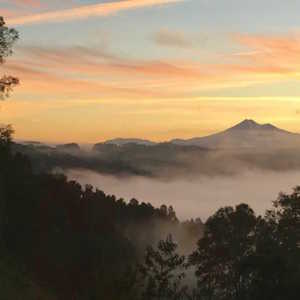 Volcano Llaima
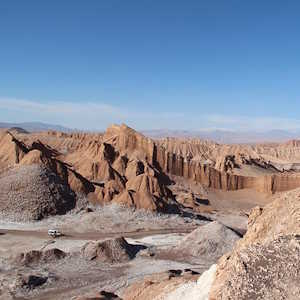 Atacama Desert

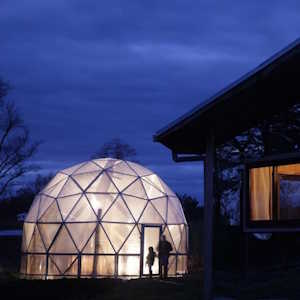
Chile Ecotourism
Chile’s geography is extremely diverse. The country stretches from the Atacama Desert to the glaciers of Patagonia. This diversity creates many opportunities for sustainable travel while staying at Chile Eco Lodges. Visitors can enjoy a wide range of nature experiences. Chile has wild rivers and dramatic landscapes. Thousands of miles of Pacific coastline offer spectacular views. The country also contains unique desert ecosystems. These environments support remarkable biodiversity.
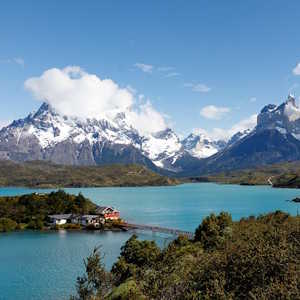
Torres del Paine National Park is one of the most famous parks. It lies in the Patagonia region. Another important reserve is Los Flamencos National Reserve. Islotes de Puñihuil National Monument is also worth visiting. This monument protects two penguin species found in Chile. It is an important coastal wildlife habitat.Visitors can choose from many Chile Eco Lodges. Travelers can also visit indigenous communities.
The Best EcoTourism Destinations in Chile
Patagonia (Torres del Paine & Carretera Austral)
This is one of the most beautiful natural areas in the world. You will see towering mountains, glaciers and turquoise lakes. Patagonia has a well-developed ecotourism infrastructure with Chile Eco Lodges and trekking routes.
Some highlights:
• Trekking on the famous W-Trek or O-Trek.
• Kayaking among the fjords and glaciers.
• Spot pumas with nature guides.
• Stay at Chile Eco Lodges.
Best travel time: November – March (summer, best weather for hiking).
Atacama Desert (San Pedro de Atacama)
This is the driest desert in the world. Visit Salt flats, hot spring, volcanoes, geysers and flamingo-rich lagoons without disturbing the ecosystem. Atacama is one of the best places in the world for stargazing.
Some highlights:
• Visit Valle de la Luna and Valle de la Muerte on a sustainable tour.
• Astronomy eco-tours without light pollution.
• Stay at Chile Eco Lodges.
Best travel time: March – November (milder temperatures and fewer crowds).
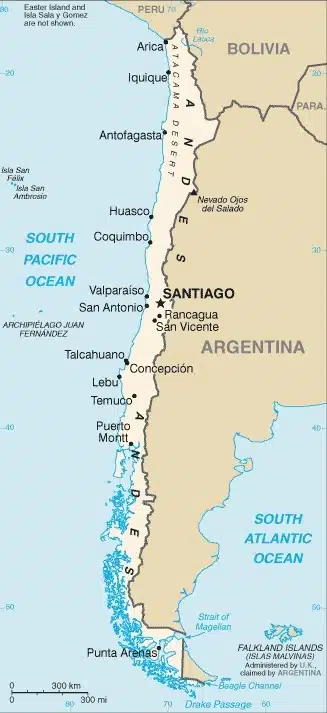 Chile Map
Chiloé Islands
These islands offer a unique mix of nature, culture and mythology. Dense rainforests and coastlines with many sea lions and penguins. The local communities maintain ancient traditions and sustainable fishing.
Some highlights:
• Hikes in Chiloé National Park to spot pygmy blue whales, humpbacks, and finbacks.
• Visit traditional wooden churches (UNESCO World Heritage Sites).
• Spot Magellanic and Humboldt penguins at Puñihuil.
Best time to visit: December – March (drier and warmer).
Rapa Nui (Easter Island)
Rapa Nui is world famous for its mysterious Moai statues. Limited tourism is allowed to protect the fragile ecosystem and heritage site.
Some highlights:
• Visit Rapa Nui National Park with local guides.
• Sustainable snorkeling and diving in the clear waters.
• Bike or walk instead of motorized transport.
• Respect the cultural traditions of the Rapa Nui community.
• Stay at Chile Eco Resorts.
Best time to visit: September – April (less rain, milder temperatures).
Carretera Austral (Aysén and Queulat National Park)
This is one of the most remote and pristine areas of Chile. You will find mountains, glaciers, rainforests and fjords. Perfect for adventurous travelers who want to get away from the crowds.
Some highlights:
• Visit the spectacular Hanging Glacier (Ventisquero Colgante).
• Hike through temperate rainforests in Pumalín Park.
• Kayak through the fjords and lagoons.
• Stay at Chile Eco Hotels.
Best time to travel: December – March (summer, best roads and access).
Suggestions for a 2 week Sustainable Itinerary in Chile
Here is a 2-week sustainable itinerary in Chile that will take you to some of the most beautiful eco-tourism destinations! This itinerary focuses on conservation, ecotourism, and minimal impact on the environment.
Week 1
- Day 1-3: Santiago and Cajón del Maipo
Arrive in Santiago by air. Take an eco-friendly transfer (e.g. electric public transport) to your sustainable accommodation.
Visit Cerro San Cristóbal by bike or on foot for panoramic views of the city.
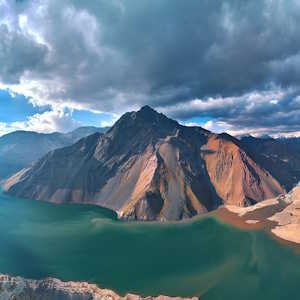
Take a day trip to Cajón del Maipo, a beautiful valley with rivers and thermal baths. Choose a local eco-guide.
Sustainable transportation: Take a bus or shared shuttle to your next destination. - Day 4-6: Chiloé Islands
Take a flight to Castro (Chiloé). Distances are so great that it makes sense to fly. It is famous for its magical forests, penguin colonies, and palafitos (stilt houses).
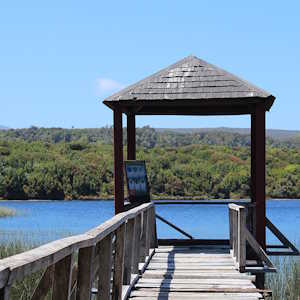
Visit Chiloé National Park, with its ancient forests and pristine beaches.
Join a responsible whale or dolphin watching tour that doesn’t disturb the animals.
Learn about local traditions and eat fresh seafood in an eco-friendly restaurant.
Stay at a Chile Sustainable Lodge.
Sustainable transportation: take a local ferry to the mainland and continue your journey by bus.
Week 2
- Day 7-9: Pumalín Douglas Tompkins National Park
Take a Bus to Pumalín Park (Patagonia). This is one of the largest private nature reserves in the world. Founded by the founder of The North Face (outdoor clothing and gear).
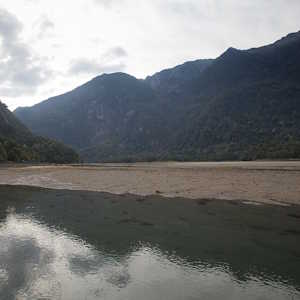
Hike past volcanoes, waterfalls and dense forests.
Visit local communities that promote sustainable agriculture and ecotourism.
Stay at Chile Eco Lodges.
Sustainable transport: take an overnight bus or boat to your next destination. - Day 10-12: Torres del Paine National Park
Travel by bus to Puerto Natales and Torres del Paine. This is a UNESCO Biosphere Reserve and one of the most beautiful national parks in the world!
Choose a multi-day trek such as the famous W-trek (sustainable overnight stays in eco-campsites).
Spot guanacos, condors and maybe even a puma!
Eat in sustainable refuges and drink filtered water from the streams.
Stay at Chile Eco Hotels.
Sustainable transport: take a shared shuttle or bus to Punta Arenas. - Day 13-14: Punta Arenas
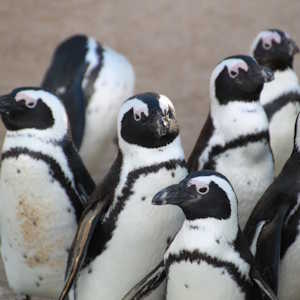
Take a day trip to Isla Magdalena. This island is home to thousands of Magellanic penguins and therefore it is strictly protected.
Go on an eco-certified tour to minimize the impact on the penguins.
Explore the historic town of Punta Arenas and taste local Patagonian cuisine.
Take a Flight back to Santiago to go home.
 Magellanic penguins
- Cajón del Maipo
- Parque Nacional Chiloé
- Parque Pumalín
Flora and Fauna
Chile has incredibly diverse flora and fauna thanks to its unique geographic location; each ecosystem is home to special plants and animals, many of which are endemic.
Flora – From Desert to Rainforest – What Grows in Chile?
Atacama Desert (North)
• Driest desert in the world, but still surprisingly rich in life.
• Llareta: a mossy plant that can live for hundreds of years.
• Tamarugo trees survive on minimum water quantity. In the rare case of rain, it creates the “Desierto Florido,” a spectacular flowering desert!
Central region (central Chile)
• Valdivian temperate rainforest: one of the oldest ecosystems in the world.
• Araucaria tree (Monkey Puzzle Tree): lives for thousands of years and is a national symbol.
• Vineyards: the unique climate of Chile makes it a perfect place for the famous Chilean wines!
Patagonia (South)
• Lenga beech and Coihue trees: resistance to extreme cold and wind.
• Torres del Paine National Park: glacial valleys filled with wildflowers such as the Notro (fire flower).
• Peat and peatlands: essential for holding CO2 and water.
Chiloé Islands and Rapa Nui (Easter Island)
• Chiloé’s Magellan rainforest: moss-covered trees and bamboo-like plants.
• Easter Island’s Toromiro tree: sadly, extinct in the wild, but is being restored through reforestation.
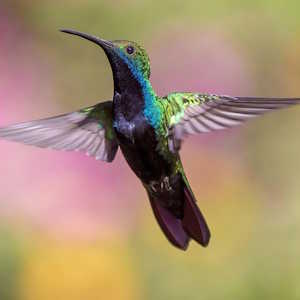 Hummingbird
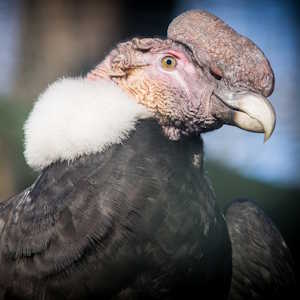 Andean Condor
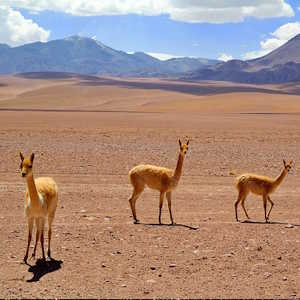 Vicuña
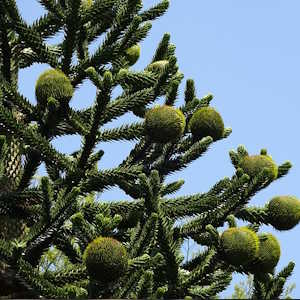 Monkey Puzzle Tree.
 Seal
Seal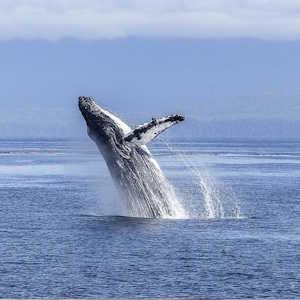 Humpback Whale
Fauna – From Penguins to Pumas – What Animal Can You Spot in Chile?
Desert and Northern Chile
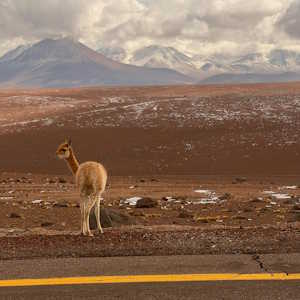
• Vicuña and Guanaco: wild cousins of the alpaca living in the Andes.
• Vizcacha: an adorable rodent that resembles a rabbit with a long tail.
• Andean condor: one of the largest flying birds in the world with a wingspan of up to 3 meters or almost 10 feet!
Central Chile and Andes Mountains
• Huemul: a rare and endangered deer, national symbol of Chile.
• Chinchilla: a gentle, wild rodent that lives in mountainous areas.
• Colibrí (Hummingbirds): many species, including the rare Chilean forest hummingbird.
Patagonia and Tierra del Fuego
• Puma (Chilean Puma): the king of the Patagonian wilderness.
• Giant Anteater: occurs in southern Chile and feeds on termites.
• Magellanic and Humboldt penguins: found on islands along the coast.
Marine Fauna
• Blue whale and humpback whale: often spotted off Chiloé and along the Patagonian fjords.
• Dolphins: such as the Peale’s dolphin and Chile’s black and white dolphin (Tonina).
• Seals and catfish: large colonies all along the Chilean coast.
Examples of Small-Scale Conservation Projects in Chile
Futangue Park
Located in the Los Ríos region, this family-run nature reserve covers more than 13,500 hectares (or 33,359 acres). The park opened its doors to tourists a few years ago.
It offers controlled access so as to minimize environmental impact. Visitors can enjoy approximately 100 km (over 62 miles) of hiking trails through native forests and mountains.
Sustainable Forestry Initiatives Projects
These projects promote sustainable forestry practices. They are being implemented in regions such as Maule, Ñuble, Biobío, La Araucanía, Los Ríos and Los Lagos.
These initiatives focus on reducing forest fires, droughts and desertification. They include models for sharing benefits with local communities.
Native Forest Restoration Small-scale projects
The aim is to restore native forests that have been converted to agricultural lands or exotic tree plantations in the past. These projects focus on combating soil degradation and conserving biodiversity.
They illustrate the commitment of local communities and organizations to address Chile’s ecological challenges. These projects conserve the country’s rich biodiversity.
Fundación Legado de Chile
Based in the Llanquihue province, they focus on restoring strategic urban wetlands and local ecosystems. They offer structured volunteer programs for nature restoration and environmental education.
They help reconnect communities with their natural heritage through hands-on conservation work.
Environmental Challenges in Chile
Chile is a country with a rich biodiversity, but it is threatened by several ecological challenges.
- Habitat loss and fragmentation. Activities such as mining, agriculture and fishing lead to the destruction and fragmentation of natural habitats. This threatens many plant and animal species.
- Overexploitation of natural resources. Intensive exploitation of resources such as timber, fish and wildlife has led to depletion of populations and disruption of ecosystems.
- Invasive species. The introduction of non-native species can displace native flora and fauna. This leads to a disruption of the ecological balance. Some well-known invasive species in Chile include the American beaver, rabbit, and wild boar. As well as Invasive plants like blackberry and ulex. Other notable non-native species include the red deer, American mink, and various insects.
- Pollution. Water and air pollution, often caused by industrial activities. These have harmful effects on both terrestrial and aquatic ecosystems.
- Climate change. Changes in temperature and precipitation patterns affect habitats. This can lead to the extinction of sensitive species.
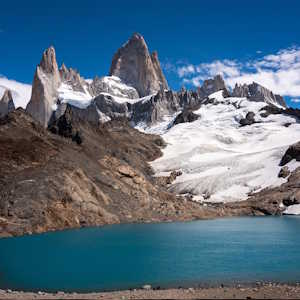
- Fitzroy national park
- Chile Atacama Desert
- Torres del Paine
Chiles policy on ecotourism
The government is involved in conservation. NGO’s, grass roots community members, and other groups are also involved in conservation. Environmental conservation efforts are building momentum in Chile. A strong commitment to sustainability and ecotourism is evident in several policies and initiatives:
Renewable Energy and Sustainability. Chile is a leader in Latin America in renewable energy. The country’s geographical diversity, such as the sun-drenched Atacama Desert, provides ideal conditions for solar energy projects. The government aims to generate 70% of its electricity from renewable sources by 2050. This is set out in the National Energy Policy 2050. This policy supports sustainable tourism infrastructure by promoting green energy sources.
Protection of Biodiversity and Natural Areas. Chile has an extensive network of national parks and reserves that protect diverse ecosystems. Collaborations between the government and NGO’s have led to the creation of large, protected areas. This includes Patagonia Park. These efforts promote sustainable ecotourism. They also contribute to the conservation of the country’s natural resources.
Climate Change Policy and Legislation. With the Climate Change Framework Law, Chile has created a legal framework aimed at achieving carbon neutrality by 2050. This includes measures to reduce greenhouse gas emissions and promote a low-carbon economy. This legislation supports sustainable tourism practices by encouraging environmentally friendly initiatives.
Promotion of Ecotourism. The Chilean government recognizes ecotourism’s potential. It supports sustainable development and environmental conservation. Authorities invest in tourism infrastructure. They also promote environmentally friendly accommodations. Local communities are involved in tourism development. This strengthens both conservation and local economies. These efforts support economic growth. They also protect the country’s natural environment.
Greenhouse Gas Management Initiatives. The Huella Chile program was launched by the Ministry of the Environment. It promotes climate responsibility. The program encourages organizations to measure greenhouse gas emissions. It also promotes emission reduction strategies. Both public and private organizations participate in this initiative. The program supports national sustainability goals.
Huella Chile also benefits ecotourism businesses. It helps them reduce their environmental footprint. Through these initiatives, the government shows commitment to sustainability. Ecotourism remains an important national priority. These policies benefit both the environment and the economy.
Chile Ecolodges and Travel Safety
It is highly recommended that you research the safety situation in the country you want to visit. Be careful with information you find online. Not everything you read on social media channels is true. You can also consult your country’s official government website. For American citizens, this is the Chile page on the US Dept. of State.
IMAGE CREDITS > Alley of the moon, San pedro de Atacama. Image by paula alvarado from Pixabay > Embalse El Yeso, Cajón del Maipo. Image by Deensel. Wikimedia C C Attribution 2.0. > Parque Nacional Chiloé, Región de Los Lagos, Chile. Image by Natalia Reyes Escobar. Wikimedia CC Attribution 4.0 > Parque Pumalin fjords. Image by Almonroth. Wikimedia CC Attribution 3.0. > Magellanic penguins. Image by Anja from Pixabay.
> Seal. Image by Alicia_Chant from Pixabay. > Andean Condor. Image by Christian from Pixabay. > Vicuña, Chile. Image by Julian Hacker from Pixabay. > Monkey Puzzle Tree. Image by Ralf Michel from Pixabay. > Humpback Whale. Image by Brigitte Werner from Pixabay. > Colibri, hummingird. Image by Pexels from Pixabay. > Torres del Paine. Image by jmarti20 from Pixabay. > Chile, Fitzroy national park. Image by Richard from Pixabay. Chile Atacama Desert with animal. Image by Mateusz Walendzik from pexels.
Leave a Reply
Want to join the discussion?Feel free to contribute!